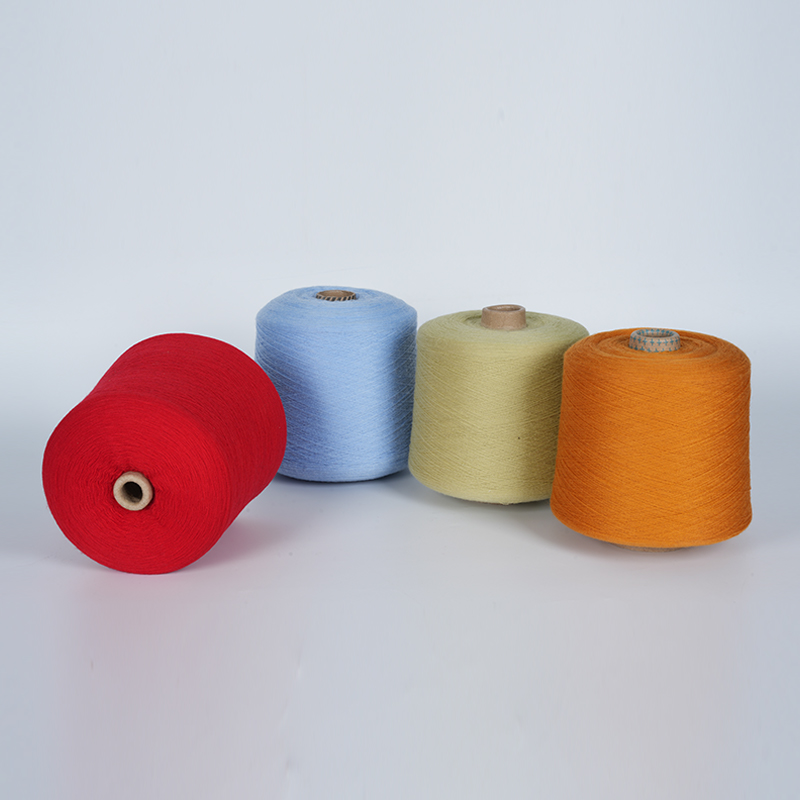
Is There 100% Wool Yarn? Types, Benefits & Care Guide
Content
Yes, 100% wool yarn is widely available and remains a staple in the knitting and weaving industries. It is produced from the fleece of sheep, such as Merino, Shetland, or Rambouillet, without any synthetic additives like acrylic or nylon. This purity ensures superior breathability, natural elasticity, and biodegradability, making it a preferred choice for high-quality garments.
However, consumers often encounter confusion due to marketing terms like "wool blend" or "lambswool." While 100% wool offers exceptional thermal regulation—keeping you warm in winter and cool in summer—it requires specific care to prevent shrinking or felting. Understanding the difference between pure wool and blended alternatives is crucial for selecting the right yarn for your project.
Not all 100% wool is created equal. The breed of sheep, the diameter of the fiber (measured in microns), and the processing method significantly impact the yarn's softness, durability, and price point.
Merino is the most popular type of 100% wool for next-to-skin garments. With a fiber diameter of 17-24 microns, it is exceptionally soft and non-itchy. It is ideal for baby clothes, base layers, and lightweight sweaters. Merino wool also has natural odor-resistant properties, allowing it to be worn multiple times between washes.
These wools are coarser, typically ranging from 25-35 microns. They are incredibly durable and retain their shape well, making them perfect for outerwear, rugs, and heavy cables. While they may feel slightly scratchy initially, they soften with wear and washing. Shetland wool is renowned for its rich, natural color variations.
Standard 100% wool will felt if agitated in hot water. Superwash wool undergoes a chemical or plasma treatment that smooths the fiber scales, allowing it to be machine washable without shrinking. While convenient, this process can slightly reduce the fiber's natural elasticity and breathability compared to untreated wool.
Manufacturers often blend wool with other fibers to enhance performance or reduce cost. Understanding these blends helps clarify why 100% wool might not always be the best choice for every application.
| Yarn Type | Composition | Best Use Case | Durability |
|---|---|---|---|
| 100% Wool | Pure Sheep Fleece | Sweaters, Scarves, Hats | Moderate (prone to pilling) |
| Wool/Acrylic Blend | 50% Wool, 50% Acrylic | Budget Garments, Kids' Wear | High (resists wear) |
| Wool/Nylon Blend | 75% Wool, 25% Nylon | Socks, Heels, Toes | Very High (abrasion resistant) |
| Wool/Silk Blend | 80% Wool, 20% Silk | Luxury Shawls, Lace | Low (delicate) |
For example, 100% wool socks are rarely recommended because pure wool lacks the abrasion resistance needed for heels and toes. A blend with 15-25% nylon is standard for durability. Conversely, for a warm winter sweater, 100% wool provides better insulation and moisture management than a 50/50 blend.
With the prevalence of synthetic imitations, verifying the authenticity of wool is essential. Several reliable methods can help distinguish pure wool from acrylic or polyester blends.
In many regions, including the US and EU, labeling laws are strict. Look for the Woolmark Logo, an independent certification that guarantees the product contains new wool and meets quality standards. Labels must explicitly state "100% Wool" or "Pure Wool." Terms like "Wool Feel" or "Wool Type" usually indicate synthetic fibers.
If you have a small swatch, the burn test is definitive. 100% wool will smell like burning hair and turn into a brittle, black ash that crumbles easily. In contrast, acrylic melts into a hard, plastic-like bead and smells like chemicals or sweet syrup. Always perform this test safely in a well-ventilated area.
Pure wool has natural crimp, giving it excellent elasticity. If you stretch a strand of yarn, it should snap back to its original length. Acrylic tends to remain stretched or feel slippery. Additionally, wool feels warm to the touch immediately, whereas synthetics often feel cooler or plasticky.
Owning 100% wool items requires a shift in laundry habits. Improper care is the leading cause of damage, specifically felting, where fibers lock together irreversibly.
By following these guidelines, 100% wool garments can last for decades, often improving in softness and character over time. This longevity makes pure wool a sustainable investment compared to fast-fashion synthetics that degrade after a few seasons.
 Contact Us
 Products
 Send An E-mail
No. 189 Pengfei Road, Industrial Park, Tudian Town, Tongxiang City, Zhejiang Province, China
 Mobile


 English
 Français
 Español
 عربى
عربى