Premium Wool Yarn: A Guide to Quality, Types & Care
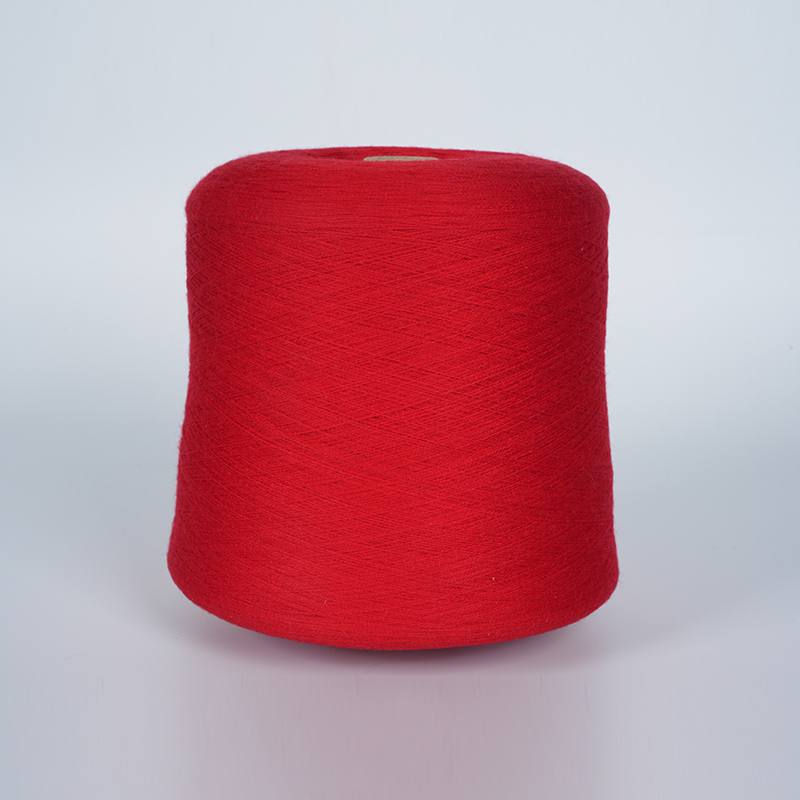
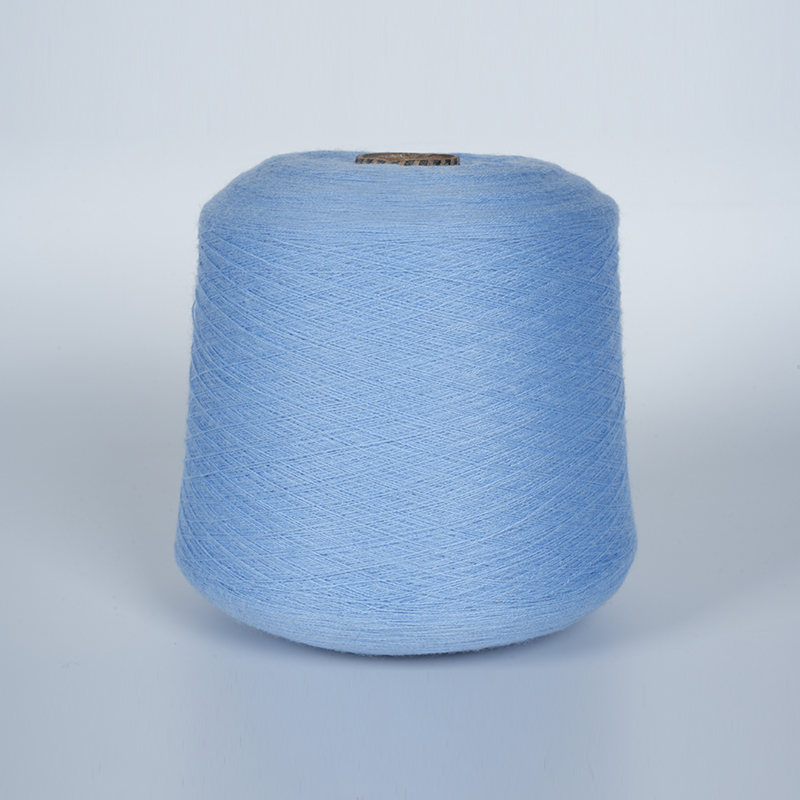
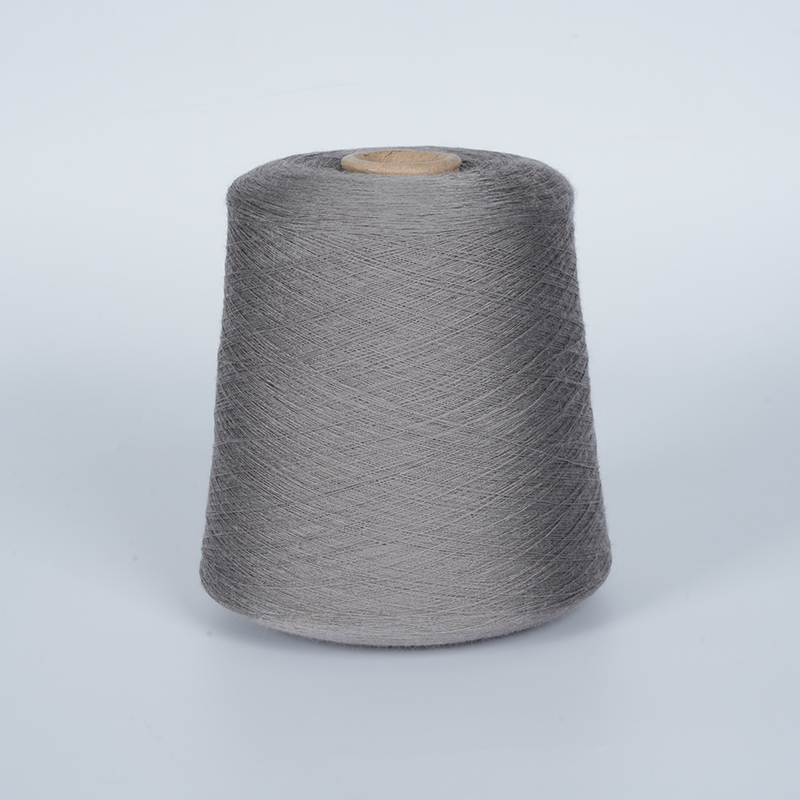
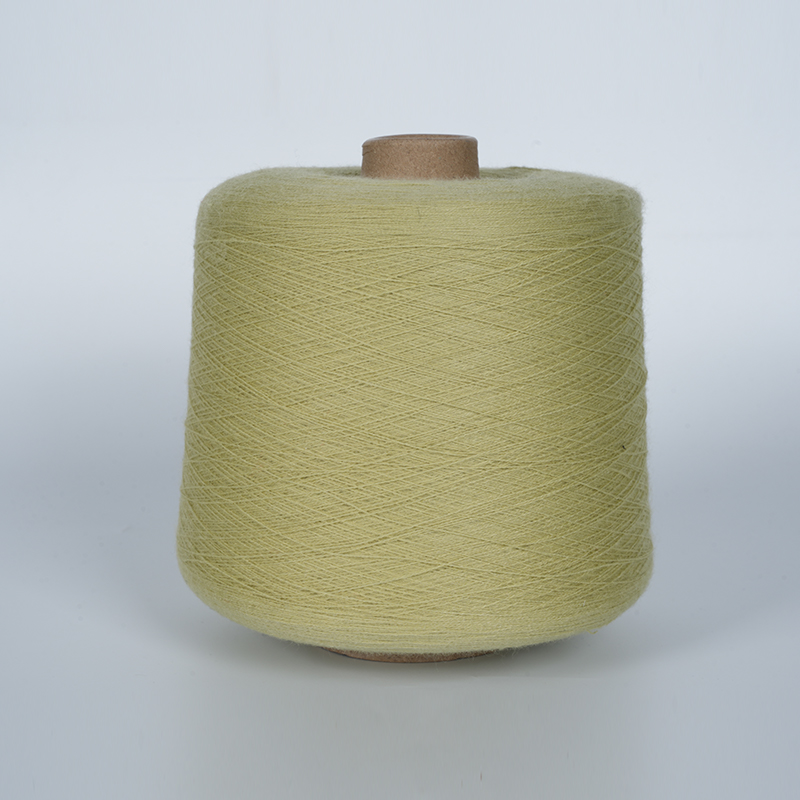
Investing in premium wool yarn transforms knitting and crocheting from a simple hobby into a craft of heirloom quality. The defining characteristic of superior wool is its fiber diameter, measured in microns; the lower the micron count, the softer and less itchy the fabric. High-grade wools, such as Merino or Cashmere blends, typically range between 15 and 24 microns, offering exceptional warmth without the bulk or irritation associated with coarser fibers. Choosing the right yarn ensures that your finished garments are not only comfortable against the skin but also durable enough to retain their shape and texture after years of wear.
Content
The tactile experience of wool is dictated by the thickness of individual fibers. Understanding micron counts helps knitters predict the softness and potential itchiness of a project before purchasing.
A micron is one-millionth of a meter. Standard wool can exceed 30 microns, often causing pricking sensations on sensitive skin. In contrast, Ultra-Fine Merino sits below 17.5 microns, making it comparable in softness to cashmere. When selecting yarn for baby items or base layers, always look for labels specifying a micron count under 20.
Beyond softness, the length of the wool staple determines durability. Long-staple wools, such as those from Bluefaced Leicester sheep, produce smooth, lustrous yarns that resist pilling. Short-staple wools create loftier, warmer fabrics but may require more careful handling to prevent felting or fiber breakage during washing.
Not all premium wools behave the same way. Each breed offers unique properties regarding warmth, drape, and elasticity, influencing the final outcome of your project.
| Wool Type | Average Micron | Best Use Case |
|---|---|---|
| Merino | 15-24 | Garments next to skin, baby clothes |
| Alpaca | 20-30 | Warm coats, blankets (low elasticity) |
| Cashmere | 14-19 | Luxury scarves, lightweight sweaters |
| Shetland | 23-33 | Traditional Fair Isle, outerwear |
While Merino is prized for its elasticity and softness, Alpaca offers superior warmth due to its hollow fiber structure but lacks memory, meaning garments may stretch out over time. Blending these fibers can often provide the best of both worlds.
Premium wool requires specific care to maintain its integrity. Improper washing is the leading cause of shrinkage and felting in wool garments.
Always hand wash premium wool in cold water using a pH-neutral detergent designed for delicates. Avoid agitation, which causes scales on the wool fiber to lock together, resulting in felting. Soak the garment for 10-15 minutes, then gently press out water without wringing. Roll the item in a clean towel to absorb excess moisture before laying it flat to dry.
Wool is susceptible to moth damage. Store clean, completely dry woolens in breathable cotton bags rather than plastic, which traps moisture and encourages mildew. Using natural deterrents like cedar blocks or lavender sachets is preferable to chemical mothballs, which can leave a lingering odor and potentially degrade delicate fibers over time.
With the market flooded with synthetic blends, knowing how to identify genuine premium wool is essential for getting value for money.
 Contact Us
 Products
 Send An E-mail
No. 189 Pengfei Road, Industrial Park, Tudian Town, Tongxiang City, Zhejiang Province, China
 Mobile


 English
 Français
 Español
 عربى
عربى