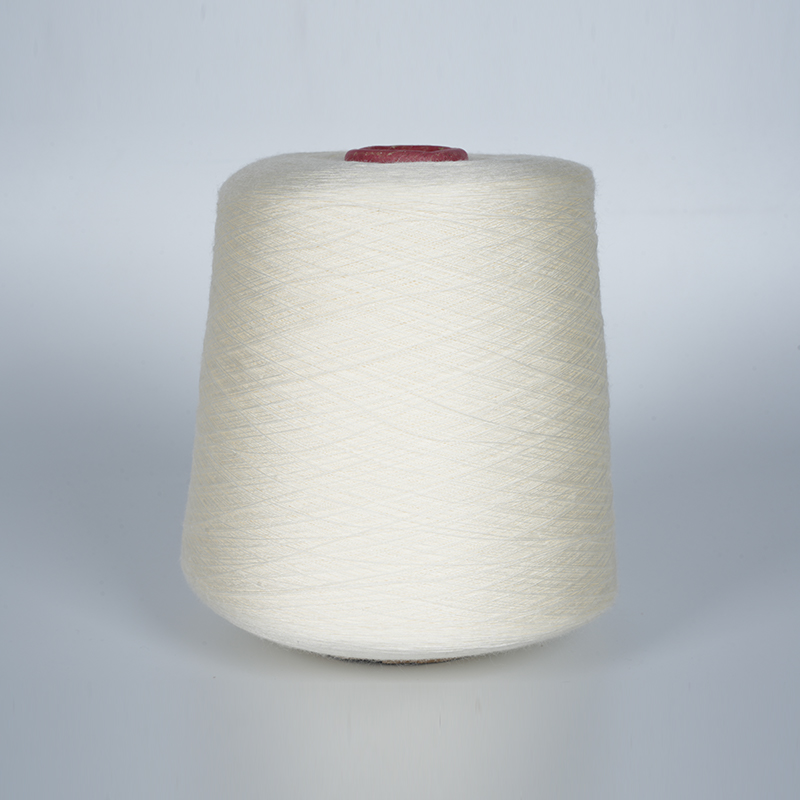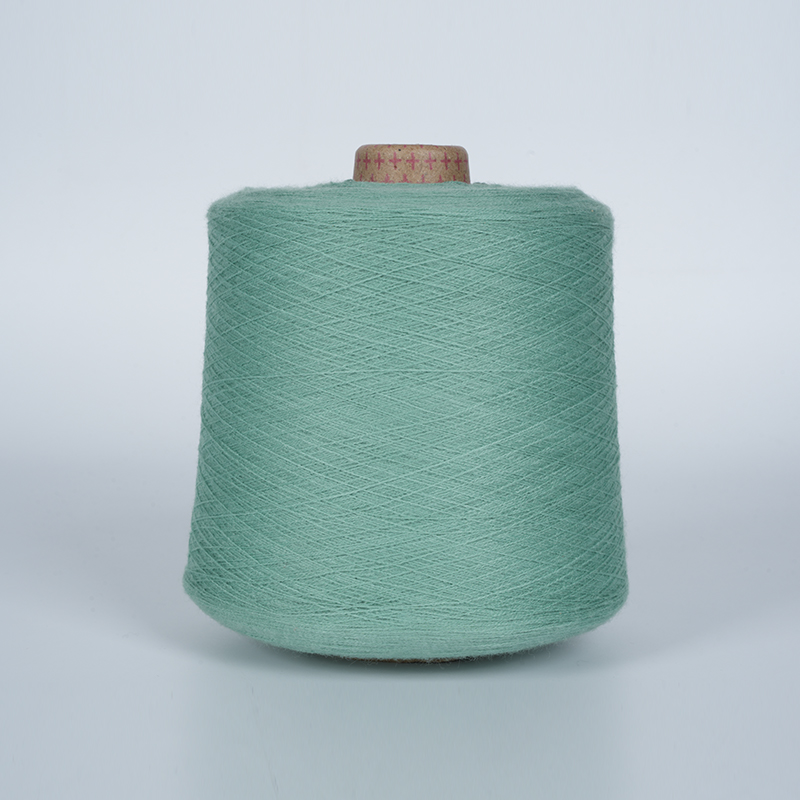
Premium Wool Yarn: Types, Care & Knitting Guide
Content
Unlike commodity wool, which may include coarse fibers or recycled content, premium yarns use only the finest micron-count fibers (typically ≤21 microns) from specific sheep breeds, ensuring next-to-skin comfort and minimal pilling. The difference is immediately apparent in hand feel, luster, and performance during blocking and wear.
Not all wool is equal. Premium yarns are typically made from one of several elite fiber types, each with distinct properties:
| Fiber Type | Avg. Micron | Softness | Best For |
|---|---|---|---|
| Merino | 17–21 | Very soft | Sweaters, babywear, shawls |
| Cashmere | 14–19 | Luxuriously soft | Lace wraps, luxury accessories |
| Bluefaced Leicester (BFL) | 24–28 | Silky with strength | Durable socks, textured stitches |
| Shetland | 28–33 | Lightly rustic | Traditional colorwork, outerwear |
Ultrafine Merino (≤18.5 microns) is often labeled “next-to-skin” and rivals cashmere in comfort, while BFL offers the rare combination of sheen, durability, and elasticity ideal for cables and brioche.
Truly premium wool prioritizes animal welfare and environmental stewardship. Look for certifications such as:
Brands like Brooklyn Tweed, Jamieson’s of Shetland, and Blacker Yarns publish full supply chain maps, allowing knitters to verify farm origins and processing methods.
Superwash wool is treated with chlorine or polymer resin to prevent felting, enabling machine washing—but at a cost. The process strips natural lanolin, reduces fiber diameter by up to 10%, and diminishes elasticity and stitch memory.
Non-superwash wool, while requiring hand-washing, offers superior bloom after blocking, better drape, and longer garment life. A 2024 study by the Textile Institute found that non-superwash Merino retained 92% of its tensile strength after 50 washes, versus 76% for superwash equivalents. For projects where structure and longevity matter—like tailored cardigans or lace shawls—non-superwash is strongly preferred.
Premium wool yarns are often plied (2–4 strands twisted together), which enhances strength, stitch definition, and resistance to abrasion. A tightly spun 3-ply sport weight will hold cable patterns crisply, while a loosely spun single-ply worsted creates a soft, haloed fabric ideal for garter stitch blankets.
High-twist yarns (e.g., “sock” or “cabled” constructions) resist pilling and are excellent for high-wear items. Low-twist “woolen-spun” yarns trap more air, offering superior insulation—perfect for winter accessories but less suited for dense stitch patterns.
To preserve your investment:
Properly cared-for premium wool can last decades; many vintage Fair Isle sweaters from the 1940s remain wearable today due to high-quality Shetland wool and gentle maintenance.
Match fiber and construction to function:
Always swatch and block—premium wool can grow 5–10% in length after wet-blocking, altering gauge significantly.
Innovation is enhancing sustainability without compromising quality. Regenerative agriculture initiatives are restoring soil health on wool farms, while closed-loop dyeing systems reduce water use by 90%. Some mills now offer “traceable batch” yarns—each skein linked to a specific flock and shearing date via QR code.
Premium wool yarn represents the convergence of tradition, ethics, and craftsmanship—a conscious choice for makers who value beauty, performance, and planetary responsibility in every stitch.

 Contact Us
 Products
 Send An E-mail
No. 189 Pengfei Road, Industrial Park, Tudian Town, Tongxiang City, Zhejiang Province, China
 Mobile


 English
 Français
 Español
 عربى
عربى