Refined Blend Yarn: Benefits, Types & Textile Applications
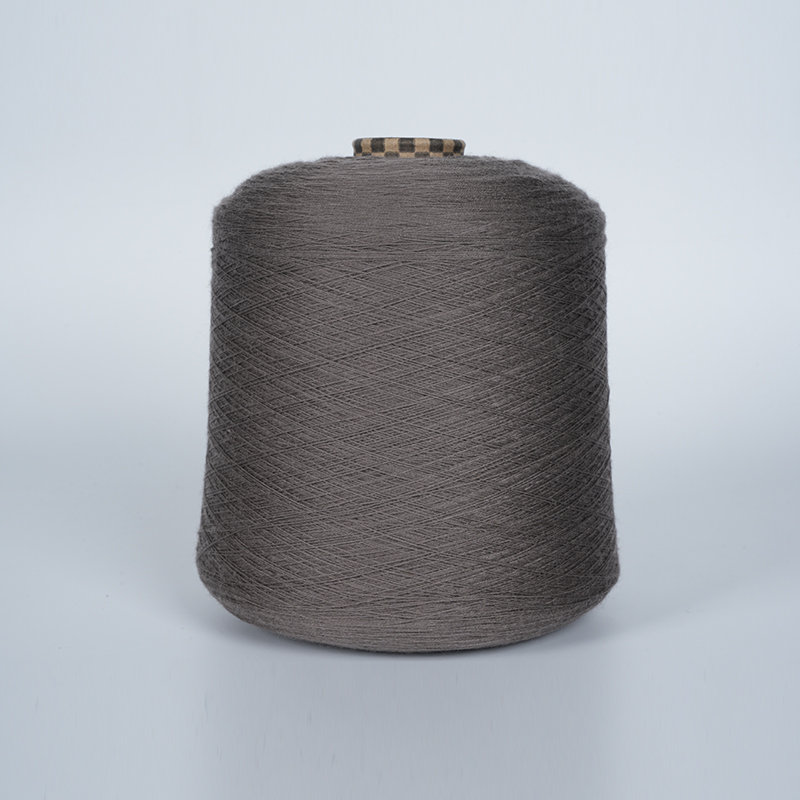
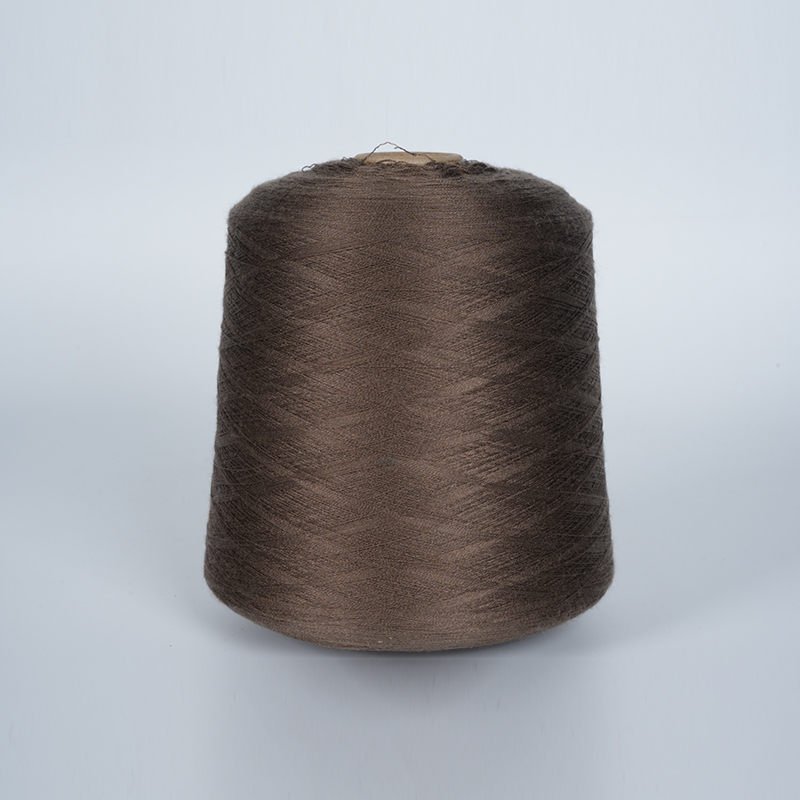
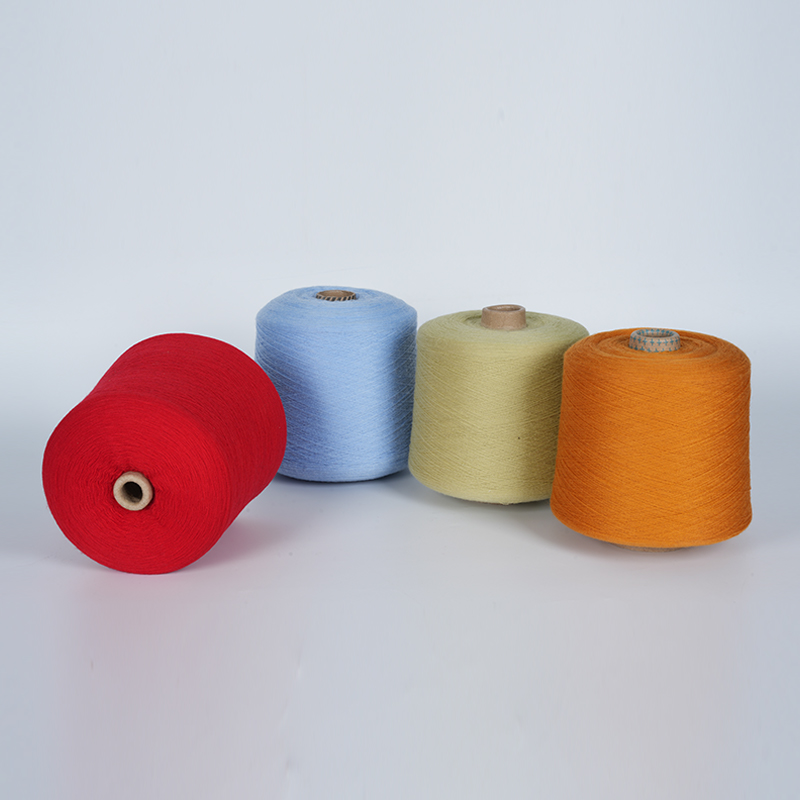
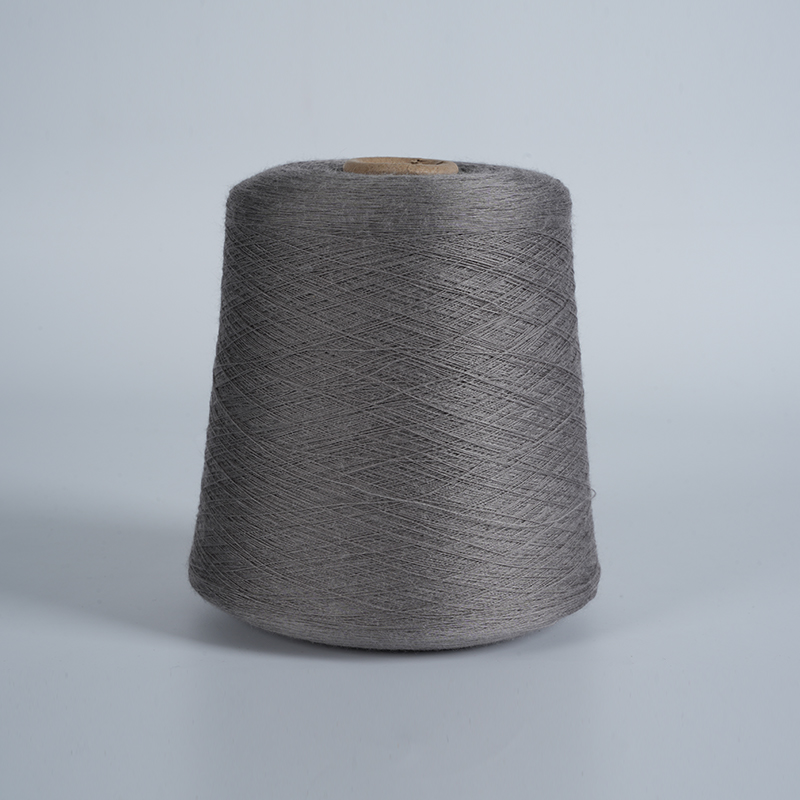
Refined blend yarn represents the strategic intersection of natural fiber comfort and synthetic durability, offering textile manufacturers a versatile solution for modern apparel and home goods. By combining fibers such as cotton, polyester, wool, or viscose, these yarns mitigate the weaknesses of individual materials while amplifying their strengths. The most effective refined blends achieve a balance where cost-efficiency, ease of care, and tactile quality converge, making them indispensable in high-volume production environments. Understanding the specific ratios and spinning techniques is crucial for selecting the right yarn for performance-driven applications.
Content
Creating a high-quality refined blend yarn requires more than just mixing fibers; it demands a deep understanding of physical and chemical compatibility. The success of a blend depends on how well the fibers interact during spinning, dyeing, and finishing.
For a smooth spinning process, the constituent fibers must have compatible staple lengths and diameters. If one fiber is significantly shorter or finer than the other, it may lead to uneven yarn thickness or excessive hairiness. For instance, blending long-staple cotton with standard polyester requires careful carding and combing to ensure the polyester does not clump, which can cause weak spots in the final fabric.
Different fibers absorb dyes differently. Cotton reacts to reactive dyes, while polyester requires disperse dyes at high temperatures. In a refined blend yarn, this often necessitates a two-stage dyeing process or the use of cross-dyeable fibers to achieve uniform coloration. Failure to manage dye affinity results in "barre" effects, where the fabric appears streaky or unevenly colored, significantly reducing its market value.
The ratio of fibers in a blend dictates its final properties. Manufacturers adjust these ratios to meet specific performance criteria, from moisture-wicking athletic wear to durable work uniforms.
| Blend Type | Key Characteristics | Primary Applications | Care Requirements |
|---|---|---|---|
| Cotton/Polyester (65/35) | Durable, wrinkle-resistant, breathable | Workwear, bed sheets, uniforms | Machine wash, low iron |
| Wool/Acrylic (50/50) | Warm, lightweight, cost-effective | Winter sweaters, scarves, socks | Hand wash or dry clean |
| Viscose/Polyester (70/30) | Soft drape, vibrant color, strong | Blouses, dresses, linings | Gentle cycle, hang dry |
The 65/35 Cotton-Polyester blend remains the industry standard for corporate uniforms due to its exceptional balance of comfort and longevity. The polyester provides tensile strength and resistance to shrinking, while the cotton ensures breathability and skin comfort. Conversely, wool-acrylic blends are favored in fast fashion for their ability to mimic the warmth of pure wool at a fraction of the cost and weight.
The method used to spin refined blend yarn significantly impacts its texture, strength, and ultimate application. Two primary methods dominate the market: ring spinning and open-end (rotor) spinning.
Ring spinning produces a smoother, stronger, and more uniform yarn. The fibers are tightly twisted, resulting in a refined surface that is ideal for high-quality apparel and bedding. While slower and more expensive, ring-spun blended yarns offer superior pilling resistance and a softer hand feel. This method is preferred for fine-count yarns where aesthetic quality is paramount.
Open-end spinning is a faster, more cost-effective process that produces a bulkier, slightly hairier yarn. It is commonly used for heavier fabrics like denim, towels, and upholstery. While the yarn is not as strong or smooth as ring-spun varieties, it offers excellent absorbency and insulation properties. For coarse blended yarns, open-end spinning provides an efficient solution without compromising structural integrity.
Ensuring the consistency of refined blend yarn requires rigorous testing at various stages of production. Key metrics include evenness, hairiness, and strength.
 Contact Us
 Products
 Send An E-mail
No. 189 Pengfei Road, Industrial Park, Tudian Town, Tongxiang City, Zhejiang Province, China
 Mobile


 English
 Français
 Español
 عربى
عربى