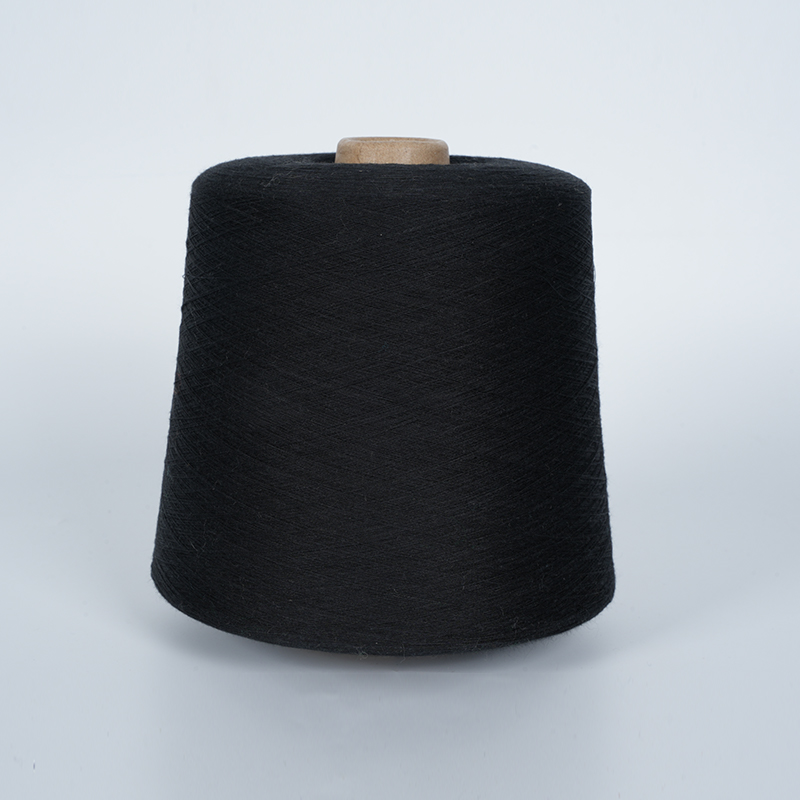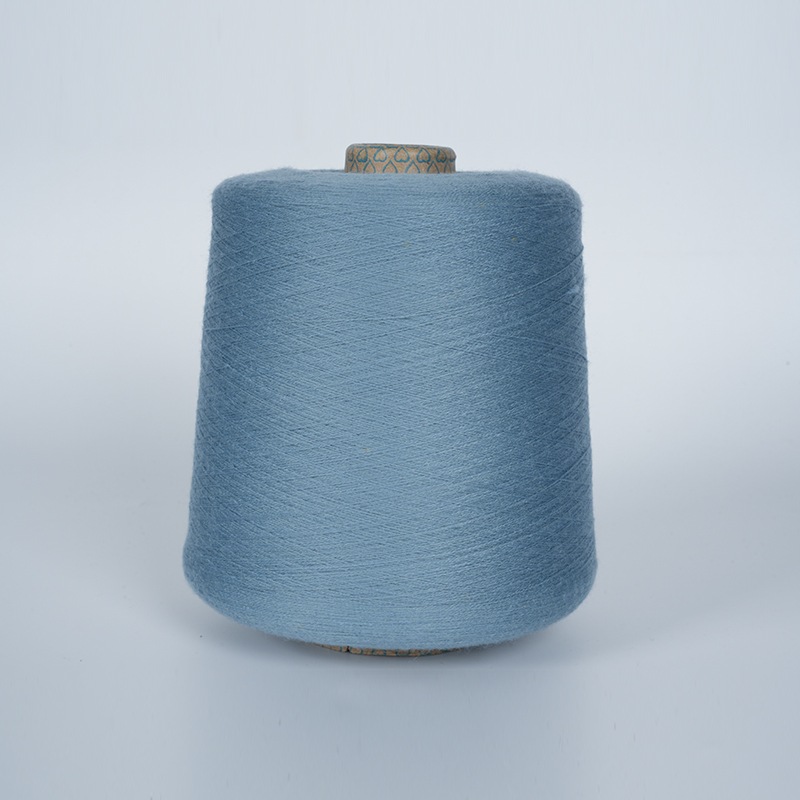
Chunky Wool Jumper Yarn: A Sourcing Guide for Manufacturers
Content
A chunky jumper reads as thick and cozy to the eye, but that visual weight comes from specific, repeatable decisions made at the spinning stage, not from any single "chunky" fiber. The same wool can spin into a fine, drapey worsted yarn or a bold, cable-ready chunky yarn depending on count and ply alone.
For buyers translating a design brief into a purchase order, that distinction matters. "Chunky" isn't a fiber category you can request from a spinner; it's an outcome of count, ply, and finishing that has to be specified precisely to get consistent results across production runs.
Yarn thickness in worsted spinning is expressed as Nm count — the number of meters per gram, so a lower Nm number means a thicker single strand. Chunky knitwear generally calls for coarser counts in the 2/28Nm to 3/30Nm range, often plied three ways rather than two, since additional plies build bulk and rounded stitch definition without sacrificing strength.
This is the opposite direction from fine knitwear sourcing, where finer counts around 60Nm to 80Nm are standard. Getting the ply structure right the first time avoids a common sampling problem: a yarn that looks chunky on the cone but knits up thin and limp once it's under tension on the needles, usually because the twist level was too tight for the intended gauge.
Basolan treatment is a chemical process applied to wool tops before spinning that modifies the fiber's internal structure, making it less rigid and more receptive to dye. The Woolmark Company's documentation on this process notes that it specifically produces bulkier, softer yarns with brighter, more evenly absorbed dye shades, along with a degree of anti-felting that makes finished garments easier to wash.
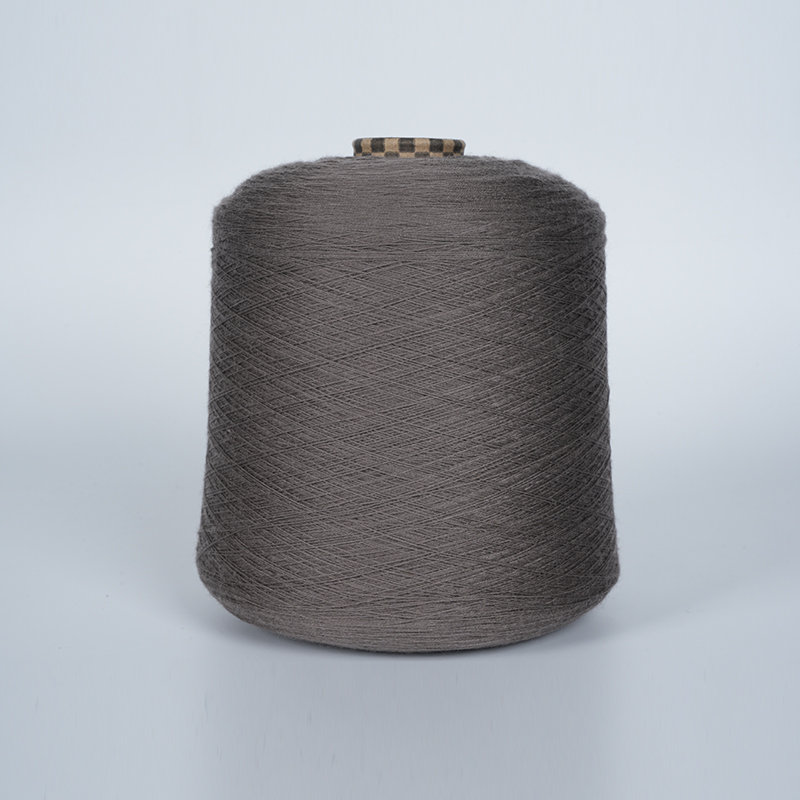
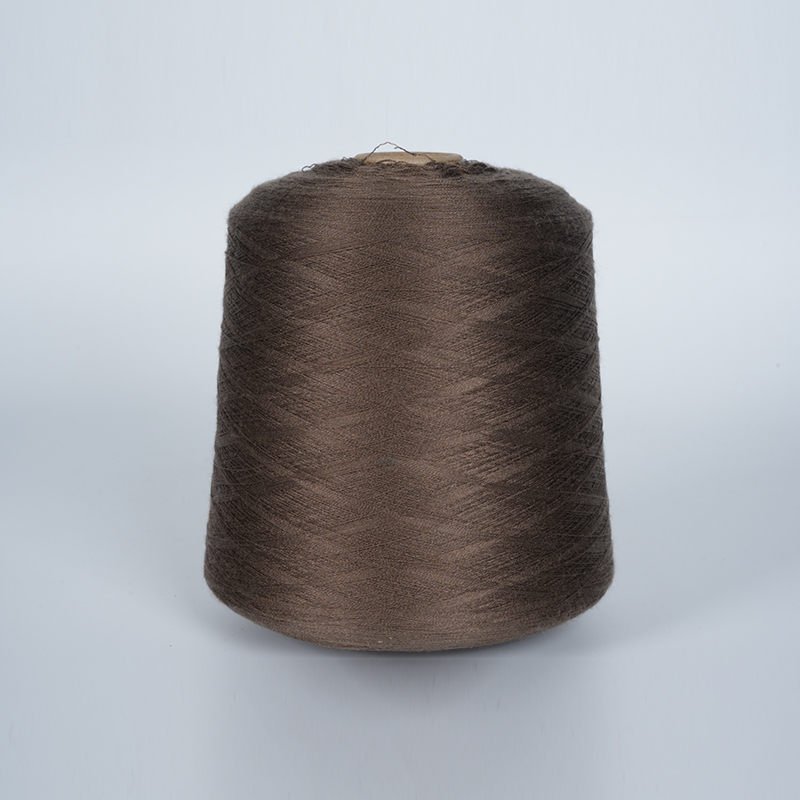
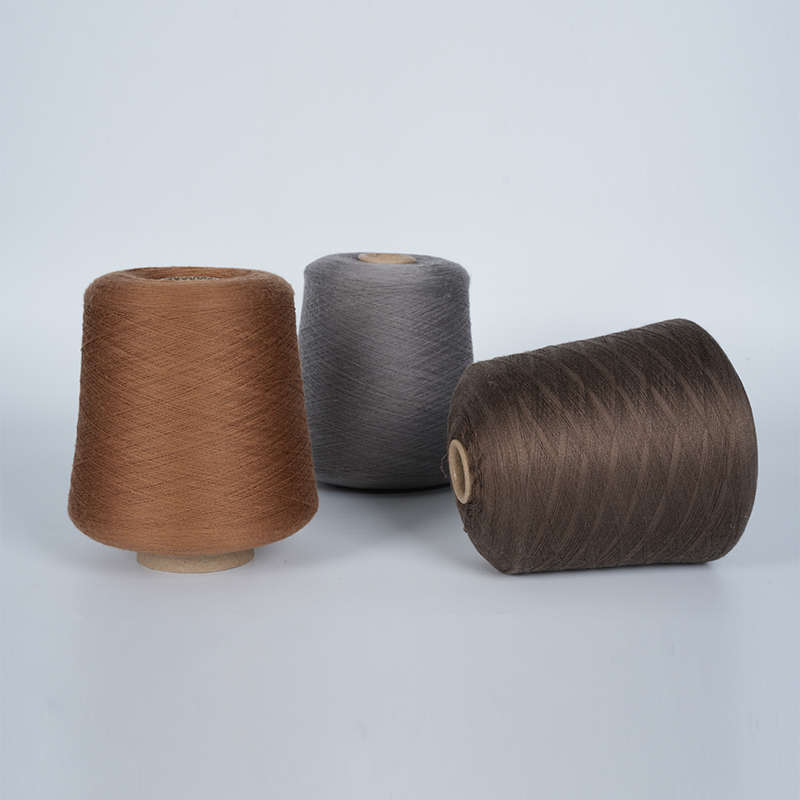
That combination, extra bulk plus easier care, lines up closely with what a chunky jumper needs to perform well at retail. Basolan-treated wool yarn engineered for a fuller, bulkier handle is built around exactly this trade-off, giving the visual weight a chunky design calls for without the harsh handle that untreated coarse wool can have against the skin.
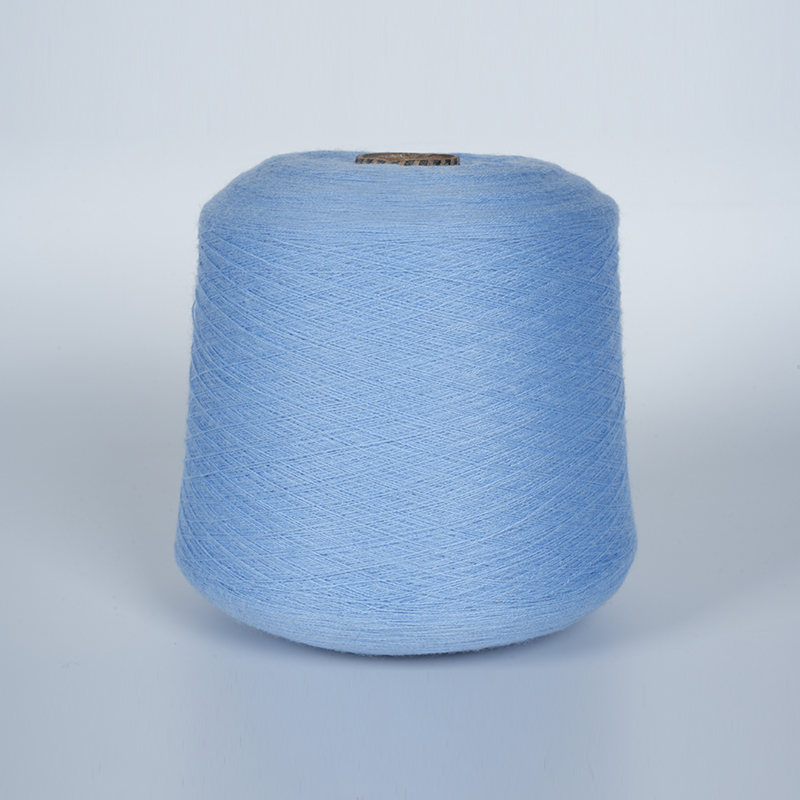
Fiber content is where a chunky jumper's price point gets decided, more than count or ply ever will. pure wool yarn for a classic, all-natural chunky knit sits at the traditional end of the category, offering the natural elasticity and warmth that let a chunky cable pattern hold its shape over repeated wear.
For collections that need to hit a lower price point without losing the bulky silhouette, wool-acrylic blend yarn for a more cost-efficient chunky knit line trades some of wool's natural bounce for a lower per-kilogram cost and easier machine-wash performance. At the opposite end, wool-cashmere blend yarn for premium-tier chunky jumper collections adds the softness and prestige that justify a higher retail price, which matters for chunky knitwear specifically since the coarser gauge makes fiber quality more visible and more tactile than it would be in a fine-gauge garment.
Chunky jumpers see heavier handling than lighter knitwear, both from the garment's own weight and from how customers tend to treat a bulky, casual piece day to day. A care claim that doesn't hold up in real washing conditions creates returns and reviews that are expensive to walk back.
This is where finishing choices earn their keep. easy-care wool yarn suited to mainstream retail chunky knitwear is finished specifically to survive machine washing without the felting and shrinkage that untreated wool is prone to, which matters more for a chunky piece than a fine one simply because customers are less likely to hand-wash a casual, everyday sweater. Specifying the intended wash protocol upfront, and requesting shrinkage results tested under that exact protocol, is a small step that prevents most of the disputes that surface between sample approval and bulk production.
 Contact Us
 Products
 Send An E-mail
No. 189 Pengfei Road, Industrial Park, Tudian Town, Tongxiang City, Zhejiang Province, China
 Mobile


 English
 Français
 Español
 عربى
عربى