Industry News
Industry News
Wool Tencel Acrylic Blend Yarn: Benefits, Care & Knitting Guide
Content
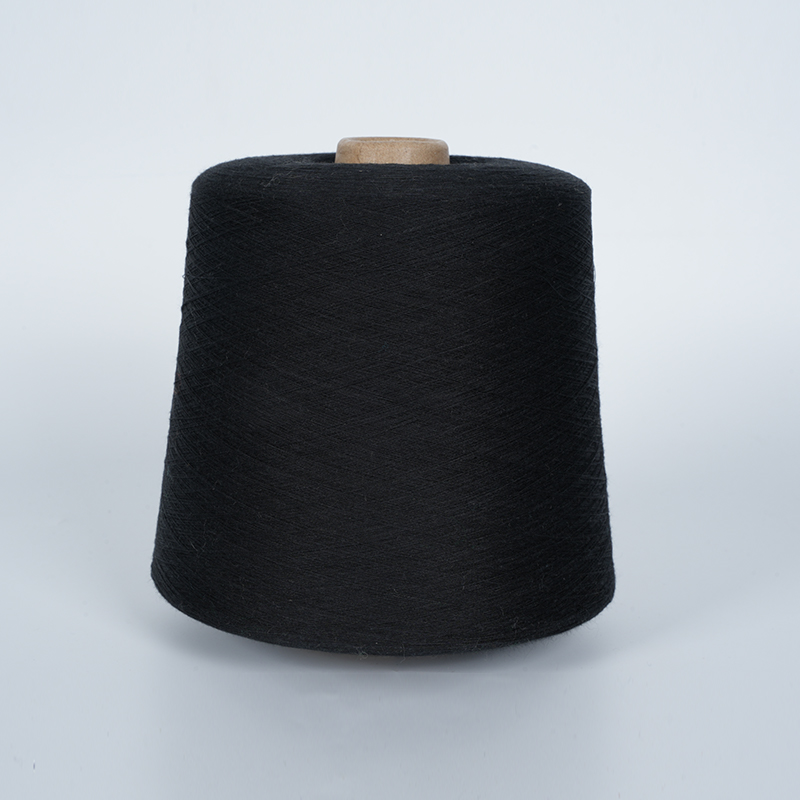
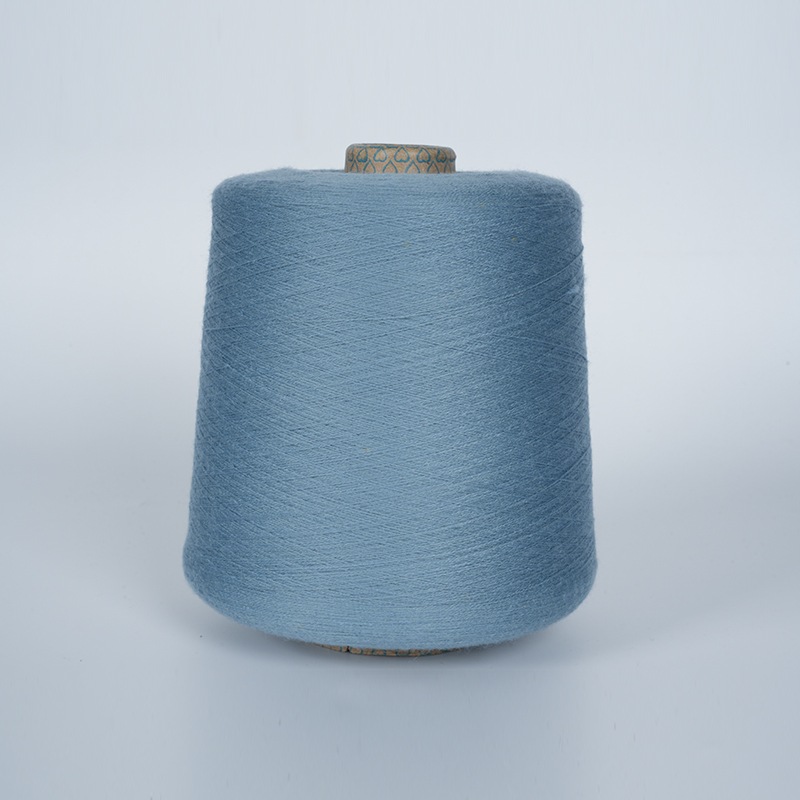
Wool Tencel acrylic blend yarn represents a sophisticated fusion of natural warmth, sustainable smoothness, and synthetic resilience. By combining these three distinct fibers, manufacturers create a yarn that mitigates the weaknesses of each individual component while amplifying their strengths. The result is a versatile material that offers the thermal regulation of wool, the luxurious drape of Tencel (lyocell), and the easy-care durability of acrylic.
This tri-blend is particularly favored by knitters and crocheters who seek a balance between luxury and practicality. Pure wool can be itchy and high-maintenance, while pure acrylic may lack breathability and feel plastic-like. Tencel adds a silky hand-feel and moisture-wicking properties, bridging the gap between natural and synthetic. Typically, a common ratio might be 40% Wool, 30% Tencel, and 30% Acrylic, though variations exist depending on the desired texture and end-use.
Understanding the role of each fiber in the blend helps crafters predict how the yarn will behave during construction and wear. Each component contributes specific physical properties that enhance the overall performance of the fabric.
Wool provides the foundational warmth and elasticity. Its natural crimp allows the yarn to spring back into shape, preventing sagging in garments like sweaters and socks. Wool fibers can absorb up to 30% of their weight in moisture without feeling wet, offering excellent temperature regulation. In the blend, even a moderate percentage of wool ensures the fabric remains breathable and insulating.
Tencel, a brand name for lyocell fiber made from wood pulp, introduces a smooth, cool touch and superior drape. It is significantly stronger than cotton when wet and has a subtle sheen that elevates the visual appeal of the yarn. Tencel’s moisture management capabilities complement wool, helping to wick sweat away from the skin. However, Tencel can be prone to fibrillation (pilling) if not blended with more durable fibers, which is where acrylic plays a crucial role.
Acrylic acts as the stabilizer in the blend. It is lightweight, hypoallergenic, and highly resistant to abrasion and moth damage. By incorporating acrylic, the yarn becomes machine washable and retains its color vibrancy longer than pure natural fibers. It also reduces the overall cost of the yarn and minimizes the shrinkage potential of the wool component, making the final garment more forgiving in terms of care.
| Property | Wool | Tencel | Acrylic |
|---|---|---|---|
| Warmth | High | Low | Moderate |
| Softness | Variable (can be itchy) | Very High | High |
| Durability | Moderate | High (wet strength) | Very High |
| Care Ease | Low (Hand wash) | Moderate | High (Machine wash) |
The unique characteristics of wool Tencel acrylic blend yarn make it suitable for a wide range of projects, particularly those that benefit from both structure and drape. Crafters should consider the fiber content when selecting patterns to ensure the best outcome.
This blend is exceptional for lightweight sweaters, cardigans, and shawls. The Tencel component allows the fabric to drape elegantly over the body, avoiding the bulkiness often associated with pure wool. It is also an excellent choice for baby clothes and sensitive skin accessories, as the acrylic and Tencel mask the potential itchiness of the wool. Hats and scarves made from this yarn offer warmth without excessive weight, making them comfortable for all-day wear.
When working with this blend, crafters may notice that the yarn has less "grip" than pure wool due to the smoothness of Tencel and acrylic. This can make complex cable patterns slightly more challenging to define, so simpler stitch patterns like stockinette, garter, or basic ribs often yield cleaner results. The yarn tends to have good stitch definition but may split if needles are too sharp. Using wooden or bamboo needles can provide better traction and control.
One of the primary benefits of adding acrylic and Tencel to wool is the simplified care routine. While pure wool often requires hand washing and flat drying, tri-blends are generally more forgiving, though proper care extends the life of the garment.
Most wool Tencel acrylic blends can be machine washed on a gentle cycle using cold water and mild detergent. However, it is crucial to check the specific label, as high wool content may still require hand washing. Avoid hot water, which can cause the wool to shrink and the Tencel to weaken. When drying, lay the item flat to maintain its shape. While acrylic is heat resistant, Tencel can become brittle if exposed to high dryer temperatures, so air drying is recommended.
Due to the presence of Tencel and shorter wool fibers, this blend may be prone to pilling in areas of high friction, such as underarms or cuffs. Regular use of a fabric shaver or pill remover can keep garments looking new. Store knitted items folded rather than hung to prevent stretching, especially since the Tencel component can add weight to the fabric when damp or over time. Use cedar blocks or lavender sachets to deter moths, as the wool content remains vulnerable to insect damage.
In conclusion, wool Tencel acrylic blend yarn offers a compelling combination of comfort, style, and practicality. By leveraging the warmth of wool, the drape of Tencel, and the durability of acrylic, this yarn creates fabrics that are soft, resilient, and easy to care for. Whether crafting a delicate shawl or a everyday sweater, understanding the properties of this tri-blend allows makers to produce high-quality, long-lasting pieces that stand up to the demands of modern life.
No. 189 Pengfei Road, Industrial Park, Tudian Town, Tongxiang City, Zhejiang Province, China