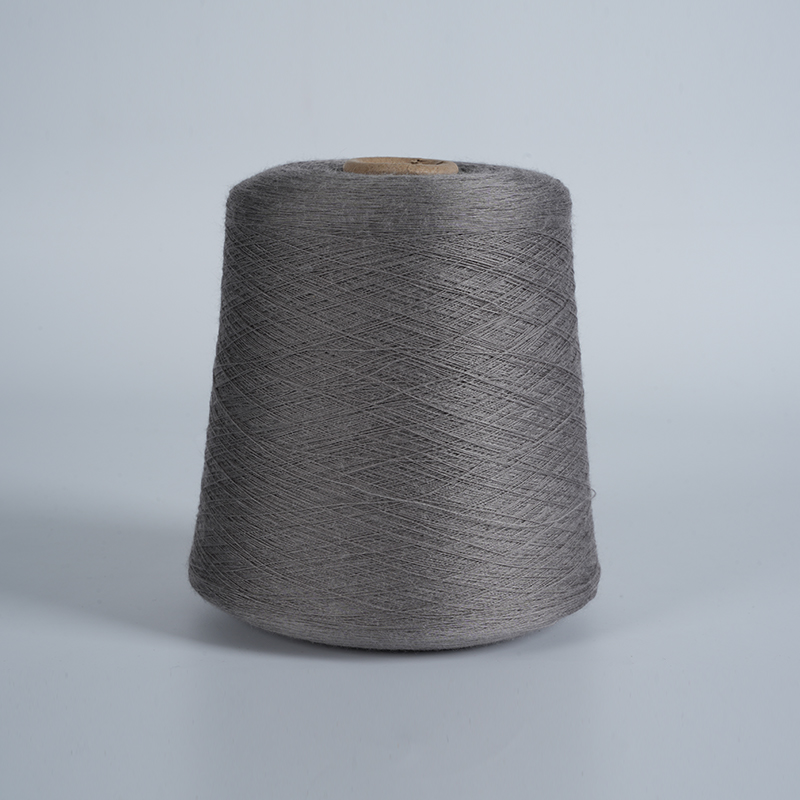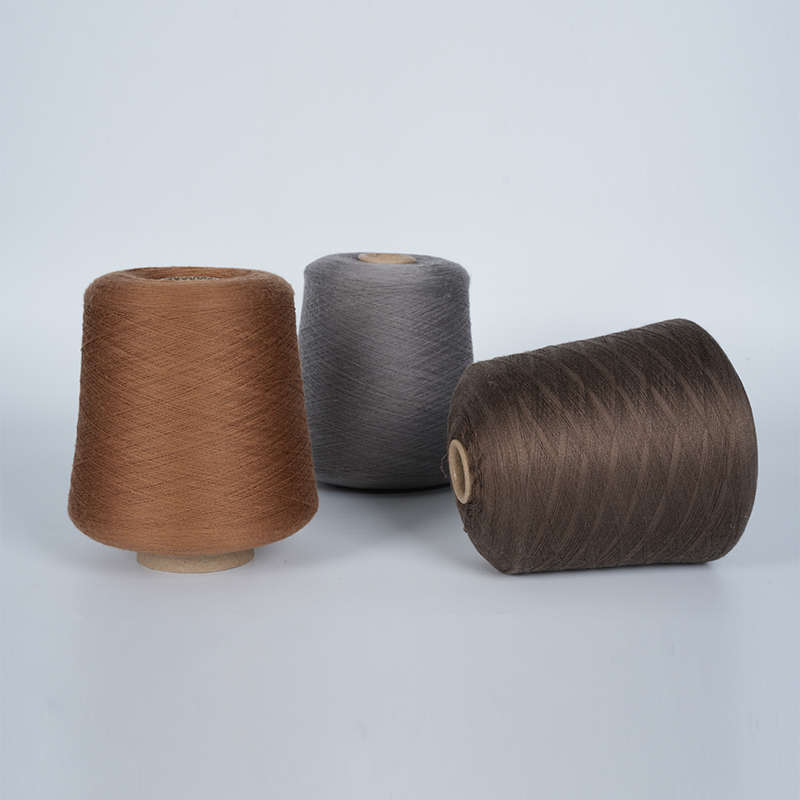
Cotton Combed Ramie Yarn: Benefits, Blends & Textile Guide
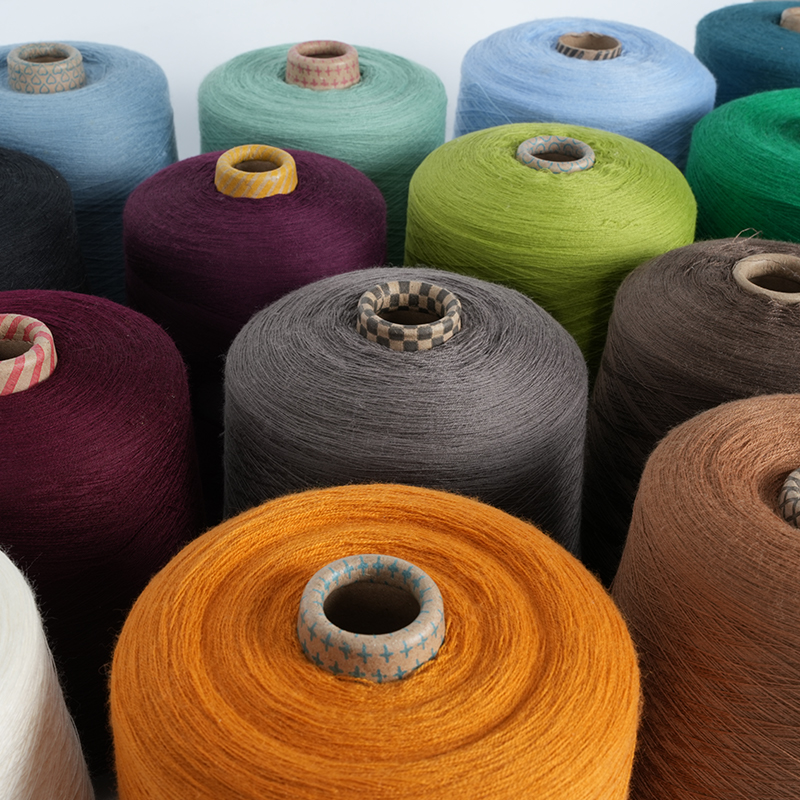
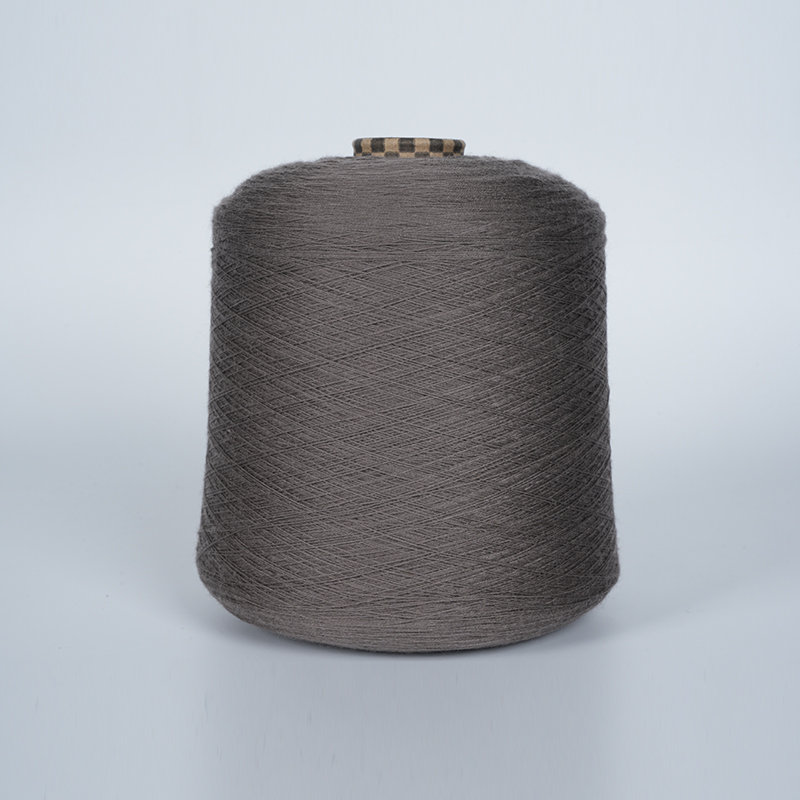
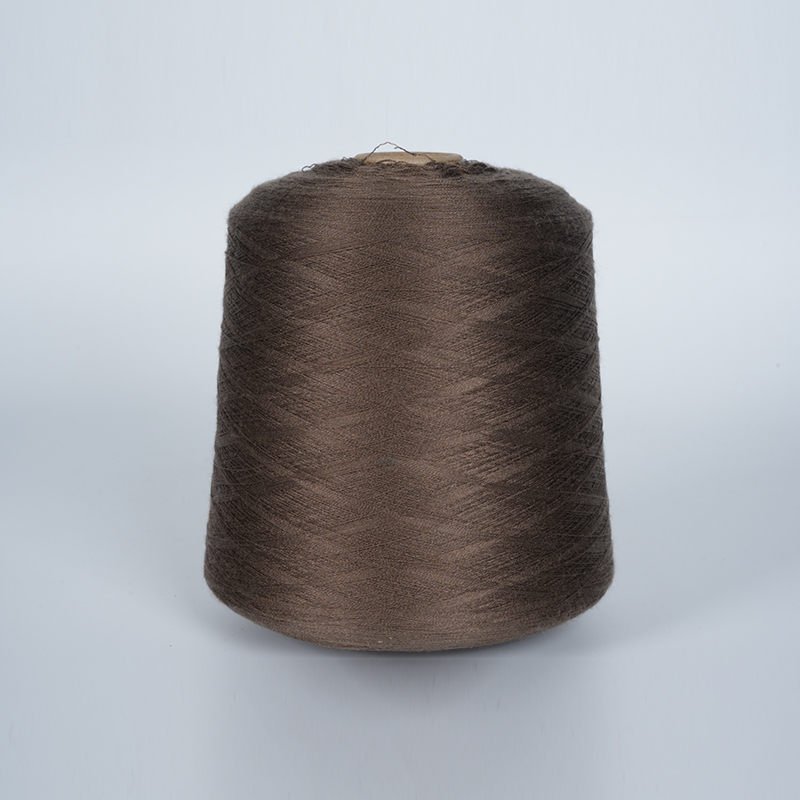
Cotton combed ramie yarn represents the pinnacle of natural fiber blending, combining the softness and absorbency of premium cotton with the exceptional strength and luster of ramie. This specific blend offers a fabric that is up to 30% more breathable than pure cotton while maintaining a crisp, structured drape that resists shrinking and wrinkling. By utilizing the combing process to remove short fibers and impurities from the cotton before blending it with degummed ramie, manufacturers create a yarn that is smoother, stronger, and significantly more luxurious than standard cotton or ramie singles.
Content
Understanding why these two fibers are paired requires looking at their individual properties. Ramie, one of the oldest fiber crops, is known for its incredible tensile strength and natural shine, but it can be stiff and brittle on its own. Cotton, conversely, is soft and flexible but lacks structural integrity and dries slowly.
When blended, ramie acts as a skeletal structure for the cotton. The resulting cotton combed ramie yarn retains the silky sheen of ramie but feels significantly softer against the skin due to the cotton content. This synergy eliminates the "scratchy" feel often associated with pure ramie, making it suitable for sensitive skin while still providing the durability needed for frequent washing and wear.
The term "combed" is critical to the quality of this yarn. Combing is an additional step in the spinning process where short fibers (noils) and remaining impurities are removed from the cotton staple. This results in a yarn that is smoother, stronger, and more uniform than carded cotton. When blended with ramie, which is already a long-fiber bast, the combed cotton ensures that there are no weak points or fuzzy protrusions in the final yarn, leading to a cleaner, more refined fabric surface.
Fabrics made from cotton combed ramie yarn offer distinct advantages over synthetic blends and standard natural fibers, particularly in warm climates.
Both cotton and ramie are highly hydrophilic, meaning they absorb water readily. However, ramie’s hollow fiber structure allows for rapid evaporation. Cotton combed ramie yarn can absorb moisture up to 20% faster than pure cotton, keeping the wearer dry and cool. This makes it an ideal choice for summer apparel, activewear, and undergarments where sweat management is crucial.
Ramie possesses natural antibacterial and antifungal properties, which are retained in the blend. This helps prevent odor buildup even after prolonged wear. Additionally, ramie fibers naturally block up to 95% of UV rays, offering built-in sun protection for outdoor clothing without the need for chemical treatments.
One of the biggest drawbacks of pure cotton is its tendency to shrink and lose shape. The inclusion of ramie, which has very low elasticity but high rigidity, counteracts this. Garments made from this blend show minimal shrinkage (less than 3%) after washing and maintain their original silhouette much better than 100% cotton items.
To understand the market position of cotton combed ramie yarn, it is helpful to compare it with other common natural fiber blends.
| Feature | Cotton Combed Ramie | 100% Cotton | Cotton Linen |
|---|---|---|---|
| Softness | High (Silky) | High (Soft) | Medium (Textured) |
| Strength | Very High | Medium | High |
| Wrinkle Resistance | Good | Poor | Poor |
| Luster | Natural Sheen | Matte | Matte |
As illustrated, cotton combed ramie yarn offers a unique balance of luster and wrinkle resistance that neither pure cotton nor cotton-linen blends can match. It provides a more polished look suitable for semi-formal summer wear.
The unique characteristics of this yarn make it versatile for various high-end textile applications.
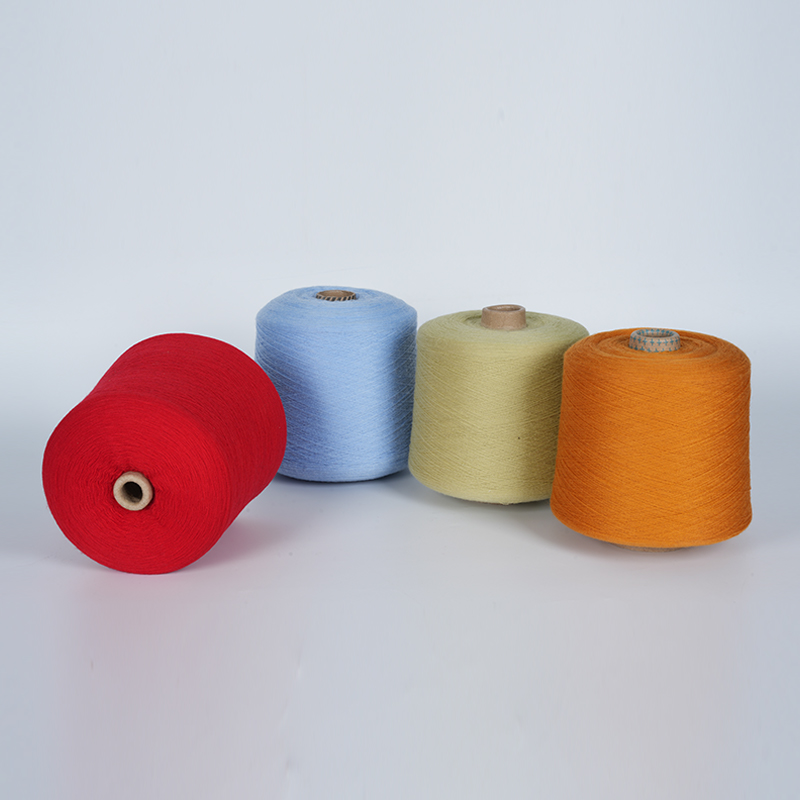
This yarn is predominantly used in lightweight knits and woven fabrics for shirts, dresses, and trousers. Its ability to hold dye well results in vibrant, long-lasting colors that do not fade easily under sunlight. Designers favor it for structured summer garments that require a crisp appearance without the weight of heavier fabrics.
Due to its strength and absorbency, cotton combed ramie yarn is also excellent for high-quality towels, bed linens, and tablecloths. The natural antibacterial properties ensure hygiene, while the smooth surface prevents lint accumulation, a common issue with lower-quality cotton towels.
To preserve the integrity and appearance of fabrics made from cotton combed ramie yarn, specific care practices are recommended.
 Contact Us
 Products
 Send An E-mail
No. 189 Pengfei Road, Industrial Park, Tudian Town, Tongxiang City, Zhejiang Province, China
 Mobile


 English
 Français
 Español
 عربى
عربى