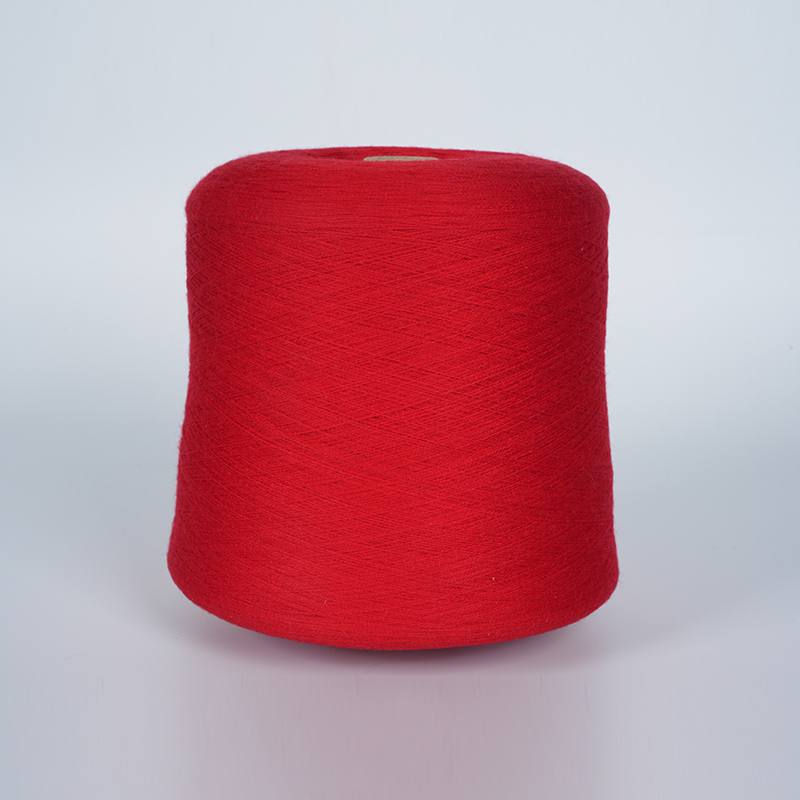
Wool Silk Blend Yarn: Benefits, Care & Knitting Guide
Content
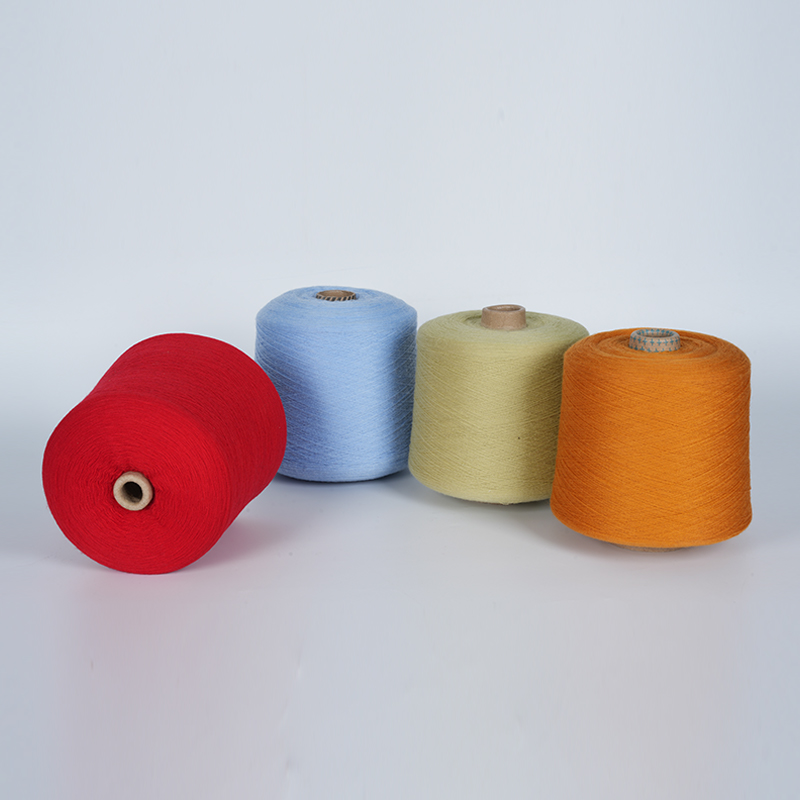
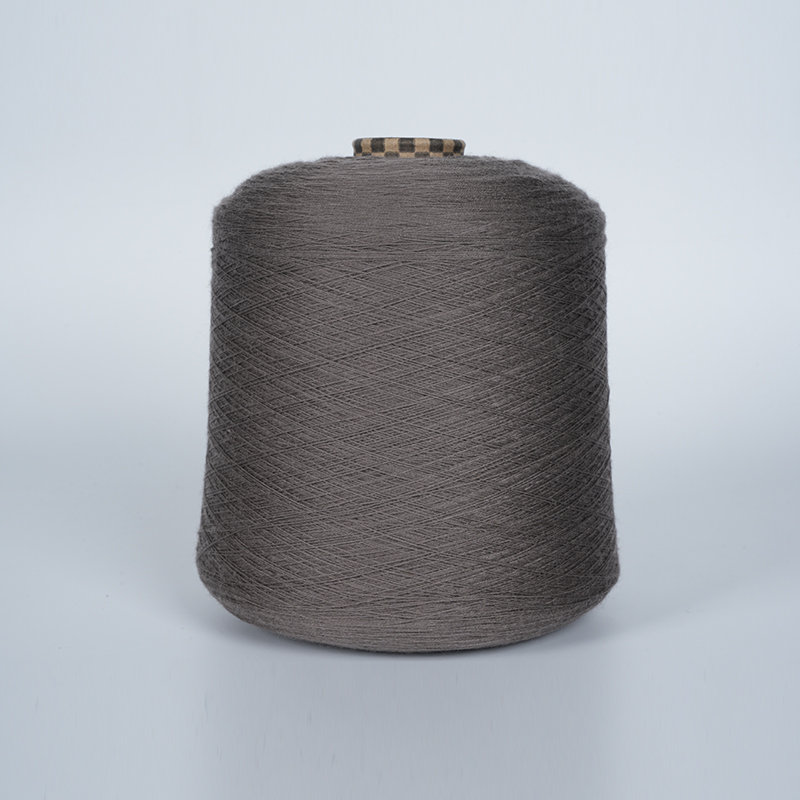
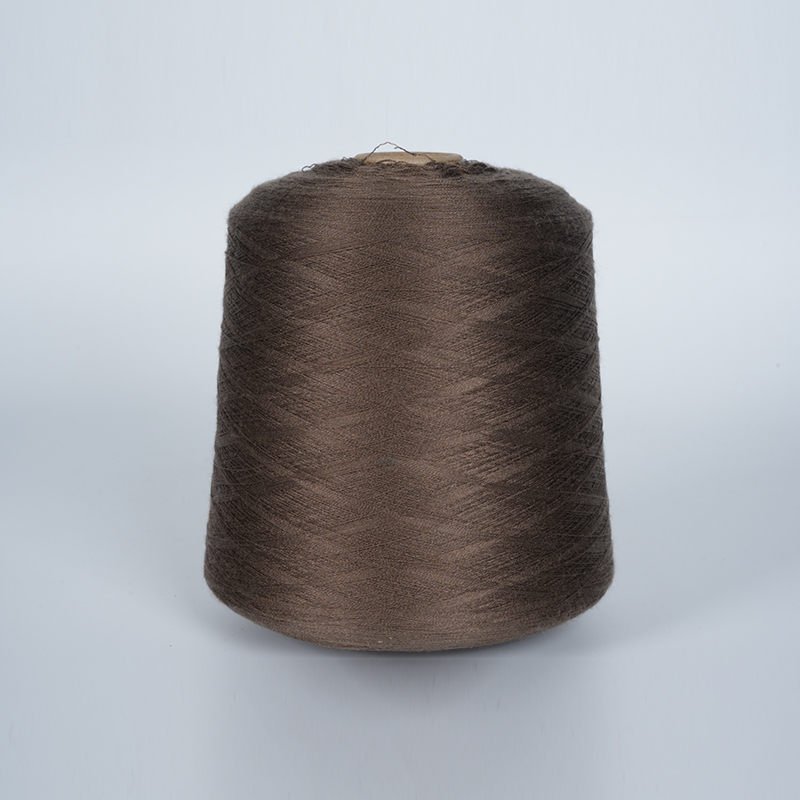
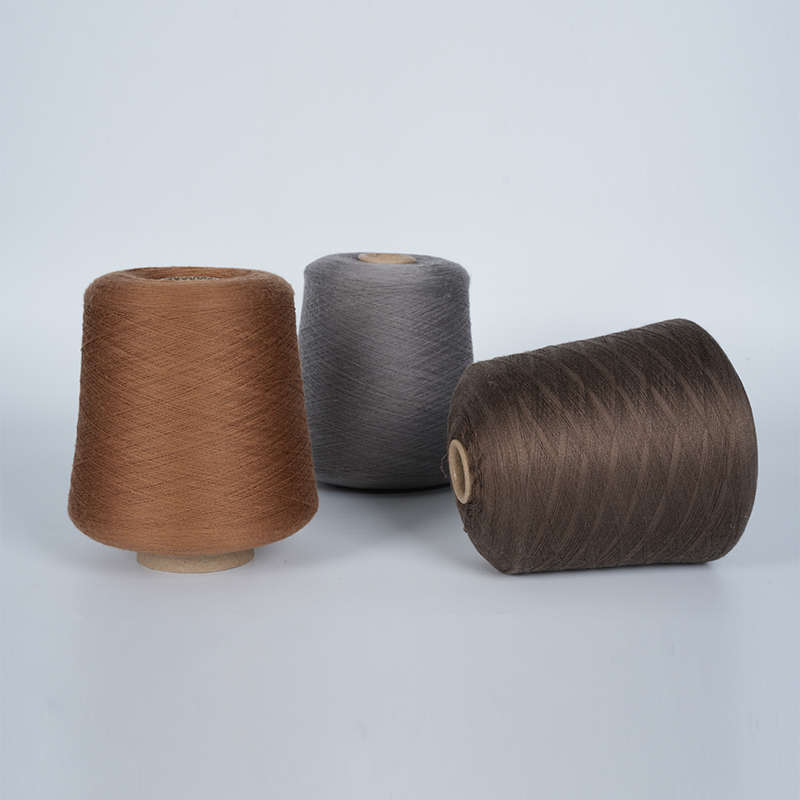
Wool silk blend yarn represents the pinnacle of natural fiber engineering, combining the thermal regulation and elasticity of wool with the luminous sheen and fluid drape of silk. This synergy creates a material that is stronger than pure wool yet softer and more breathable than pure silk, making it ideal for high-end garments that require both structure and elegance. The typical blend ratio of 70% wool and 30% silk offers an optimal balance, providing enough protein structure from the silk to reduce pilling while retaining the crimp and warmth of the wool.
For knitters and weavers, this blend solves common issues associated with pure fibers. Pure wool can sometimes feel scratchy or heavy, while pure silk lacks memory and can sag over time. By blending them, manufacturers create a yarn that holds its shape beautifully, resists wrinkling, and feels luxurious against the skin. The result is a fabric that is suitable for year-round wear, offering insulation in winter and breathability in transitional seasons.
The microscopic structure of wool and silk fibers complements each other perfectly. Wool fibers have scales that trap air, providing insulation, while silk fibers are smooth and triangular, reflecting light and adding strength. When spun together, these characteristics enhance the overall performance of the yarn.
| Property | Pure Wool | Pure Silk | Wool-Silk Blend |
|---|---|---|---|
| Tensile Strength | Moderate | High | Very High (Enhanced durability) |
| Elasticity/Memory | Excellent | Low (Prone to sagging) | Good (Retains shape well) |
| Luster/Sheen | Matte | High Gloss | Subtle, Elegant Glow |
| Moisture Wicking | High | Moderate | Excellent (Breathable & Dry) |
The blend excels in thermoregulation. Wool’s natural crimp creates air pockets that insulate, while silk’s smooth surface allows for efficient moisture vapor transmission. This makes wool silk blend yarn particularly suitable for base layers and lightweight sweaters that need to keep the wearer warm without causing overheating or sweat accumulation. The hypoallergenic nature of silk also mitigates the itchiness often associated with coarser wools, making it safe for sensitive skin.
Due to its unique drape and strength, wool silk blend yarn is versatile but performs best in specific project types. It is not typically recommended for heavy-duty items like rugs or outerwear coats that require extreme abrasion resistance, but it shines in garments where aesthetics and comfort are paramount.
While durable, wool silk blend yarn requires careful handling to maintain its luster and structural integrity. Both fibers are protein-based and can be damaged by harsh chemicals, high heat, and agitation.
Minor pilling can occur in high-friction areas, but it is less severe than in pure wool due to the reinforcing effect of silk. Use a fabric comb or battery-operated pill remover gently. Because silk adds tensile strength, small holes are less likely to run or expand rapidly, making repairs easier. With proper care, garments made from wool silk blend yarn can last for decades, often becoming softer and more beautiful with each wear.
 Contact Us
 Products
 Send An E-mail
No. 189 Pengfei Road, Industrial Park, Tudian Town, Tongxiang City, Zhejiang Province, China
 Mobile


 English
 Français
 Español
 عربى
عربى