Types of Wool Yarn: A Practical Guide to Fibers, Blends, and Specs for Sourcing
A production manager approves a 48Nm/2 lambswool yarn after lab tests, then faces a return claim three weeks later because the finished sweater pills across the chest. The lab results were not wrong; the yarn type was wrong for the wearer. Wool yarn is not a single material. It is a family of products shaped by fiber diameter, breed, blend ratio, ply, count, and finishing treatment. Choosing the right type before bulk production is cheaper than correcting a failed garment later.
This guide explains the main types of wool yarn used in knitwear, weaving, and blend development, then shows how to read specifications, compare sourcing options, and avoid common quality risks.
Content
When buyers ask for "wool yarn," they often mean one of three different things: the animal fiber source, the breed or grade, or the spinning and finishing method. Each layer changes performance.
The fiber source determines the baseline. Merino, lambswool, Shetland, cashmere, alpaca, mohair, and angora all come from different animals or breeds. Fiber diameter, measured in microns, drives softness and price. A 17-micron merino feels very different from a 32-micron hill wool, even when both are 100% wool.
The spinning method controls how the yarn behaves on the machine and in the finished piece. Worsted spinning aligns fibers and removes short staples, producing a smooth, strong, and relatively compact yarn. Woolen spinning keeps more air and irregularity, giving loft, warmth, and a softer surface. A woolen-spun lambswool sweater may feel plush but can pill more easily than a worsted-spun merino knit.
Finally, the finish and ply define the commercial specification. Basolan treatment, easy-care finishing, and ply count affect shrinkage, hand feel, and durability. That is why two yarns labeled "wool" can behave like completely different materials in production.
The table below compares the wool yarn types most often specified in apparel, accessories, and interior textiles. Use it as a starting point, then confirm the actual micron, staple length, and blend ratio with your spinner.
| Wool yarn type | Typical fiber diameter | Character | Common uses | Sourcing note |
|---|---|---|---|---|
| Merino | 17-24 micron | Soft, fine, breathable, elastic | Next-to-skin knitwear, base layers, fine-gauge sweaters | Confirm micron range and mulesing status if required |
| Lambswool | 23-25 micron | Soft, resilient, slightly lofty | Knitwear, baby garments, blankets | First shearing; quality varies by origin and season |
| Shetland | 25-30 micron | Light, warm, tweedy, durable | Outerwear, Fair Isle patterns, sweaters | Often blended with other wools for color and strength |
| Cashmere | 14-19 micron | Luxuriously soft, warm, lightweight | Premium knitwear, scarves, luxury accessories | High cost; verify fiber content and dehairing quality |
| Alpaca | 18-30 micron | Silky, strong, hypoallergenic, low lanolin | Coats, shawls, blends with wool or silk | Can be brittle; blend for strength and shape retention |
| Mohair | 25-40 micron | Lustrous, durable, fuzzy halo | Brushed sweaters, socks with nylon, upholstery | Use finer kid mohair for softness; coarser grades for durability |
| Angora | 13-16 micron | Very soft, warm, high halo, sheds | Luxury accessories, blended knitwear | Usually blended to control shedding and improve spin |
| British hill breeds | 30-40+ micron | Durable, hardwearing, resilient | Tweeds, upholstery, carpets, outerwear | Best for products where strength matters more than softness |
Pure wool yarn offers warmth, natural elasticity, and a recognizable hand feel. It is the right choice when the product story depends on 100% wool, when thermal performance matters, or when the customer expects traditional wool behavior. However, pure wool can be costly, may shrink without treatment, and may not deliver the drape or moisture management required in some active or summer garments.
Blended wool yarn solves specific problems. Wool-acrylic blends reduce cost and improve durability. Wool-Tencel-acrylic blends add drape, moisture absorption, and a cooler hand. Wool-silk blends introduce sheen, strength, and fluidity. Cotton-combed ramie blends create a crisp summer handle. Wool-cashmere protein fiber blends increase softness without the full cost of cashmere.
For example, a 70Nm/2 wool-silk blend with 60% wool and 40% silk gives a fluid drape that pure wool cannot match, while a 60Nm/3 wool-Tencel-acrylic blend can improve moisture transport in lightweight knits. These are refined blend yarns designed for specific end uses, not generic substitutes.
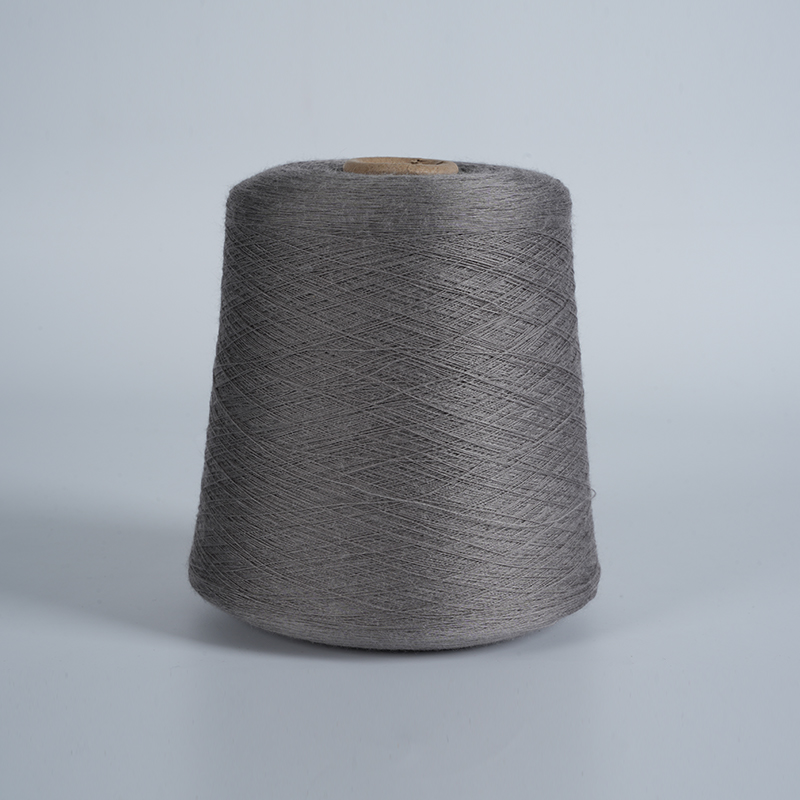 Wool Silk Blend Yarn for Refined KnitwearReview the 70Nm/2 wool-silk variants and exact blend ratios for fluid drape, subtle luster, warmth, and refined knitwear applications.View Product →
The key is to match the blend ratio to the performance target. A 5% wool, 35% Tencel, 60% acrylic blend behaves very differently from a 90% wool, 10% silk blend, even if both are sold as wool blends. Ask for the exact composition, not just the fiber names.
Wool yarn specifications use metric count, written as Nm. A higher Nm number means a finer yarn. Ply tells you how many single strands are twisted together. A 48Nm/2 yarn is two plies of a 48 metric count single, so the finished yarn is finer than a 28Nm/3 yarn made from three plies of 28 metric count singles.
Finer yarns such as 60Nm/2, 70Nm/2, and 80Nm/2 are common in lightweight knitwear, fine-gauge sweaters, and smooth woven fabrics. Thicker constructions such as 28Nm/3 and 30Nm/3 suit outerwear, heavy sweaters, and accessories where warmth and durability matter more than fineness.
Finishing treatments change the commercial value. Basolan treatment improves shrink resistance and hand feel, making wool easier to care for. Easy-care finishes reduce felting and pilling during domestic washing. A 48Nm/2 easy-care premium wool yarn can pass repeated wash tests that an untreated wool yarn would fail.
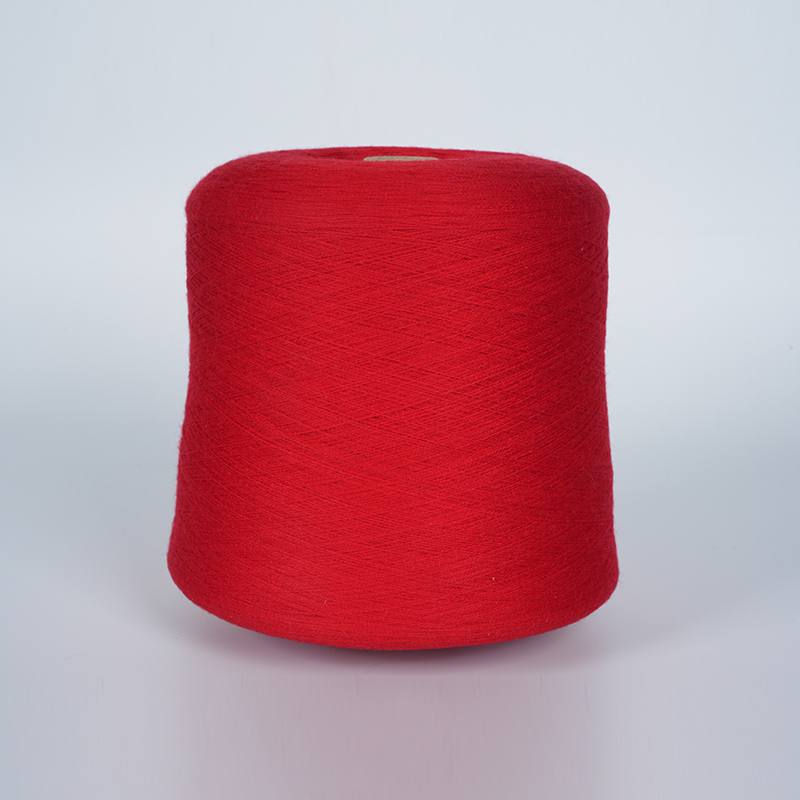 Easy Care Premium Wool Yarn for Machine-Washable KnitwearReview 48Nm/2 and 60Nm/2 machine-washable wool yarn for easier care, shape retention, and wash-test performance in sweaters and knitwear.View Product →
When comparing suppliers, ask for the single count, ply, twist direction, and twist per meter. Two yarns with the same Nm/2 label can have different twist levels, which affects stitch definition, fabric drape, and pilling resistance.
Start with the end use, then work backward to fiber, count, and finish. The following guidelines cover the most common purchasing scenarios.
If the product must feel luxurious but the budget is limited, a 70Nm/2 wool-cashmere protein fiber yarn with 50% wool and 50% cashmere protein fiber can deliver a softer hand than pure wool at a lower fiber cost.
Wool is a natural fiber, so variation is normal. The risk is not variation itself; it is variation outside the agreed tolerance. For blend ratios, a practical tolerance is plus or minus 5%. For fiber diameter, plus or minus 0.5 micron is common in fine wool contracts. For yarn count, plus or minus 3% to 5% is typical, depending on the spinning system.
Pilling, shrinkage, and color consistency are the three complaints that damage repeat orders. Pilling depends on fiber length, twist, and blend ratio. Shrinkage depends on fiber scale structure and finishing. Color consistency depends on raw wool selection and dyeing control. A supplier with an in-house laboratory can test all three before shipment.
Ask for test reports covering fiber composition, yarn count, twist, tensile strength, pilling resistance, and dimensional stability after washing. If the yarn is intended for easy-care garments, request wash tests that match the customer's care label. For luxury blends, confirm the exact percentage of cashmere, silk, or cashmere protein fiber, because small changes in blend ratio can shift cost and feel significantly.
 Wool Cashmere Protein Fiber Blend YarnReview 70Nm/2 wool and cashmere protein fiber variants for softness, warmth, drape, and exact blend ratios in premium knitwear.View Product →
Innovative comfort yarns such as 70Nm/2 wool-cashmere protein fiber blends are useful when the goal is a softer hand without moving to 100% cashmere. They still require the same discipline: define the specification, test the lot, and keep a reference sample for future orders.
A custom wool yarn manufacturer can adjust fiber selection, blend ratio, count, ply, and finishing to match a specific product brief. That flexibility matters when off-the-shelf yarns almost fit but fail on one critical property, such as shrinkage, pilling, or drape.
Huafu Textile Co., Ltd. has produced worsted wool yarn since 2003 from its factory in Tongxiang, Zhejiang. The company operates an 8,000-square-meter facility with more than 100 employees and an in-house laboratory for yarn testing. Its product range covers Basolan-treated premium wool, easy-care premium wool, pure wool, wool-acrylic, wool-Tencel-acrylic, wool-silk, cotton-combed ramie, and wool-cashmere protein fiber yarns in counts from 28Nm/3 to 80Nm/2.
Because the company positions itself as a custom wool yarn manufacturer, the practical starting point is a clear brief: end use, target hand feel, wash-care requirement, color, count, and any certification or tolerance limits. A spinner can then recommend a fiber blend and finishing route, produce a sample, and test it before bulk production. For a broader overview of wool yarn types and selection criteria, see this complete guide to wool yarn types and selection.
The right type of wool yarn is the one that matches the garment's performance targets at an acceptable cost. That decision is easier when the spinner provides transparency on fiber, count, blend, and finish, and when both sides agree on test methods before the first bulk lot.
 Contact Us
 Products
 Send An E-mail
No. 189 Pengfei Road, Industrial Park, Tudian Town, Tongxiang City, Zhejiang Province, China
 Mobile


 English
 Français
 Español
 عربى
عربى