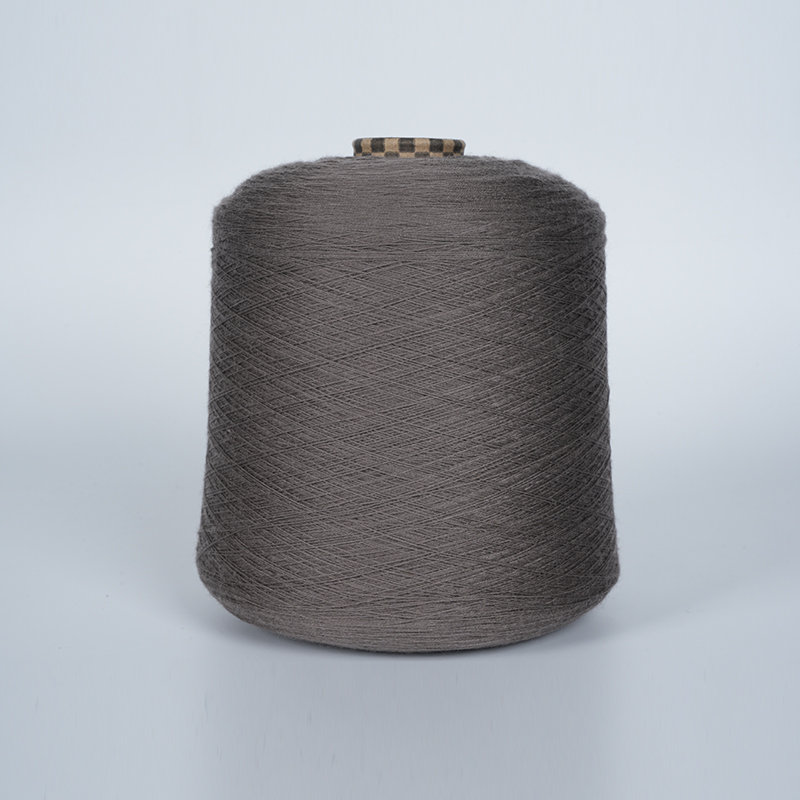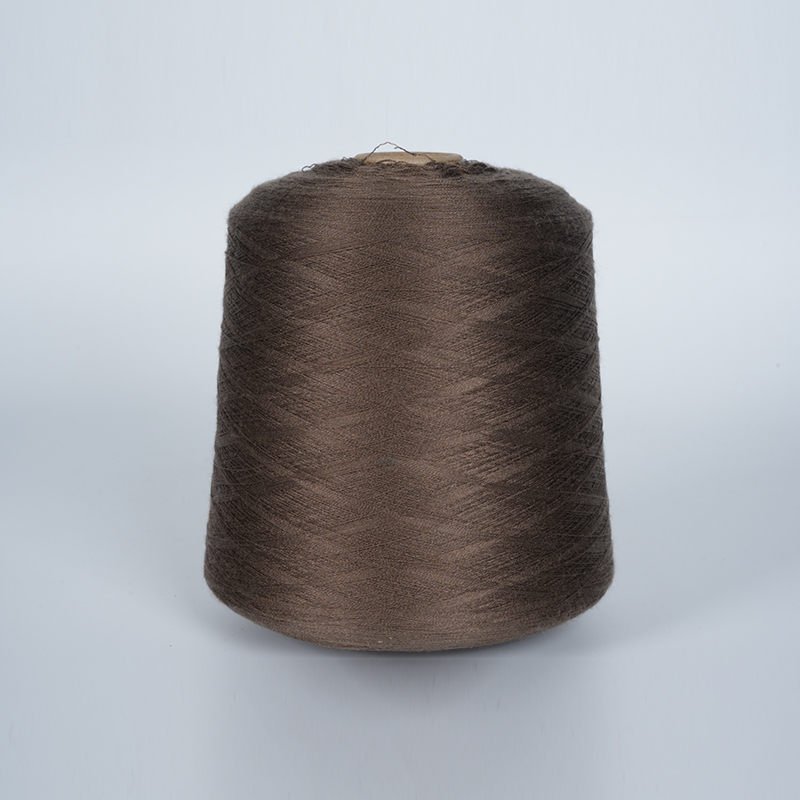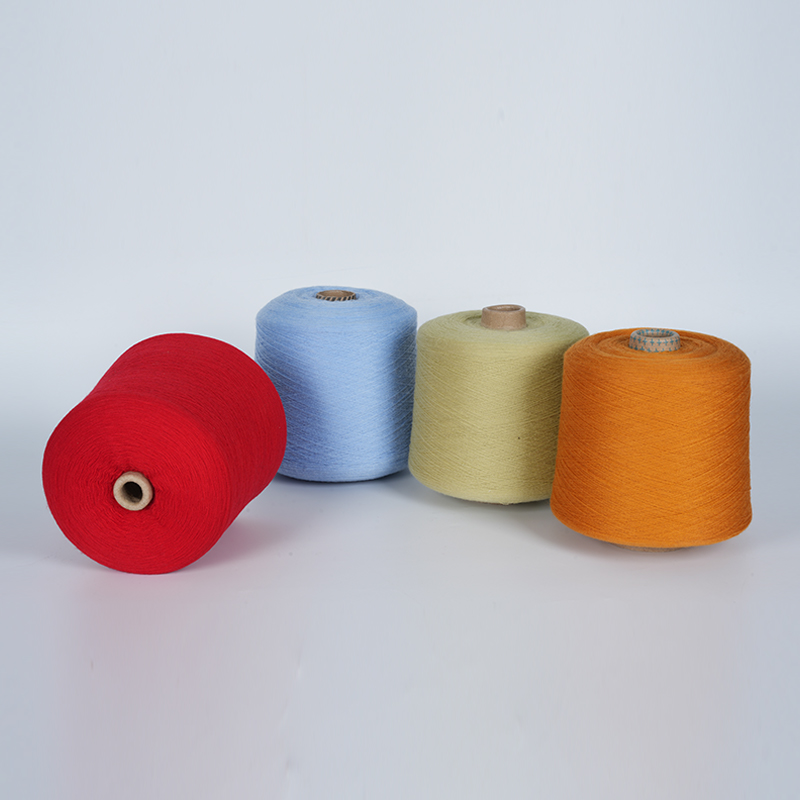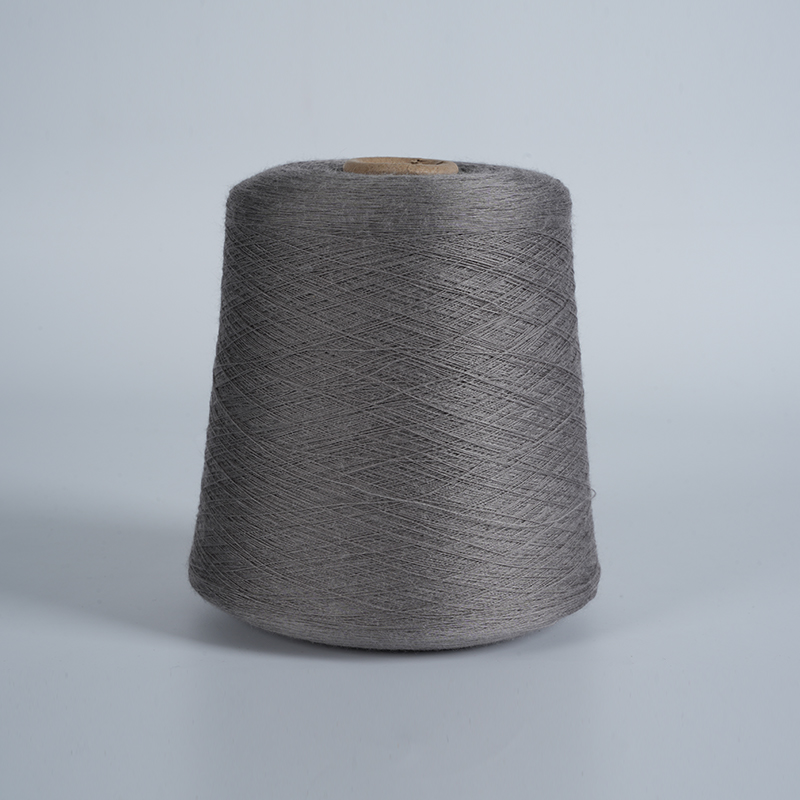
Wool Blend Yarn Guide: Benefits, Blends & Care Tips
Wool blend yarn offers a strategic compromise between the luxurious warmth of natural fibers and the durability, affordability, and ease of care provided by synthetic or plant-based additives. By combining wool with fibers such as acrylic, nylon, alpaca, or cotton, manufacturers create versatile materials that mitigate the drawbacks of pure wool, such as high cost, potential itchiness, and delicate maintenance requirements, while retaining its superior insulation and elasticity.
For knitters and crocheters, the primary advantage of wool blend yarn is its enhanced practicality. Blends are often machine washable, more resistant to pilling, and significantly cheaper than 100% merino or cashmere. This makes them ideal for high-use items like everyday sweaters, children’s clothing, and home decor, where longevity and ease of maintenance are paramount without sacrificing the cozy aesthetic of wool.
Content
The performance of a wool blend yarn is dictated by the specific fibers used and their ratios. Each combination offers unique benefits tailored to different projects and user needs.
This is the most common and economical blend, typically ranging from 50/50 to 80/20 wool-to-acrylic ratios. Acrylic adds bulk and softness while reducing the overall cost. These blends are often machine washable and hypoallergenic, making them suitable for those with mild wool sensitivities. However, they may lack the breathability and moisture-wicking properties of pure wool.
Often used for sock yarns, this combination usually features 75% wool and 25% nylon. The nylon significantly increases abrasion resistance and tensile strength, preventing holes in high-friction areas like heels and toes. The wool component provides warmth and elasticity, ensuring the sock retains its shape after repeated washing and wearing.
Blending wool with luxury fibers like alpaca or cashmere enhances softness and drape. Alpaca adds a silky halo and exceptional warmth, while cashmere provides unmatched softness. These blends are ideal for lightweight garments and accessories but require more delicate care, often needing hand washing to maintain their structure and prevent felting.
| Blend Type | Key Benefit | Best For | Care Level |
|---|---|---|---|
| Wool/Acrylic | Cost-effective, Durable | Everyday Sweaters, Blankets | Easy (Machine Wash) |
| Wool/Nylon | High Strength, Elastic | Socks, Gloves | Moderate |
| Wool/Alpaca | Softness, Warmth | Shawls, Luxury Knits | Delicate (Hand Wash) |
| Wool/Cotton | Breathability, Structure | Spring Garments, Home Decor | Moderate |
While pure wool is prized for its natural properties, wool blends often outperform it in specific functional categories, making them a preferred choice for many modern applications.
Pure wool, especially fine merino, can be prone to pilling and wear over time. The addition of synthetic fibers like nylon or polyester increases the yarn's tensile strength and resistance to abrasion. This results in garments that maintain their appearance longer, even with frequent use. For example, a wool-nylon sock can last 2-3 times longer than a pure wool counterpart under similar conditions.
One of the biggest barriers to using pure wool is its tendency to felt or shrink when exposed to heat and agitation. Many wool blends are treated or engineered to be machine washable, a feature known as "superwash" when applied to wool, but inherently more robust in blends. This convenience makes wool blend yarns practical for busy households and items that require frequent cleaning, such as baby clothes and pet blankets.
Choosing the appropriate wool blend depends on the intended use of the finished item, the wearer’s sensitivity, and the desired maintenance level.
In conclusion, wool blend yarn provides a versatile, durable, and cost-effective alternative to pure wool. By understanding the properties of different fiber combinations, crafters can select the perfect yarn to balance performance, comfort, and care requirements for any project.
 Contact Us
 Products
 Send An E-mail
No. 189 Pengfei Road, Industrial Park, Tudian Town, Tongxiang City, Zhejiang Province, China
 Mobile


 English
 Français
 Español
 عربى
عربى