Natural Blend Yarn Guide: Benefits, Types & Care Tips
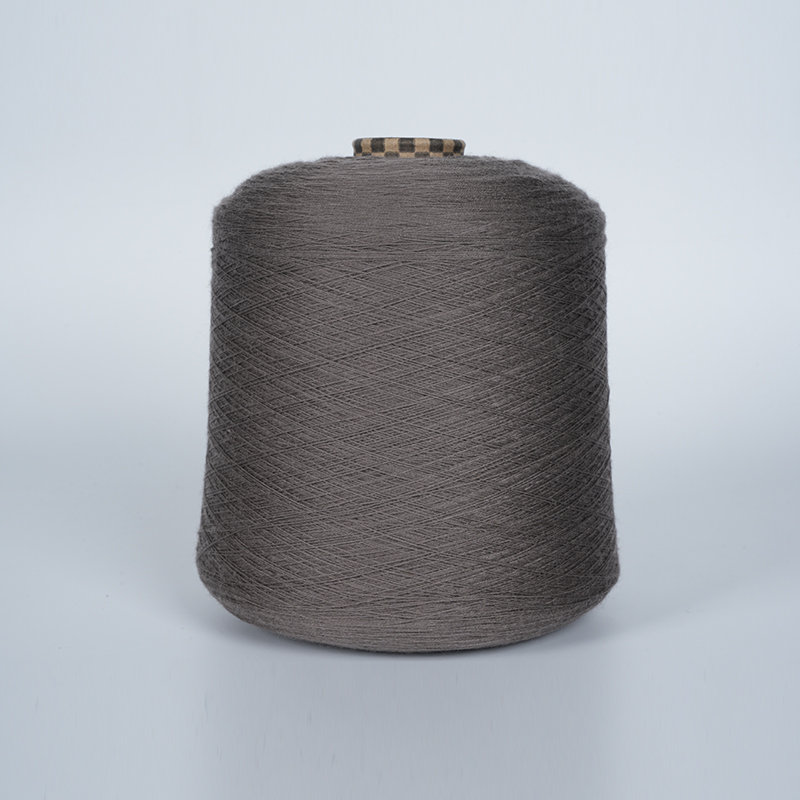
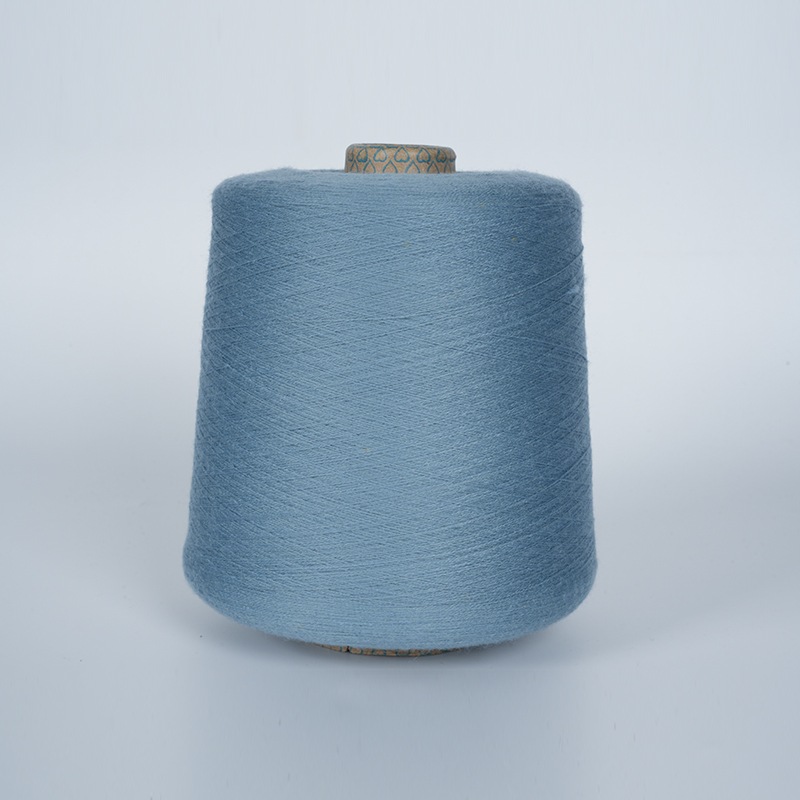
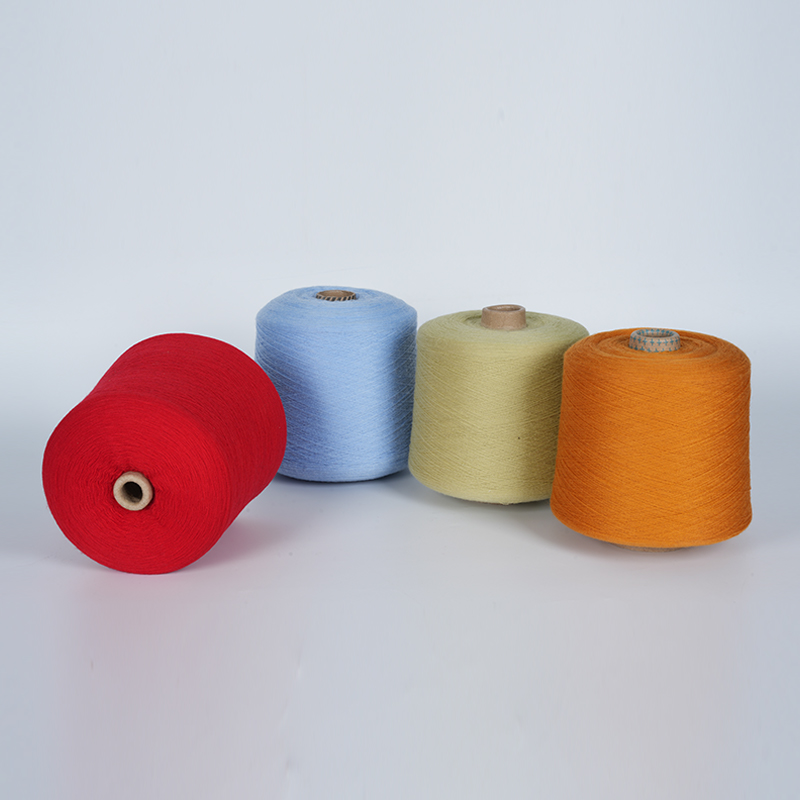
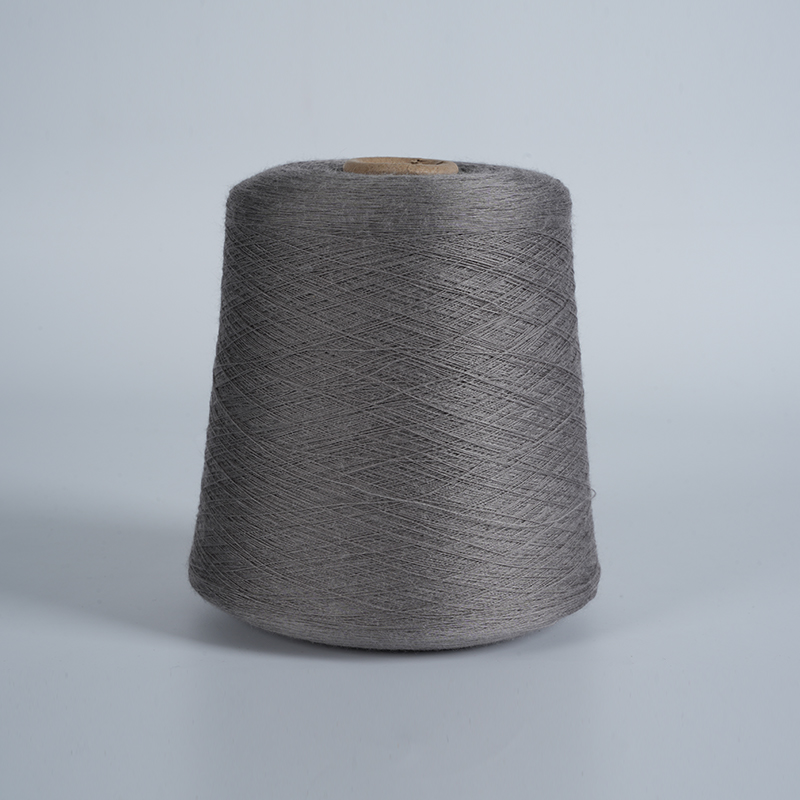
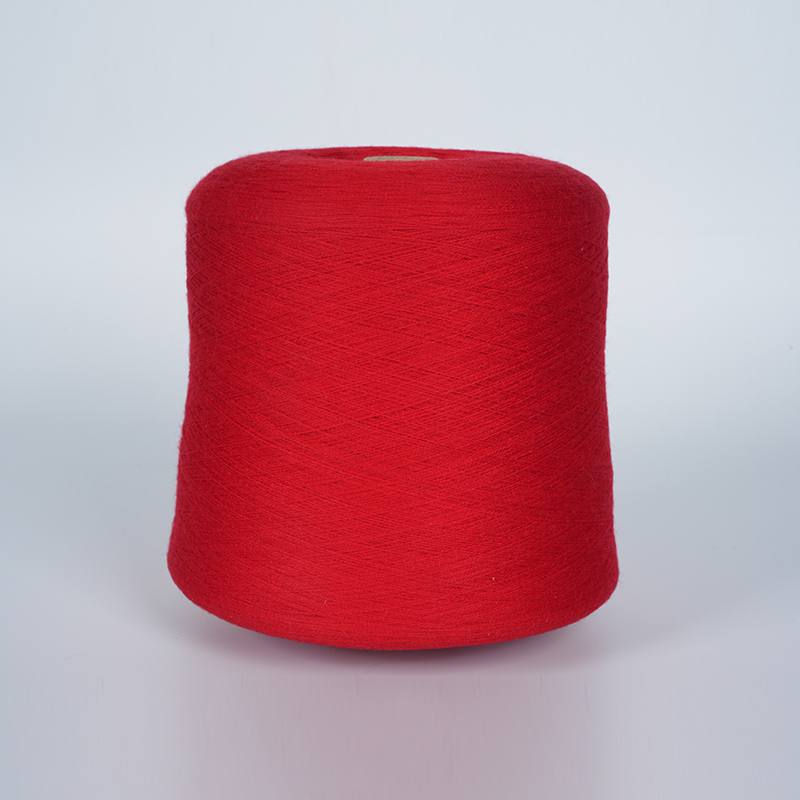
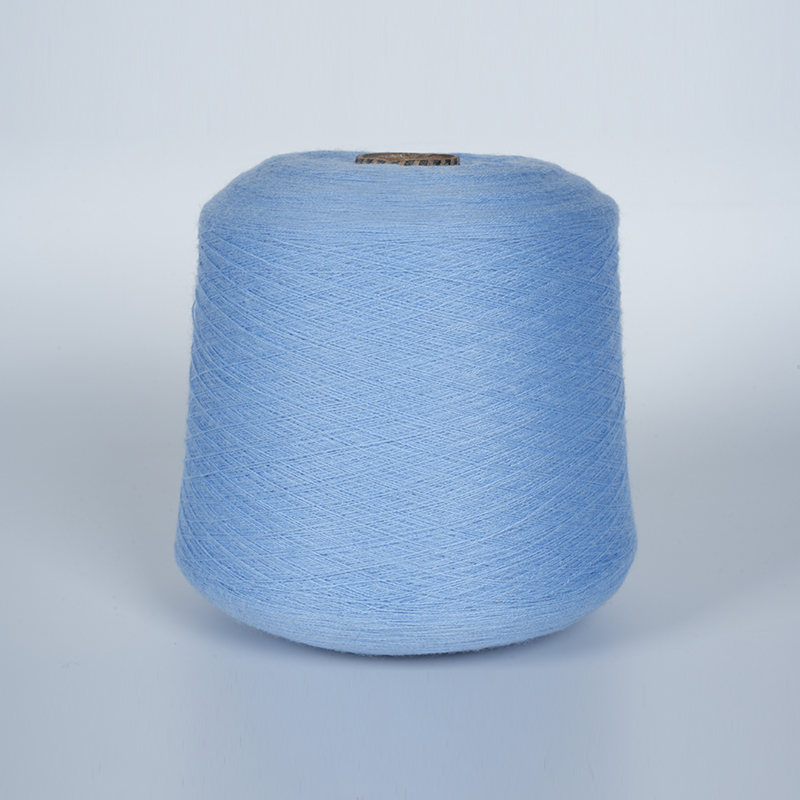
A natural blend yarn combines the best attributes of two or more natural fibers, creating a material that offers superior performance, comfort, and durability compared to single-fiber yarns. By blending fibers such as wool, cotton, silk, alpaca, or linen, manufacturers can mitigate the weaknesses of individual components while enhancing their strengths. For knitters and crocheters, this means access to yarns that are softer than pure wool, more durable than pure silk, and more breathable than synthetic alternatives. The result is a versatile medium that elevates the quality of handmade garments and accessories.
The core advantage of using a natural blend yarn lies in its balanced characteristics. For instance, blending merino wool with nylon adds significant strength and abrasion resistance, making it ideal for socks that must withstand daily wear. Similarly, mixing cotton with linen improves drape and reduces wrinkling, perfect for summer tops. Understanding these synergies allows crafters to select the right yarn for specific projects, ensuring longevity and wearer satisfaction.
Content
Not all blends are created equal. The choice of fibers determines the yarn's texture, warmth, weight, and care requirements. Here are some of the most popular and effective natural blends.
This luxurious blend combines the warmth and elasticity of wool with the sheen and smoothness of silk. The resulting yarn is lightweight yet incredibly warm, with a subtle halo and elegant drape. It is ideal for shawls, lace garments, and high-end sweaters. The silk content adds strength to the wool, reducing pilling and increasing durability. Typically, a 70% wool / 30% silk ratio offers the best balance of cost and performance.
Cotton provides softness and absorbency, while linen adds structure, coolness, and antimicrobial properties. Together, they create a yarn that is perfect for warm-weather clothing. The linen prevents the cotton from becoming limp or stretched out over time, maintaining the garment's shape. This blend is particularly suitable for kitchen towels, summer tunics, and beach cover-ups due to its quick-drying nature and crisp hand feel.
Alpaca fiber is known for its incredible warmth and softness but lacks elasticity. Blending it with merino wool introduces bounce and resilience, preventing the final garment from sagging. This combination is exceptionally soft against the skin, making it hypoallergenic and comfortable for sensitive users. It is an excellent choice for winter hats, scarves, and cozy cardigans.
| Blend Type | Key Characteristics | Best For | Care Level |
|---|---|---|---|
| Wool/Silk | Lustrous, Warm, Strong | Shawls, Luxury Sweaters | Hand Wash |
| Cotton/Linen | Breathable, Crisp, Durable | Summer Tops, Towels | Machine Washable |
| Alpaca/Merino | Soft, Elastic, Hypoallergenic | Winter Accessories | Gentle Hand Wash |
Blending natural fibers is not just about aesthetics; it significantly enhances the functional performance of the yarn. Single-fiber yarns often have inherent limitations that can be corrected through blending.
Pure natural fibers like cashmere or alpaca are incredibly soft but can be fragile and prone to pilling. By blending them with stronger fibers like sheep’s wool or even a small percentage of nylon (though technically synthetic, often grouped in practical blends), the yarn becomes much more resistant to wear and tear. This makes blended yarns more suitable for high-friction areas like heels and elbows.
Natural fibers are inherently breathable, but blends can optimize this property. For example, adding linen to cotton increases airflow and moisture-wicking capabilities, keeping the wearer cooler in humid conditions. Conversely, blending wool with acrylic (a common semi-natural blend) can reduce weight while maintaining warmth, though pure natural blends like wool/silk offer superior temperature regulation without static buildup.
Proper care is essential to maintain the integrity and beauty of garments made from natural blend yarn. While blends are generally more robust than pure fibers, they still require gentle handling to prevent shrinking, felting, or distortion.
By following these care instructions, you can ensure that your handmade items remain beautiful and functional for years to come, preserving the investment of time and materials.
 Contact Us
 Products
 Send An E-mail
No. 189 Pengfei Road, Industrial Park, Tudian Town, Tongxiang City, Zhejiang Province, China
 Mobile


 English
 Français
 Español
 عربى
عربى