Wool Tencel Acrylic Blend Yarn: Benefits, Care & Uses
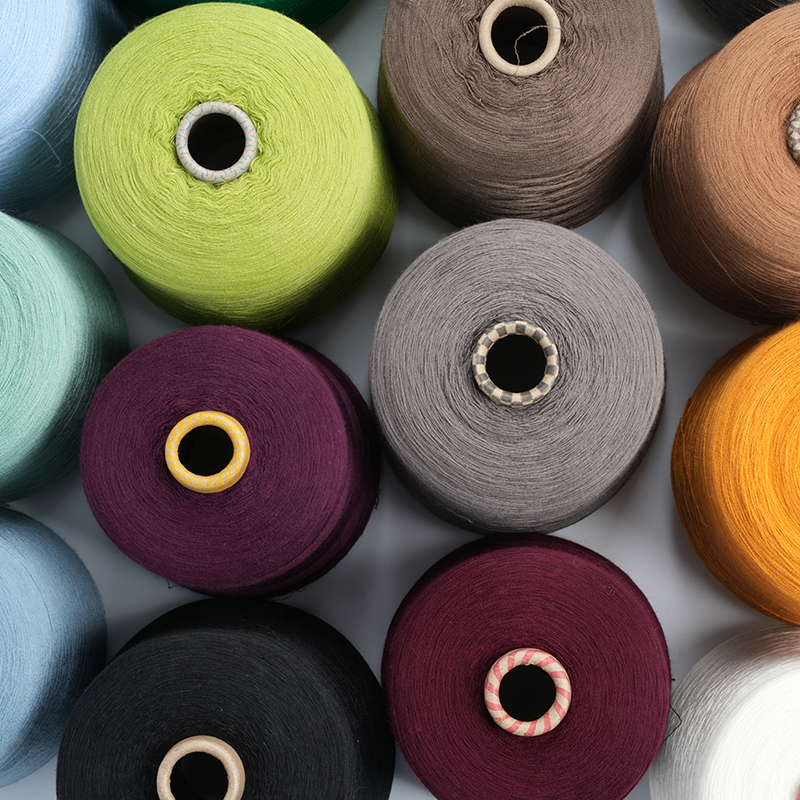
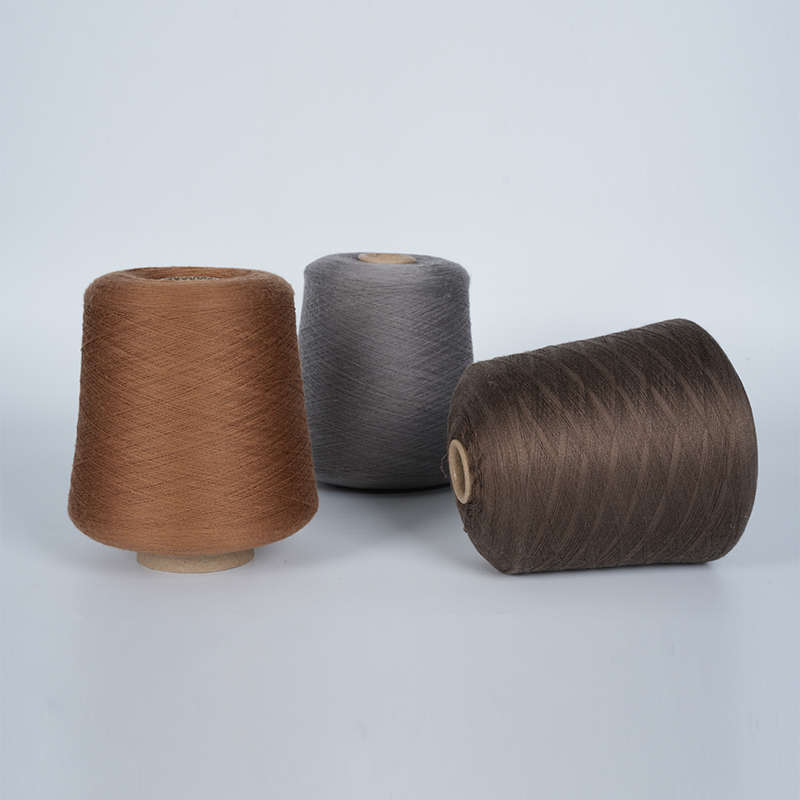
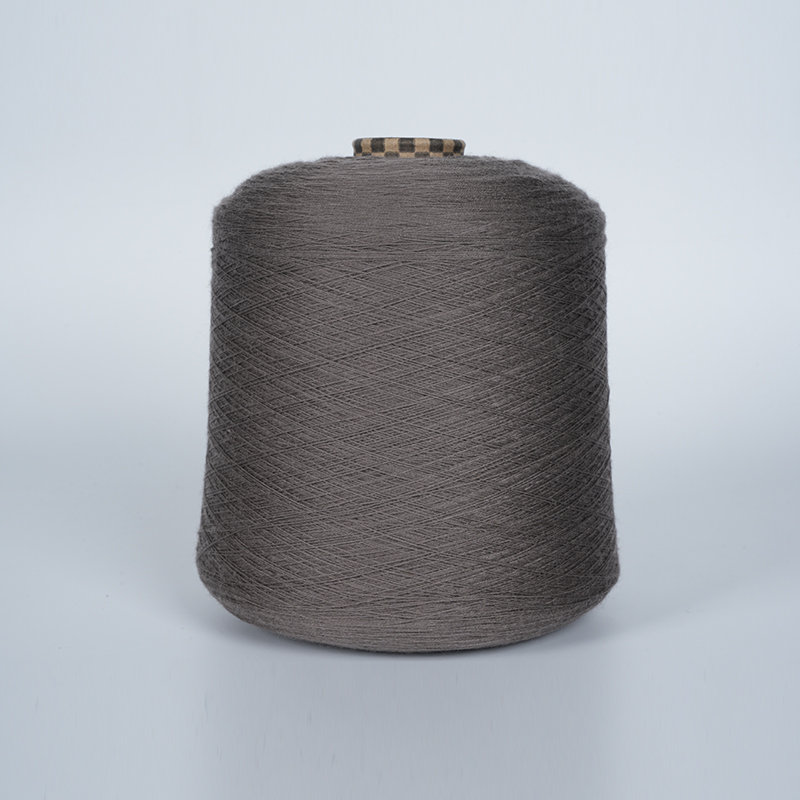
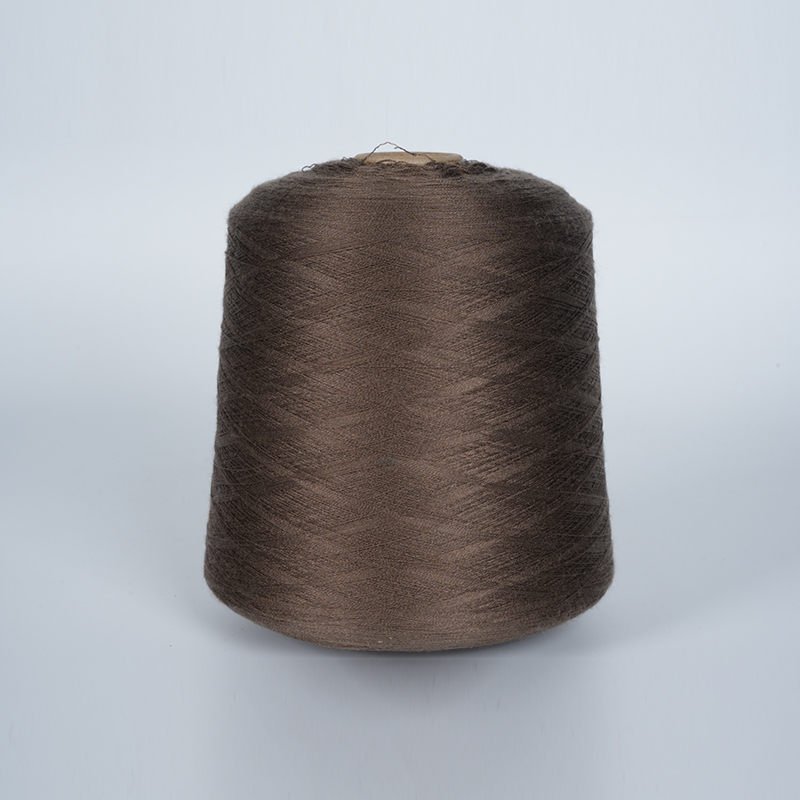
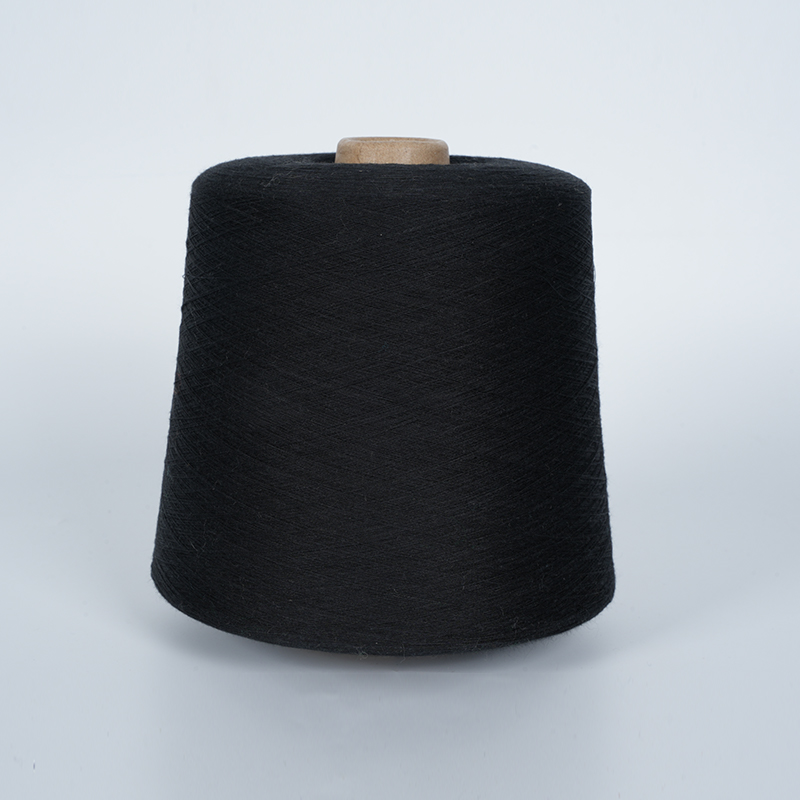
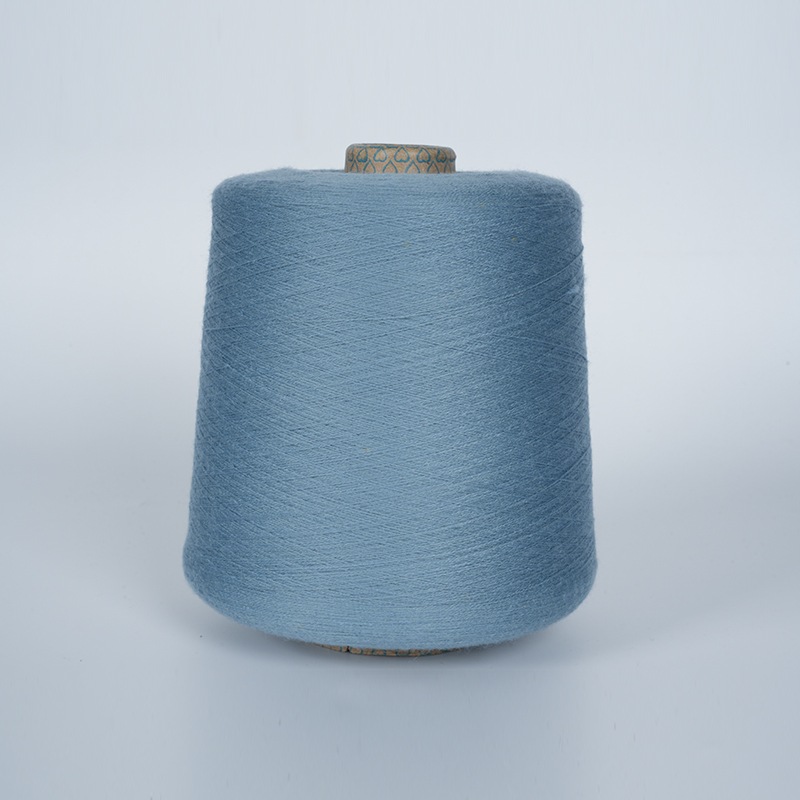
Wool Tencel Acrylic blend yarn represents a sophisticated triad of fiber properties, offering a balanced solution for knitters and weavers who seek warmth without weight, drape without fragility, and ease of care without sacrificing natural feel. By combining the insulating power of wool, the silky smoothness and moisture-wicking capabilities of Tencel (lyocell), and the durability and cost-effectiveness of acrylic, this blend creates a versatile material ideal for year-round garments. The primary advantage is its reduced pilling and enhanced machine-washability compared to 100% wool, while maintaining a premium hand-feel that pure acrylic often lacks.
Content
Understanding the individual contributions of each fiber helps in selecting the right blend ratio for specific projects. Wool provides loft and thermal regulation, trapping air to keep the wearer warm. Tencel, derived from sustainably sourced wood pulp, adds a luxurious sheen and significant tensile strength when wet, which counteracts wool’s tendency to weaken or felt under agitation. Acrylic serves as the structural backbone, providing resilience, shape retention, and color vibrancy.
The performance of the yarn shifts dramatically depending on the percentage of each fiber. A higher wool content increases warmth but may require more delicate care. Conversely, a higher acrylic content enhances durability and reduces cost but may reduce breathability. Tencel acts as the modifier, improving drape and softness in any configuration.
Knitters often report that wool tencel acrylic blends are easier to work with than 100% natural fibers. The acrylic component provides enough "grip" to prevent stitches from slipping off needles accidentally, while the Tencel ensures the fabric blocks beautifully, opening up lace patterns and creating a professional finish. Unlike pure wool, which can be scratchy to sensitive skin, the presence of Tencel and fine-grade acrylic creates a non-irritating surface suitable for direct skin contact.
From a durability standpoint, this blend excels in resisting deformation. Pure wool garments can stretch out over time, especially when heavy, but the resilience of acrylic helps the garment snap back to its original shape. Meanwhile, Tencel’s high wet modulus prevents the sagging often seen in cotton or rayon blends. This makes the yarn particularly suitable for items that undergo frequent wear and washing, such as daily-use cardigans, socks, and accessories.
| Property | 100% Wool | 100% Acrylic | Wool/Tencel/Acrylic Blend |
|---|---|---|---|
| Softness | Variable (Can be itchy) | Soft (Plastic feel) | Silky and Smooth |
| Durability | Moderate (Prone to felting) | High | High (Resists pilling) |
| Care | Hand Wash/Dry Clean | Machine Washable | Machine Washable (Gentle) |
| Drape | Structured/Bulky | Stiff/Light | Fluid and Elegant |
One of the most compelling reasons to choose a wool tencel acrylic blend is its manageable care routine. While 100% wool often demands hand washing and flat drying to prevent shrinkage, the synthetic and regenerated cellulose components in this blend stabilize the structure. However, proper care is still necessary to maintain the integrity of the Tencel fibers, which can be prone to fibrillation (surface fuzzing) if agitated too vigorously.
To ensure longevity, always check the specific label, but general guidelines for this blend include using cold water and a mild detergent. Avoid bleach, as it can damage both the wool and Tencel components. When drying, tumble dry on low heat or lay flat to dry. High heat can cause the acrylic to soften and deform, while excessive wringing can distort the Tencel.
By following these simple steps, garments made from wool tencel acrylic blend yarn can retain their softness, shape, and vibrant color for years, making them a practical and luxurious choice for modern wardrobes.
 Contact Us
 Products
 Send An E-mail
No. 189 Pengfei Road, Industrial Park, Tudian Town, Tongxiang City, Zhejiang Province, China
 Mobile


 English
 Français
 Español
 عربى
عربى