What Is Wool Silk Blend Yarn & How to Source It
Content
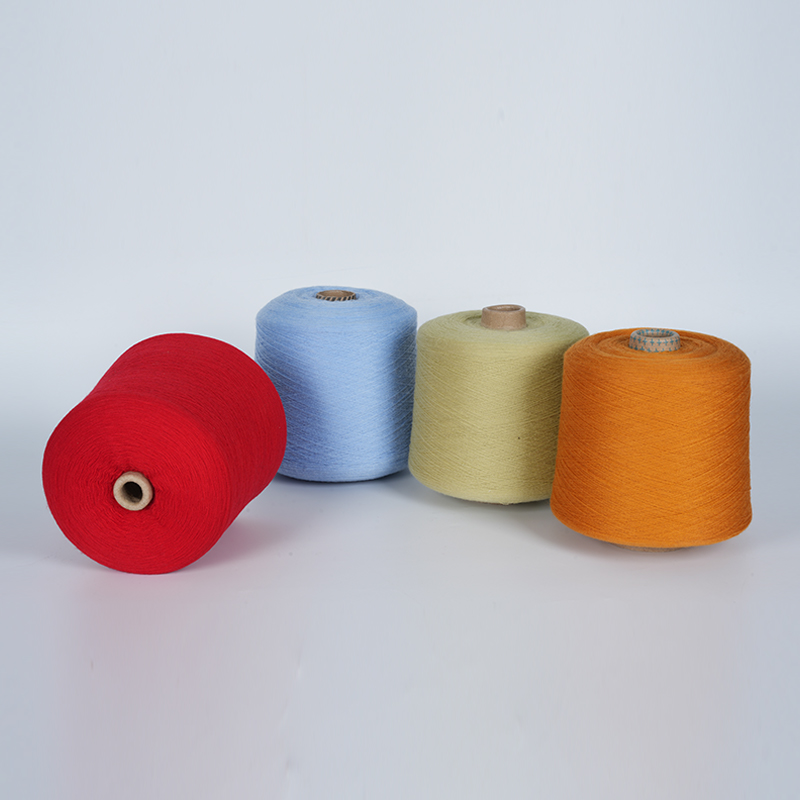
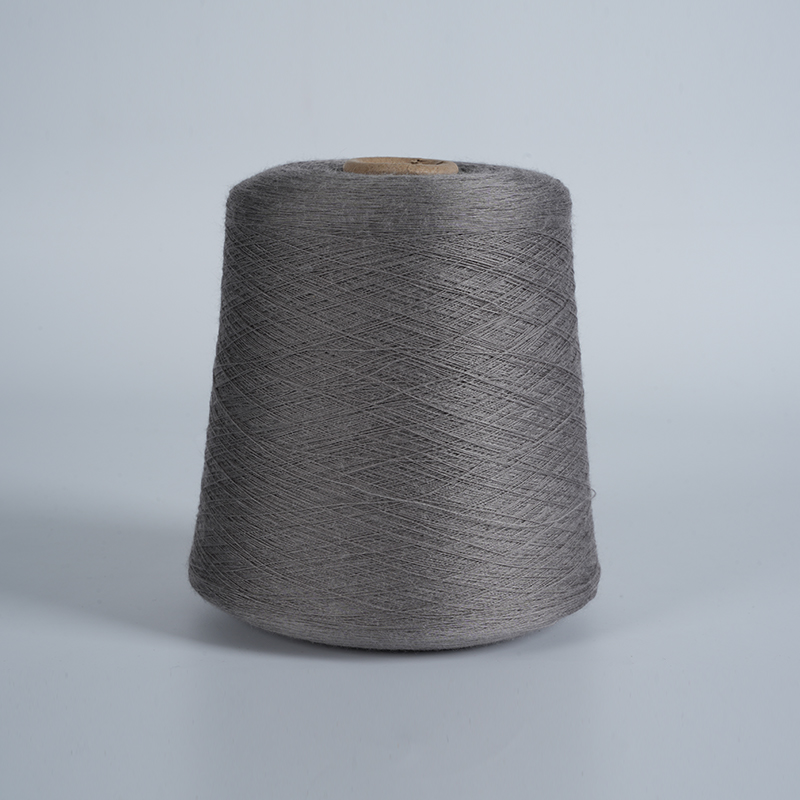
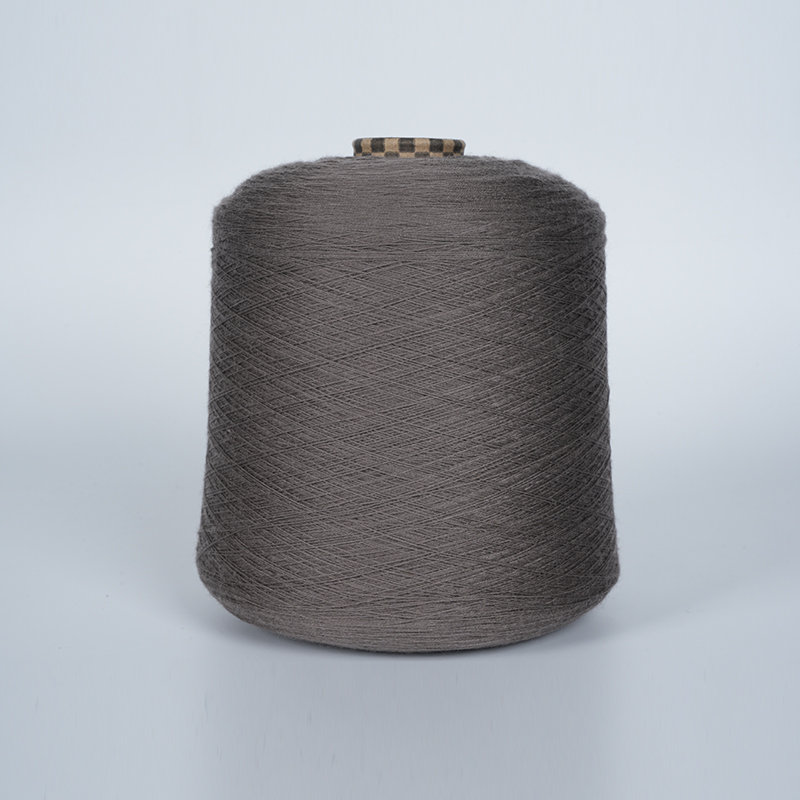
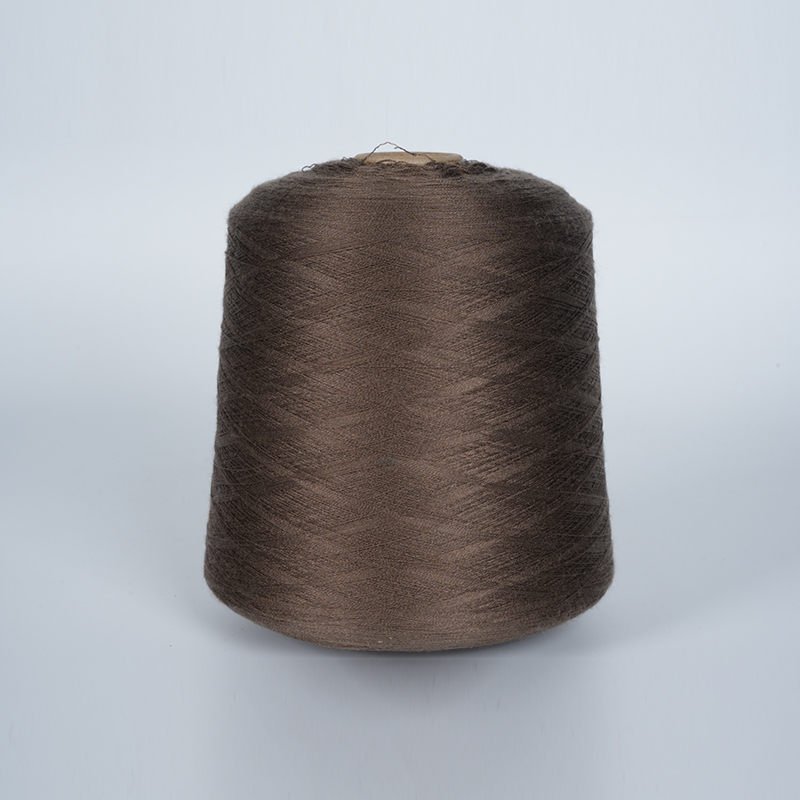
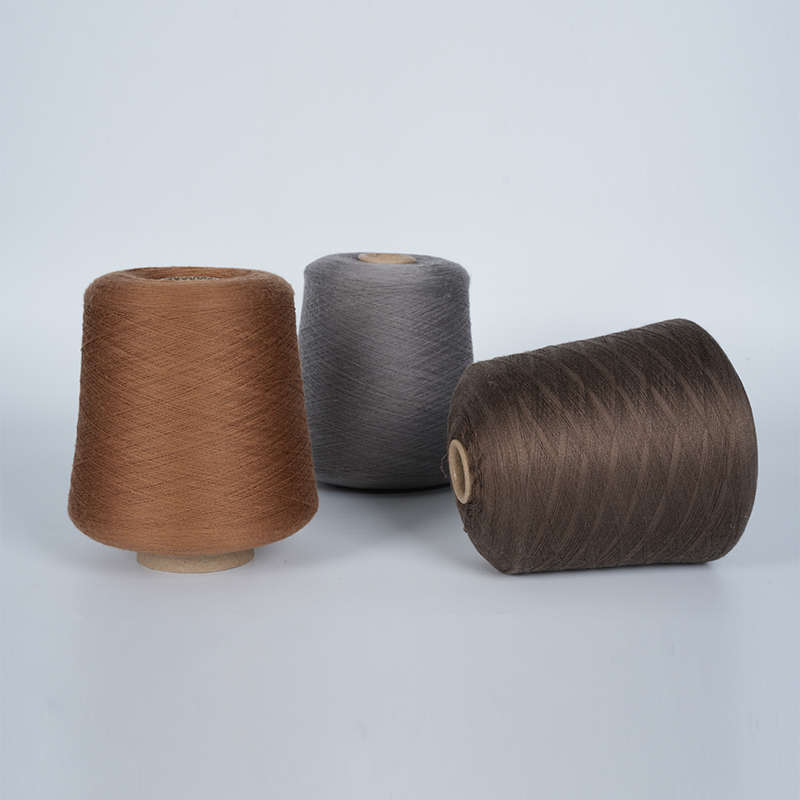
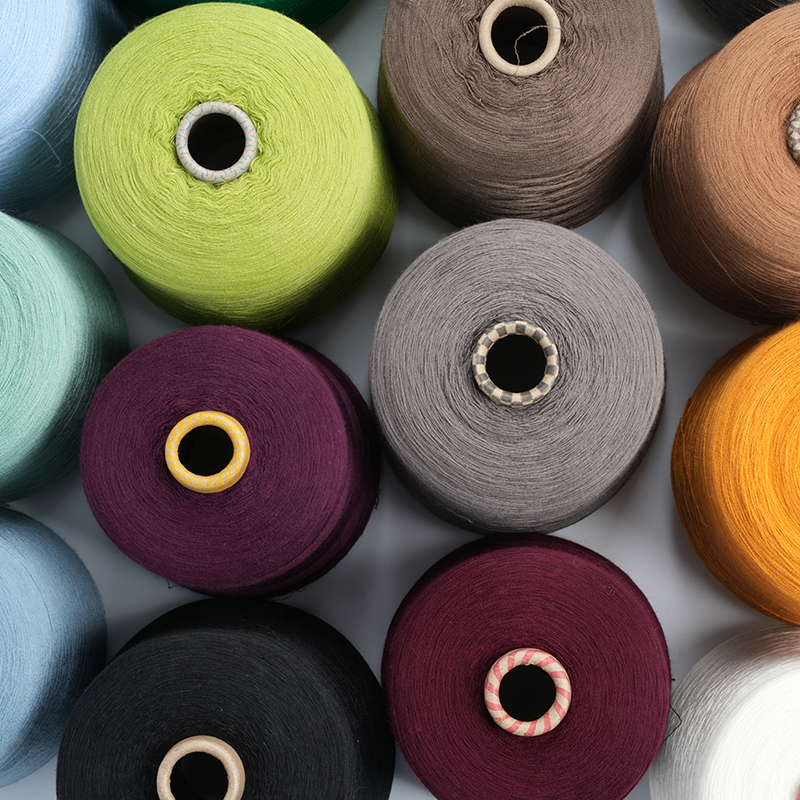
Wool silk blend yarn is a premium textile fiber produced by combining natural wool — most commonly fine merino or superwash-treated wool — with mulberry silk in a controlled spinning process. The result is a yarn that carries the best functional properties of both fibers: the thermal regulation and elasticity of wool, and the natural luster, strength, and smooth drape of silk.
In worsted spinning — the production method used for high-quality apparel yarns — wool and silk fibers are blended at the top-making stage before drafting and twisting. This ensures the two fiber types are evenly distributed throughout the yarn's cross-section, rather than simply twisted together at the surface. The outcome is a consistent, smooth yarn with predictable dyeing behavior and stable mechanical properties across production lots.
For fashion brands, knitwear manufacturers, and textile buyers seeking a yarn that elevates garment quality without moving entirely into cashmere price territory, wool silk blend yarn represents a compelling balance of luxury, performance, and commercial viability.
Understanding why wool and silk complement each other so effectively starts with the structural differences between the two fibers.
Wool fiber — particularly fine merino with a diameter of 17–21 microns — has a naturally crimped, scaly surface structure. These microscopic scales interlock during spinning to create a cohesive yarn with excellent elasticity, moisture-wicking capability, and thermal insulation. Wool can absorb up to 30% of its weight in moisture without feeling wet, making it exceptional for next-to-skin comfort across varying temperatures. Its natural crimp also gives knitted and woven fabrics dimensional recovery — the ability to return to shape after stretching or compression.
Silk, produced from the continuous filament of the Bombyx mori silkworm cocoon, has an entirely different physical profile. Its triangular cross-section acts as a prism, scattering and reflecting light to create the distinctive sheen associated with luxury textiles. Silk is also exceptionally strong for its weight — its tensile strength rivals that of steel at equivalent diameter — and its smooth surface structure contributes directly to the fluid drape and low-friction handfeel characteristic of silk-containing fabrics.
When blended together, these two fibers address each other's weaknesses. Silk's smooth filaments reduce the surface friction of wool, lowering the prickle sensation that some consumers associate with wool garments. Wool's crimp and elasticity give structure to silk's natural tendency toward limpness, producing a yarn that holds stitch definition while still achieving graceful drape. The result is a premium wool yarn experience elevated by the luminosity and fluidity that only silk can provide.
The proportion of silk in a wool silk blend is not a single fixed value — it is an engineering decision with direct consequences for yarn behavior, garment aesthetics, and production cost. Understanding these trade-offs is essential for brands developing seasonal collections or making sourcing decisions.
| Silk Content | Luster & Sheen | Drape | Elasticity | Typical Application |
|---|---|---|---|---|
| 10–20% | Subtle enhancement | Slightly improved | High (wool-dominant) | Classic knitwear, sportswear-adjacent |
| 25–35% | Visible, refined sheen | Balanced fluidity | Good | Fashion sweaters, premium accessories |
| 40–50% | Strong, silk-forward luster | Excellent drape | Moderate | Luxury garments, fine scarves, eveningwear |
A 20% silk inclusion is often the entry point for brands seeking improved handfeel and surface appearance without significantly altering the structural behavior of the yarn. At 30%, the shift in drape and sheen becomes commercially meaningful — visible to end consumers and marketable as a differentiating feature. Blends at 50% silk and above move into a distinctly luxury positioning, with characteristics that approach pure silk in terms of fluidity and light reflection, while retaining the warmth and stitch definition of wool.
Dyeing behavior also shifts with silk content. Because wool and silk have different dye affinities, higher silk proportions require more precise dye bath management to achieve consistent color depth across both fiber types. Working with a spinner that controls this process in-house — with calibrated lab dip protocols and lot-to-lot shade consistency checks — is critical for brands requiring repeatable color standards across multiple production runs.
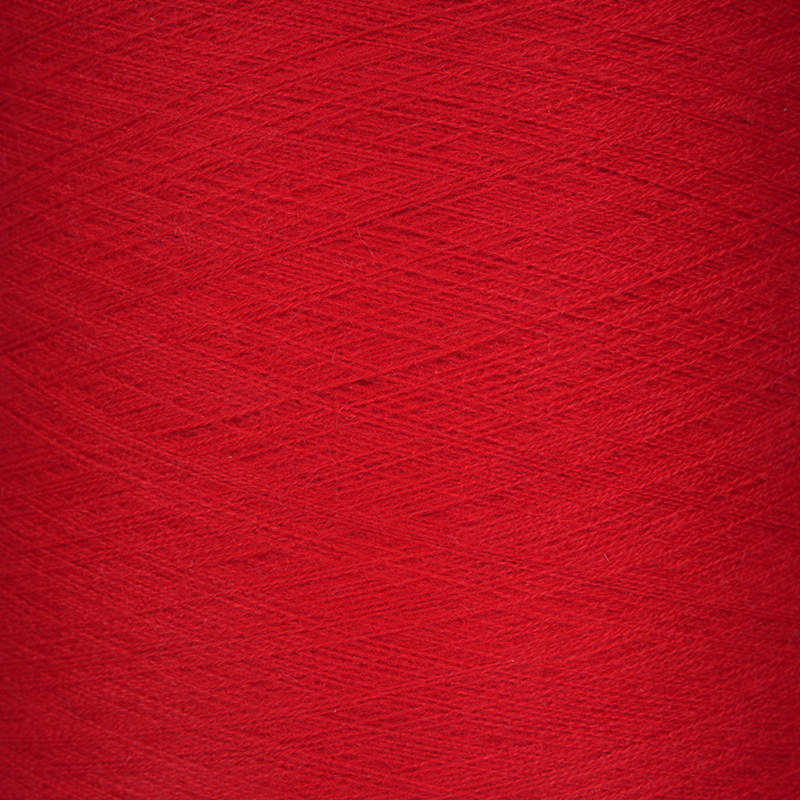
The versatility of wool silk blend yarn makes it suitable across a broad range of apparel and accessories categories. Its combination of warmth and drape suits transitional season collections particularly well — garments that need to perform in cooler temperatures while maintaining the refined aesthetic of warmer-weather styles.
In fine knitwear, wool silk blend is a favored choice for lightweight sweaters, turtlenecks, and cardigans where surface quality is a primary purchase driver. The silk content elevates the perceived value of the finished garment and improves its performance on the retail floor, where tactile evaluation is a key part of the buying decision. For woven fabric applications — fine dress fabrics, suiting linings, and lightweight coating — the blend's smoothness and luster translate directly into a fabric that photographs well and retains its appearance through repeated wear cycles.
High-end accessories — wraps, stoles, scarves, and fine knit gloves — represent another major end-use segment. Here, the combination of wool's thermal performance with silk's drape and sheen addresses consumer expectations for both comfort and occasion-appropriate elegance. Our broader refined blend yarn portfolio includes complementary options for brands building a full multi-fiber accessories range.
For procurement teams and product development managers, specifying wool silk blend yarn requires attention to several parameters beyond the fiber ratio alone. The following criteria distinguish a reliable commercial supply from a sample that performs well but fails in production scale-up:
Brands whose product line extends beyond silk blends may also consider wool cashmere protein fiber yarn as a complementary luxury option — offering a different softness and warmth profile suited to a distinct product tier within the same collection architecture.
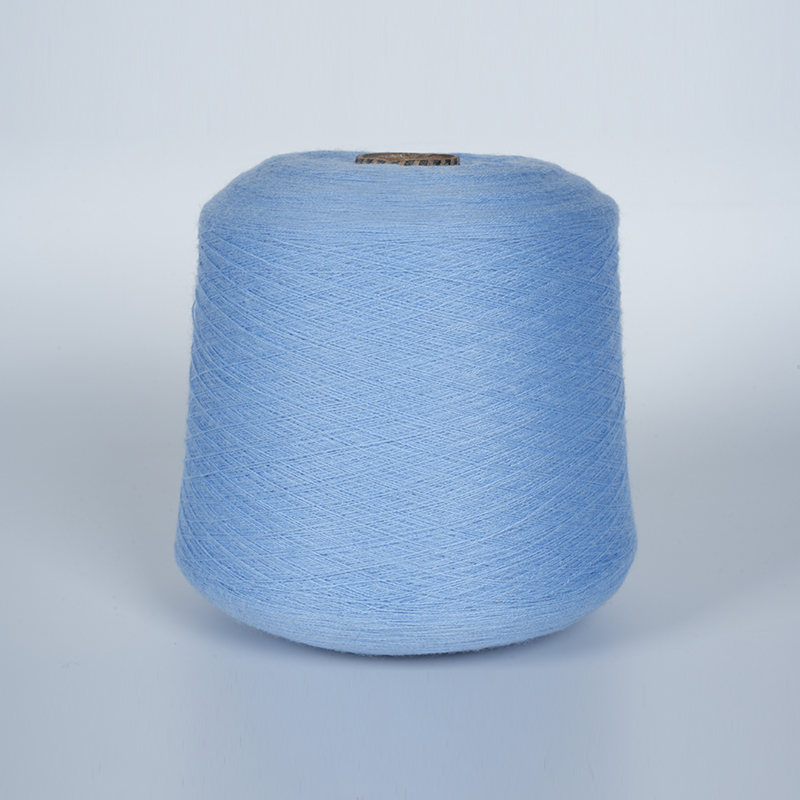
Established in 2003 in Tongxiang, Zhejiang — a region with deep historical roots in both silk and wool textile production — HUAFU Textile Co., Ltd. has built its reputation as a focused worsted yarn specialist. Unlike multi-category textile mills that treat yarn as one segment among many, HUAFU's entire production capability is concentrated on worsted spinning, which translates directly into depth of expertise and process consistency that generalist suppliers cannot match.
HUAFU operates an in-house laboratory equipped with internationally certified testing instruments, enabling the company to validate fiber blend ratios, yarn mechanical properties, color fastness, and pilling performance before shipment — and to provide documentation that supports buyers' quality assurance and compliance workflows. This internal testing capability is particularly important for wool silk blend yarns, where the interaction between two chemically distinct fiber types creates more variables to control than single-fiber products.
For OEM and private-label customers, HUAFU supports custom blend ratio development, count specification, and colorway creation aligned to seasonal collection briefs. The company's proximity to Shanghai Port — approximately 95 kilometers — ensures efficient export logistics for international buyers managing lead-time-sensitive production schedules.
Whether you are developing a new luxury knitwear line, expanding an existing accessories range, or seeking a consistent bulk supply of wool silk blend yarn for ongoing production, HUAFU provides the technical depth, quality documentation, and manufacturing flexibility that long-term partnerships require.
 Contact Us
 Products
 Send An E-mail
No. 189 Pengfei Road, Industrial Park, Tudian Town, Tongxiang City, Zhejiang Province, China
 Mobile


 English
 Français
 Español
 عربى
عربى