Natural Blend Yarn: Types, Benefits, and How to Choose the Right Fiber Mix
Content
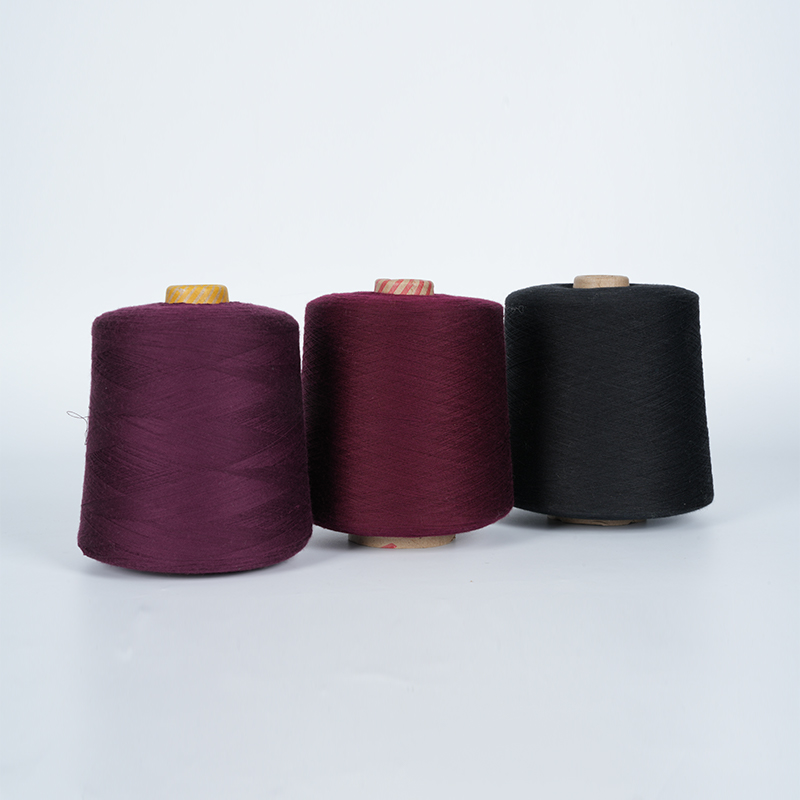
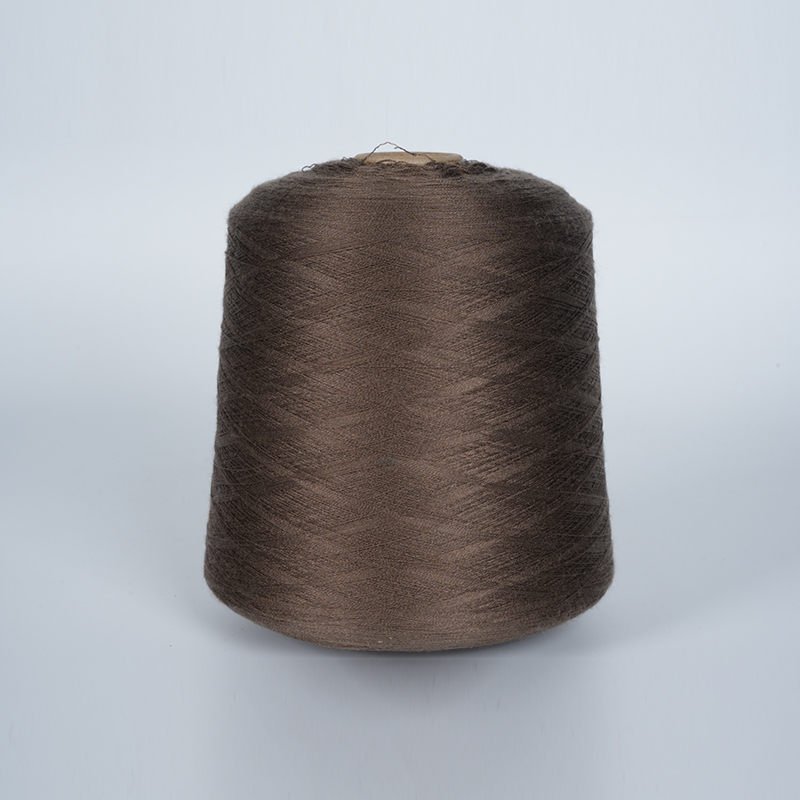
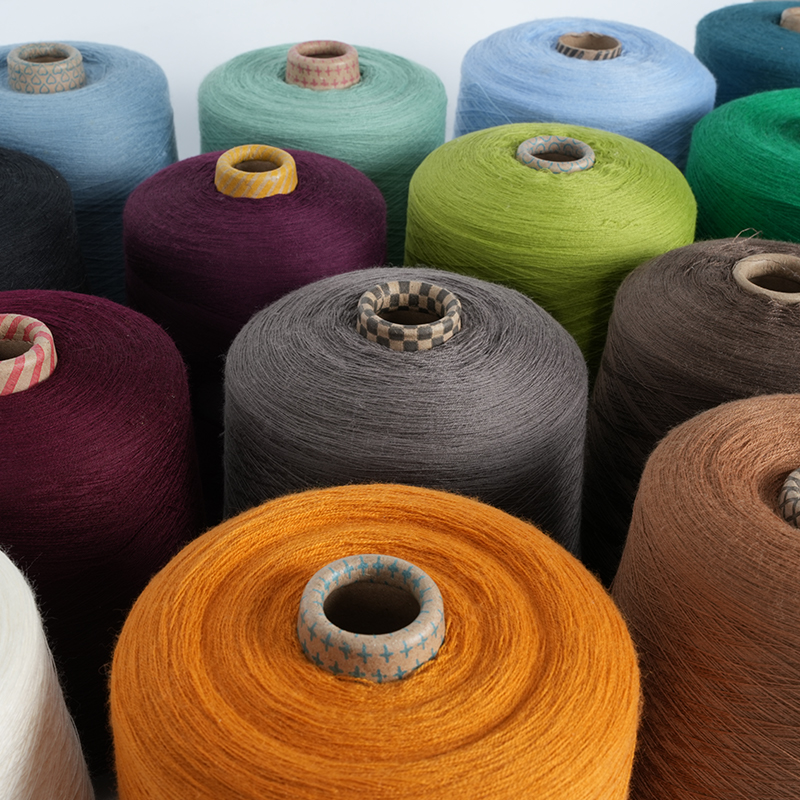
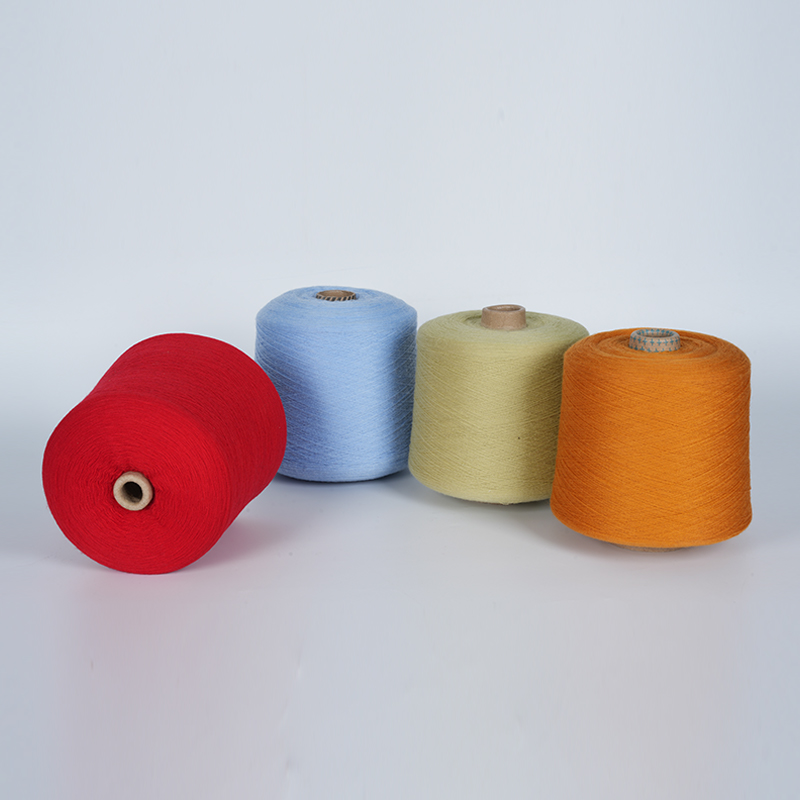
Natural blend yarn is produced by combining two or more fibers of natural origin — drawn from animal sources such as wool, silk, or cashmere, or from plant sources such as cotton, linen, or ramie — into a single spun yarn. The goal of blending is not compromise but optimization: each fiber in the mix contributes its most valuable performance attributes, while its individual weaknesses are offset by the complementary properties of its blend partner.
Unlike blends that incorporate synthetic components, natural blend yarn relies entirely on renewable, biodegradable raw materials. This places it at the intersection of two powerful market drivers: consumer demand for high-performance textiles and the growing preference for environmentally responsible fiber sourcing. For garment manufacturers, knitwear brands, and fabric developers, natural blends offer a technically compelling and commercially relevant product category.
The performance outcome of any natural blend is shaped by three interdependent variables: the fiber types selected, their proportional ratio in the blend, and the spinning method used to process them. Small adjustments to any of these parameters produce meaningfully different results in hand feel, drape, durability, and care behavior — which is why precision in blend engineering is the differentiating factor between commodity yarns and high-value textile inputs.
Single-fiber yarns, however premium, carry inherent limitations. Pure wool offers exceptional warmth and elasticity but can feel prickly against sensitive skin at coarser micron counts and may require careful hand-washing. Pure cotton is breathable and cool to wear but lacks elasticity, tends to wrinkle, and provides minimal thermal insulation. Pure silk is extraordinarily lustrous and smooth but is delicate, expensive, and prone to slippage during knitting or weaving.
Blending resolves these trade-offs at the fiber level, before the yarn even reaches a loom or knitting machine. A well-engineered natural blend can simultaneously deliver the warmth of wool, the breathability of plant fiber, the luster of silk, and the structural integrity needed to survive repeated laundering and wear. This multi-attribute performance profile is what makes natural blend yarns the preferred specification for mid-to-premium garment lines across global fashion and apparel markets.
From a manufacturing perspective, blending also enables cost optimization without sacrificing quality. Introducing a proportion of plant-based fiber into a wool-dominant blend reduces raw material cost while opening the yarn to a broader climate range — making the finished garment commercially viable across more selling seasons and geographies.
The most commercially established natural blend configurations each address a distinct end-use profile. Understanding the performance logic behind each combination is essential for specifying the right yarn for a given product category.
Wool and silk are among the most complementary fiber pairings available in the natural category. Wool contributes warmth, elasticity, and resilience — its crimped structure traps air and gives the spun yarn its characteristic loft. Silk introduces a smooth, flat filament surface that reduces the prickle sensation of wool at the skin interface, increases tensile strength, and imparts a characteristic luminous sheen to the finished fabric. The result is a yarn that wears with the comfort of silk and the functional performance of wool — particularly valued in fine knitwear, luxury suiting fabrics, and dress-weight outerwear.
Typical blend ratios for wool silk blend yarn range from 70/30 to 85/15 wool-to-silk, with higher silk proportions delivering more pronounced luster and drape at the cost of some elasticity. The combination dyes exceptionally well, producing rich, saturated colorways that are difficult to achieve with single-fiber wool yarn alone.
Ramie is one of the strongest natural plant fibers, with a tensile strength reported to be several times that of cotton. Its primary challenge as a standalone fiber is brittleness — pure ramie yarn is prone to cracking under repeated flexion. Blending with combed cotton resolves this limitation directly: cotton contributes softness, flexibility, and spinning consistency, while ramie provides structural strength, a natural silkiness, and excellent moisture absorption.
The resulting cotton combed ramie yarn is particularly well-suited to spring and summer knitwear, lightweight wovens, and technical textiles where breathability and dimensional stability are both required. The use of combed cotton — rather than carded — in this blend is significant: combing removes short fibers and parallelizes the longer staple, yielding a smoother, cleaner yarn surface and improved dye uptake uniformity.
Cashmere's ultra-fine fiber diameter (typically 14–16 microns) produces an exceptionally soft hand, but pure cashmere is expensive and can pill with wear. Blending with fine wool extends the raw material budget while preserving most of the tactile softness, and the wool's natural crimp improves pilling resistance by adding structural cohesion to the yarn. These blends are the backbone of the accessible luxury knitwear segment globally.
| Blend Type | Key Performance Attributes | Primary Applications |
|---|---|---|
| Wool + Silk | Luster, softness, warmth, strength | Fine knitwear, luxury suiting, dress fabrics |
| Cotton + Combed Ramie | Breathability, strength, moisture wicking | Summer knitwear, lightweight wovens, activewear |
| Wool + Cashmere | Ultra-soft hand, warmth, accessible luxury | Premium knitwear, scarves, outerwear linings |
| Wool + Linen | Structure, breathability, seasonal versatility | Spring/autumn suiting, tailored knitwear |
| Wool + Cotton | Elasticity, comfort, reduced shrinkage | Everyday knitwear, babywear, all-season basics |
The fiber blend ratio is the primary lever for tuning yarn performance, but it does not operate independently. Two yarns with an identical 80/20 wool-silk ratio can behave very differently depending on the twist level applied during spinning, the fiber diameter of the wool component, and the count of the finished yarn.
In worsted spinning — the most relevant process for premium natural blend yarns — fibers are combed to align parallel before spinning. This produces a smooth, compact yarn with a clean surface, high luster, and excellent dimensional stability after washing. The worsted route is well-suited to natural blends that include long-staple plant fibers like ramie, or filament fibers like silk, because it allows these components to be integrated with wool without disrupting the alignment of the fiber mass.
Twist level is equally critical. Higher twist produces a harder, more durable yarn with reduced pilling tendency — appropriate for outerwear and high-wear applications. Lower twist creates a softer, loftier hand with greater surface texture — preferred for next-to-skin knitwear where comfort takes priority over abrasion resistance. For natural blends, the twist multiplier must be calibrated separately for each fiber combination because different fibers have different friction coefficients and respond differently to torsional stress during spinning.
Buyers sourcing natural blend yarn for commercial production should specify not only the fiber ratio and yarn count but also the target twist level, ply configuration, and finishing treatment. When these parameters are aligned from the outset, color consistency, fabric behavior, and lot-to-lot repeatability all improve substantially. Referencing a manufacturer's premium wool yarn range alongside their natural blend offerings can also clarify how fiber quality standards are applied consistently across product lines.
The sustainability profile of natural blend yarn is a genuine commercial asset, not merely a marketing narrative. All constituent fibers in a true natural blend are biodegradable at end of life, which places finished products made from these yarns in a favorable position relative to blended fabrics containing polyester, nylon, or other petroleum-derived synthetics that shed microplastics during washing and resist decomposition in landfill.
Plant-based fiber components — particularly cotton and ramie — are renewable resources that can be cultivated on shorter crop cycles than tree-based materials, and the growing adoption of organic certification programs for cotton in particular provides a supply chain pathway for brands targeting the premium sustainable segment.
Animal fibers in natural blends, including wool and silk, are renewable and traceable to specific livestock and production systems. When sourced from suppliers operating under recognized welfare and environmental standards, they carry credible sustainability credentials that support brand storytelling and meet the documentation requirements of increasingly stringent supply chain due diligence legislation in key export markets.
For manufacturers evaluating the full sustainability impact of their yarn specification, innovative comfort wool yarn lines that incorporate advanced fiber processing techniques — reducing water consumption and chemical usage in finishing — represent a further step toward comprehensive supply chain sustainability.
For garment manufacturers, knitwear brands, and private label buyers sourcing natural blend yarn at commercial scale, technical specifications are necessary but not sufficient. The following criteria determine whether a supplier can consistently deliver quality across production volumes:
Natural blend yarn occupies a high-value position in the global textile supply chain precisely because it delivers what neither single-fiber yarn nor synthetic blends can match: the authentic performance, sustainability credentials, and sensory qualities of natural materials, engineered to exceed the limitations of any individual fiber working alone. For brands and manufacturers building product lines where quality, differentiation, and responsible sourcing are commercial priorities, natural blend yarn is not a compromise — it is the specification of choice.
Whether the application calls for the luminous drape of a wool-silk knit, the breathable strength of a cotton-ramie summer fabric, or the gentle warmth of a cashmere-wool blend, the right natural fiber combination — precisely spun and rigorously tested — delivers outcomes that are both technically reliable and commercially compelling.
 Contact Us
 Products
 Send An E-mail
No. 189 Pengfei Road, Industrial Park, Tudian Town, Tongxiang City, Zhejiang Province, China
 Mobile


 English
 Français
 Español
 عربى
عربى