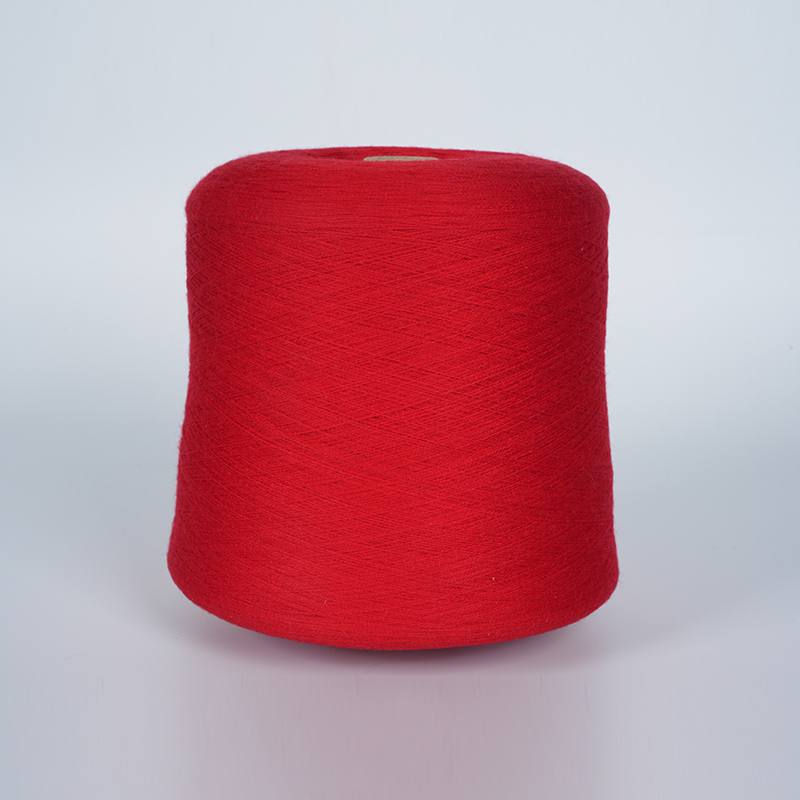
Wool Silk Blend Yarn: Benefits, Uses & Care Guide
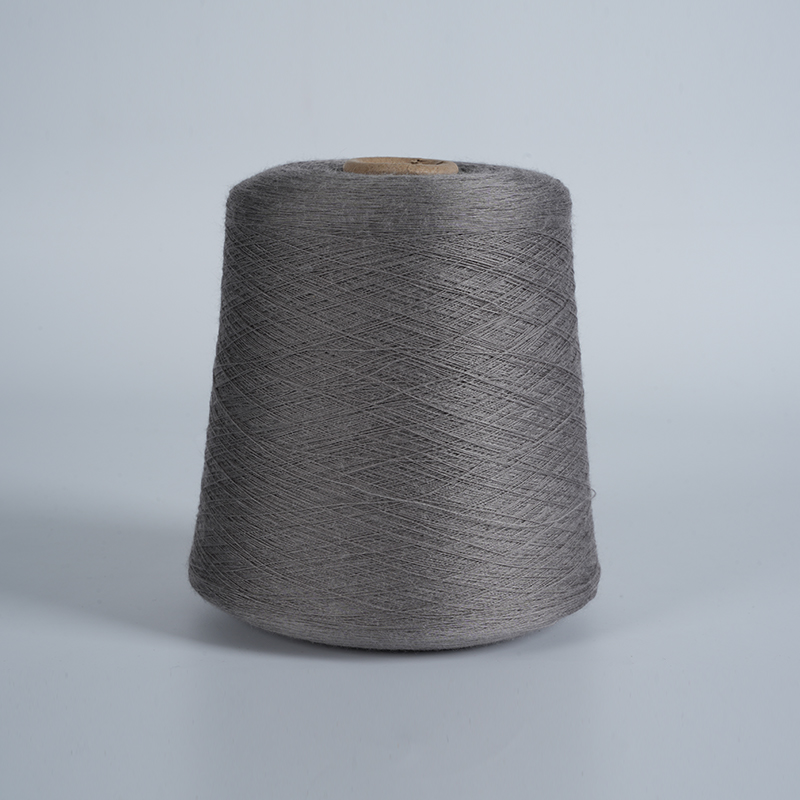
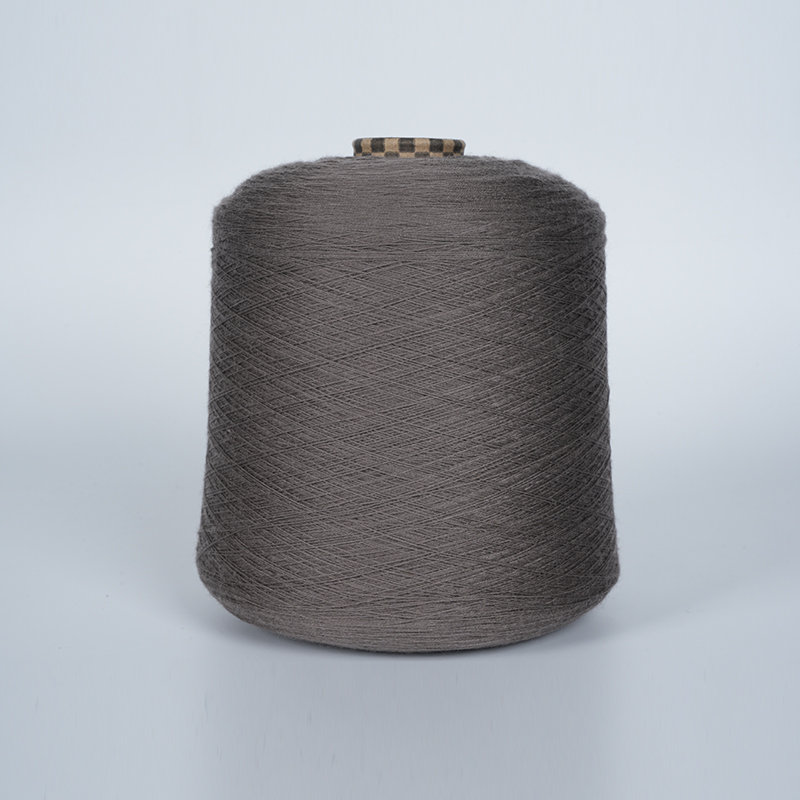
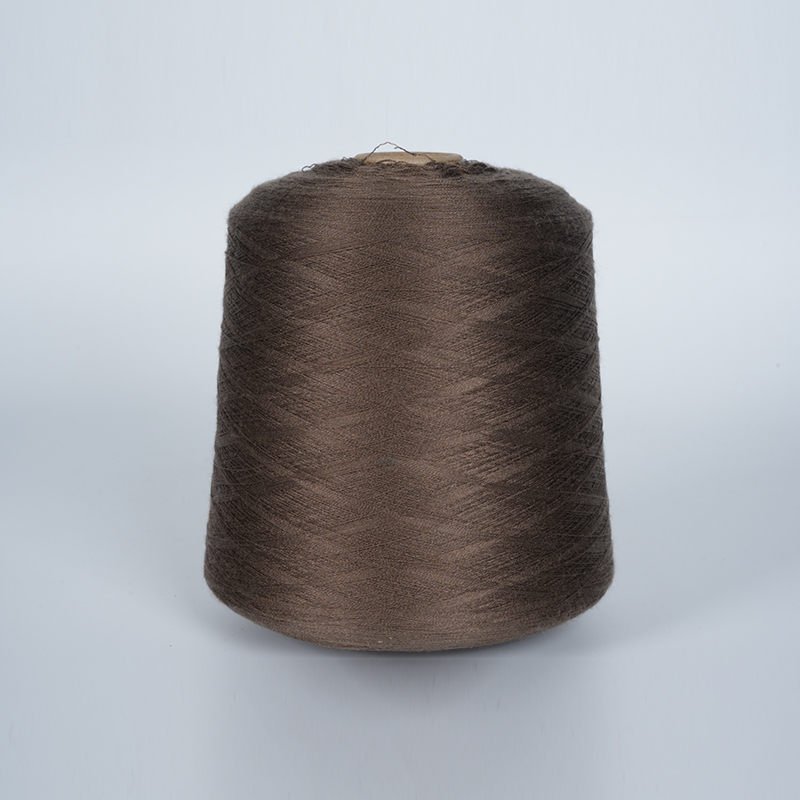
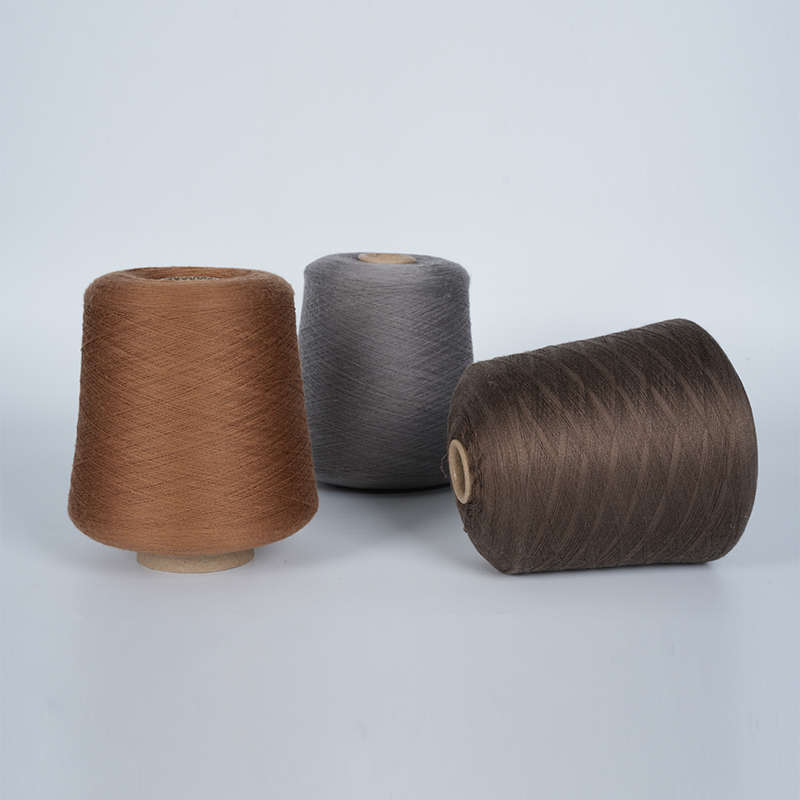
Wool silk blend yarn offers the perfect balance of warmth, breathability, and luxurious drape, making it an ideal choice for high-end garments that require both structure and elegance. By combining the resilient, insulating properties of wool with the smooth, lustrous finish of silk, this hybrid fiber creates a fabric that is lighter than pure wool yet warmer than pure silk. This synergy results in a premium material that drapes beautifully against the skin while maintaining durability through repeated wear and washing.
Content
Understanding the individual characteristics of each fiber reveals why their combination is so highly regarded in the textile industry. Wool provides elasticity and thermal regulation, while silk contributes strength and a distinctive sheen.
When these two natural fibers are spun together, they mitigate each other's weaknesses. Pure wool can sometimes feel itchy or bulky, whereas pure silk can be slippery and lack memory. The blend resolves these issues effectively:
Silk is one of the strongest natural fibers, known for its tensile strength. When blended with wool, it reinforces the yarn structure. A typical 70% wool and 30% silk blend can withstand significantly more abrasion than pure silk items, extending the lifespan of delicate shawls and sweaters.
Not every knitting or crocheting project benefits from this specific blend. Due to its cost and unique handling characteristics, it is best reserved for items where drape and next-to-skin comfort are priorities.
| Project Type | Suitability | Reasoning |
|---|---|---|
| Lace Shawls | Excellent | Silk enhances stitch definition and drape. |
| Lightweight Sweaters | High | Provides warmth without bulk; soft against skin. |
| Baby Blankets | Good | Softness is key, but requires careful washing. |
| Heavy Rugs | Poor | Too expensive and lacks the necessary ruggedness. |
For lace patterns, the slight halo of the wool combined with the shine of the silk creates a visual depth that single-fiber yarns cannot achieve. This makes it a favorite among designers creating heirloom-quality pieces.
Proper care is essential to maintain the integrity of wool silk blend yarn. While durable, the silk component can lose its luster if treated harshly, and the wool can felt if exposed to agitation and heat.
After washing, roll the item in a clean towel to absorb excess moisture. Lay it flat on a drying rack away from direct sunlight, which can degrade silk proteins over time. Never hang wet wool silk garments, as the weight of the water will stretch the fabric out of shape permanently.
For storage, fold items neatly and place them in breathable cotton bags. Avoid plastic containers, which can trap moisture and lead to mildew. Cedar blocks are recommended to deter moths, as both wool and silk are protein-based fibers attractive to pests.
The performance of the yarn changes significantly depending on the ratio of wool to silk. Understanding these variations helps in selecting the right yarn for your specific needs.
Choosing the right ratio ensures that the final product meets both functional requirements and aesthetic preferences. For most general-purpose luxury knitting, the 70/30 or 80/20 blends offer the most versatile performance.
 Contact Us
 Products
 Send An E-mail
No. 189 Pengfei Road, Industrial Park, Tudian Town, Tongxiang City, Zhejiang Province, China
 Mobile


 English
 Français
 Español
 عربى
عربى