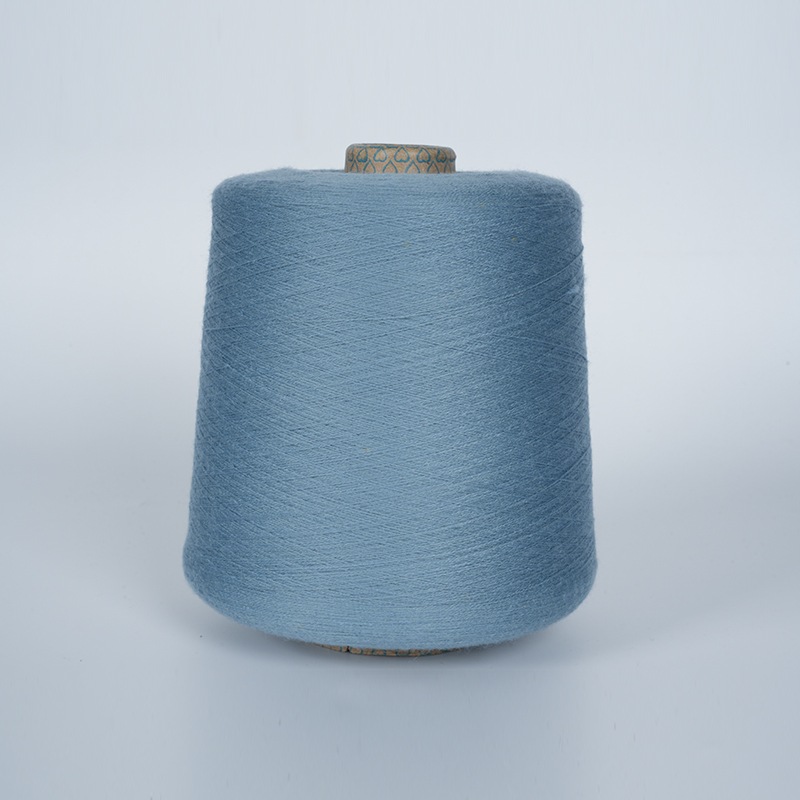
Wool Acrylic Blend Yarn: A Cost-Effective Knitting Solution
Content
For knitters and manufacturers alike, wool acrylic blend yarn offers a compelling economic argument without sacrificing aesthetic quality. It bridges the gap between luxury natural fibers and budget-friendly synthetics, allowing for the creation of high-volume, high-quality textiles. The primary conclusion for crafters is that blends reduce material costs by approximately 40-60% compared to pure merino or alpaca, enabling larger projects like blankets and coats to be made affordably.
This article details the economic benefits, dyeing potential, and selection criteria for wool acrylic blends. By understanding these aspects, consumers can make smarter purchasing decisions and achieve professional results on a budget.
Not all blends are created equal. The ratio of wool to acrylic dramatically changes the behavior, feel, and end-use of the yarn. Selecting the right ratio is crucial for project success.
These blends lean towards the properties of natural fiber. They are warmer, more breathable, and have better stitch definition. They are ideal for garments where warmth is the priority, such as winter hats and heavy sweaters. The small amount of acrylic adds just enough durability to prevent rapid wear in high-friction areas. However, they still require careful washing to avoid felting.
These are essentially acrylic yarns with a touch of wool for warmth and texture. They are extremely durable, machine washable, and very affordable. They are best suited for items that undergo heavy abuse, such as rugs, pet beds, and children’s toys. The downside is reduced breathability, which can make garments feel "clammy" if worn during high activity.
| Blend Ratio | Best For | Care Level | Cost Tier |
|---|---|---|---|
| 70/30 (Wool/Acrylic) | Winter Sweaters, Scarves | Hand Wash/Gentle | Mid-Range |
| 50/50 (Wool/Acrylic) | Everyday Cardigans, Socks | Machine Gentle | Budget |
| 20/80 (Wool/Acrylic) | Blankets, Kids' Items | Machine Wash | Low |
One of the unique creative opportunities with wool acrylic blend yarn is its differential dyeing potential. Because wool and acrylic absorb different types of dyes, crafters can create multi-tonal effects with a single dye bath.
Wool is a protein fiber and reacts to acid dyes, while acrylic is a synthetic fiber that requires disperse dyes. If you dye a blend with only acid dye, the wool will take the color while the acrylic remains white or off-white, creating a heathered or tweed effect. Conversely, using disperse dyes at high heat will color the acrylic while leaving the wool undyed. This allows for custom colorways without complex spinning processes.
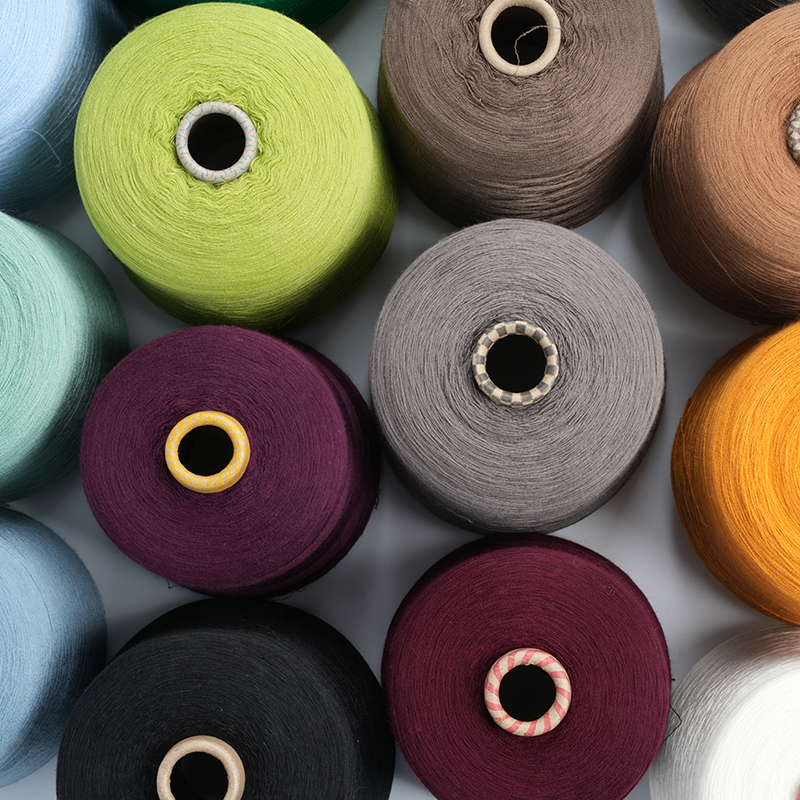
From a manufacturing standpoint, acrylic fibers hold synthetic dyes exceptionally well, resulting in vibrant, fade-resistant colors. When blended with wool, the resulting yarn has a depth of color that pure acrylic sometimes lacks. The wool absorbs light differently, giving the yarn a richer, more matte appearance compared to the slight sheen of pure acrylic. This makes blends particularly popular for autumn and winter collections where deep, rich tones are desired.
The environmental impact of wool acrylic blend yarn is a complex topic. While it combines a renewable resource with a petroleum-based product, it offers sustainability benefits through longevity and reduced waste.
Pure wool is biodegradable, whereas acrylic is not. However, acrylic’s durability means garments last longer, reducing the frequency of replacement and overall consumption. A well-made wool acrylic blend sweater can last 5-10 years with proper care, whereas a cheaper pure acrylic item might pill and degrade within two seasons. This extended lifecycle offsets some of the environmental costs of synthetic production.
Blended fibers are difficult to recycle because separating wool from acrylic is chemically intensive and expensive. Most blended yarns end up in landfills. To mitigate this, consumers should focus on buying high-quality blends that will last for decades, and donate or repurpose old items rather than discarding them. Emerging technologies in chemical recycling are beginning to address this issue, but widespread solutions are not yet available.
 Contact Us
 Products
 Send An E-mail
No. 189 Pengfei Road, Industrial Park, Tudian Town, Tongxiang City, Zhejiang Province, China
 Mobile


 English
 Français
 Español
 عربى
عربى