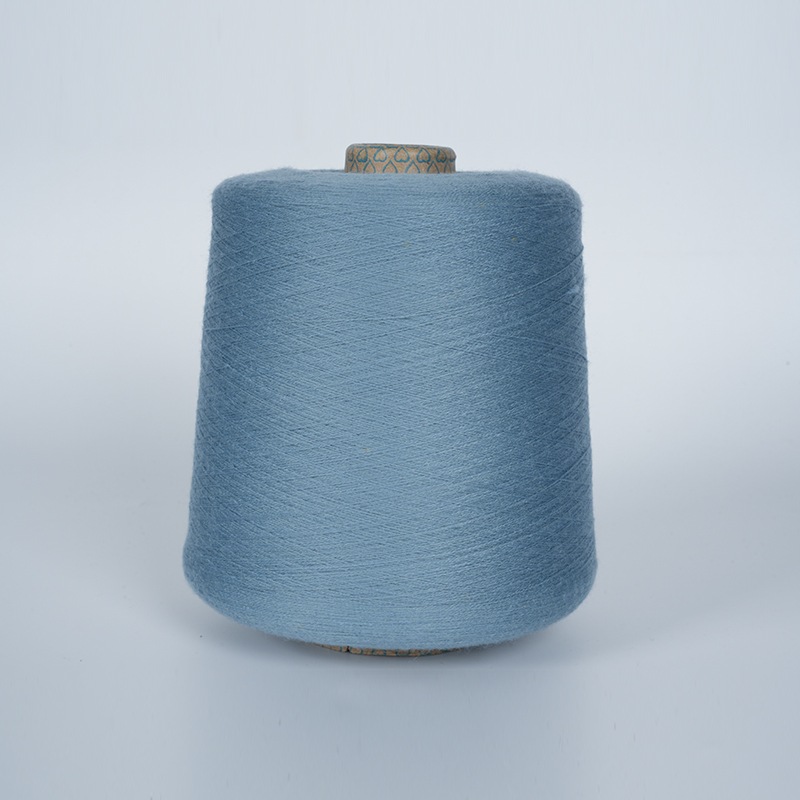
Wool Acrylic Blend Yarn: Benefits, Care & Knitting Guide
Content
Wool acrylic blend yarn represents the optimal balance between natural warmth and synthetic durability, making it the most versatile choice for everyday knitwear. By combining the insulating properties of animal fiber with the resilience of plastic-based fiber, this blend solves the common issues of shrinkage, itchiness, and high maintenance associated with 100% wool. The core advantage is clear: wool acrylic blends offer 80% of the warmth of pure wool at half the cost and with significantly easier care requirements.
This article explores the technical benefits of this hybrid fiber, ideal project applications, and essential care protocols. Understanding these factors allows knitters and crocheters to create garments that are not only comfortable and warm but also long-lasting and budget-friendly.
The performance of wool acrylic blend yarn is dictated by the ratio of its components. Typically ranging from 20% to 50% wool, these blends are engineered to maximize the strengths of both fibers while mitigating their weaknesses.
Pure wool is prone to felting and losing its shape when washed incorrectly. Acrylic fibers, being thermoplastic, add structural integrity to the yarn. This results in garments that resist pilling and stretching out of shape. Studies indicate that a 50/50 blend can withstand up to 50 machine wash cycles with minimal degradation, whereas pure wool often requires hand washing after every few wears to maintain integrity.
One of the primary complaints about traditional wool is its prickly texture, caused by the coarse scales on the fiber surface. Acrylic fibers are smooth and uniform, which dilutes the itch factor when blended. This makes wool acrylic blend yarn an excellent choice for sensitive skin, children’s clothing, and scarves that sit directly against the neck. The blend retains the breathability of wool while providing the soft hand-feel of premium synthetics.
| Property | 100% Wool | 100% Acrylic | Wool Acrylic Blend |
|---|---|---|---|
| Warmth | Excellent | Good | Very Good |
| Durability | Moderate | High | High |
| Care Ease | Difficult (Hand Wash) | Easy (Machine Wash) | Moderate (Machine Gentle) |
Due to its balanced characteristics, wool acrylic blend yarn is suitable for a wide range of projects. It is particularly favored for items that require frequent washing or heavy wear.
Sweaters, cardigans, and socks made from this blend are practical for daily use. The acrylic content ensures that elbows and heels do not wear out quickly, while the wool content provides necessary insulation without excessive bulk. For outdoor enthusiasts, a 70% acrylic / 30% wool blend offers sufficient warmth for mild winter conditions while remaining lightweight.
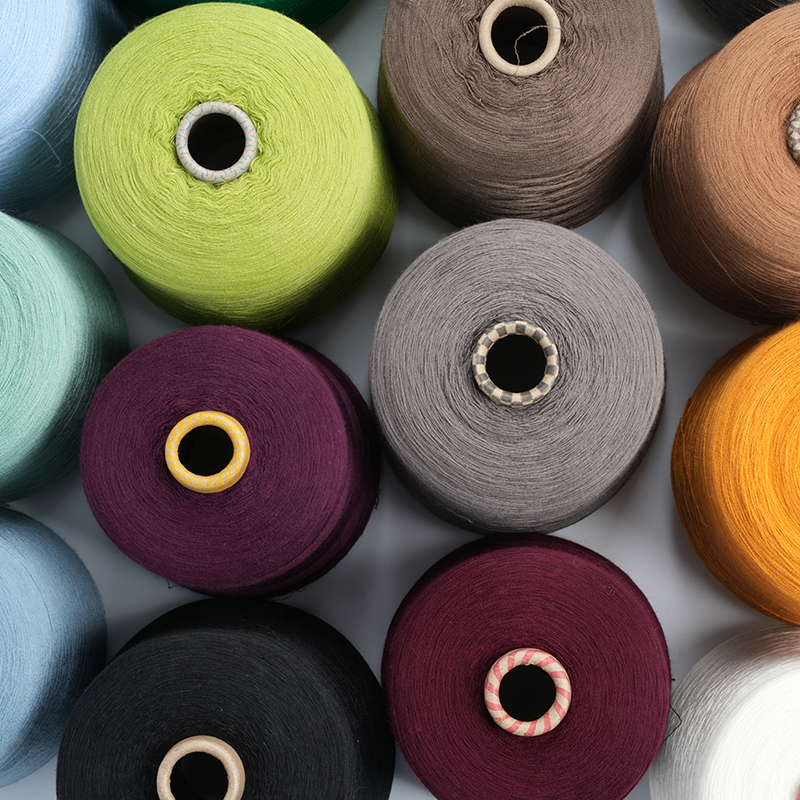
Blankets, throw pillows, and hats benefit from the color retention and fade resistance of acrylic. Wool acrylic blends accept dye well, resulting in vibrant, long-lasting colors that do not bleed easily. This makes them ideal for heirloom-quality afghans that need to withstand regular laundering.
While more forgiving than pure wool, wool acrylic blend yarn still requires specific care to maintain its appearance and longevity. Improper handling can lead to pilling or slight shrinking.
Most wool acrylic blends can be machine washed on a gentle cycle with cold water. Use a mild detergent designed for delicates. Avoid high heat in the dryer, as acrylic fibers can melt or become brittle at temperatures above 60°C (140°F). Air drying flat is recommended to preserve the garment's shape. If tumble drying is necessary, use the lowest heat setting and remove the item while slightly damp.
Blocking knitted items made from this blend requires caution. Unlike pure wool, acrylic does not "remember" its shape well with steam alone; it often needs heat to set. Use a steam iron held slightly above the fabric (do not touch) to relax the fibers. Store items folded rather than hung to prevent stretching, and use cedar blocks or lavender sachets to deter moths, as the wool content is still susceptible to pests.
 Contact Us
 Products
 Send An E-mail
No. 189 Pengfei Road, Industrial Park, Tudian Town, Tongxiang City, Zhejiang Province, China
 Mobile


 English
 Français
 Español
 عربى
عربى