Worsted Yarn Weight Explained: Craft Gauge, Mill Counts, and Sourcing Tips
Two briefs can arrive in the same week. One asks for “worsted weight” yarn for a sweater swatch. The other asks for “worsted yarn, 2/48 Nm, 100% wool.” Both use the word worsted, but they describe different things. In retail knitting, worsted yarn weight is a medium gauge band. In spinning, worsted refers to a combed spinning route and a count system. The practical answer is to read the label or specification in context: match stitches per 4 inches for craft yarn, and match Nm, ply, fiber, and twist for production yarn.
Content
At retail, worsted weight usually means Craft Yarn Council #4 medium: about 16 to 20 stitches per 4 inches on 4.5 to 5.5 mm needles, or roughly 9 to 12 wraps per inch. It sits between DK and bulky and is common for sweaters, hats, blankets, scarves, and home textiles.
In a mill specification, a number such as 48Nm/2 or 60Nm/2 is a count, not a gauge. Nm is metric count: the number of 1,000-meter hanks per kilogram. The higher the Nm, the finer the yarn. The /2 means two plies. A 60Nm/2 yarn is made from 60Nm singles plied two-fold, giving a resultant count of 30Nm. Neither number is a quality grade by itself; fiber, twist, and finishing still determine the hand and performance.
A knitter who substitutes a 48Nm/2 mill yarn for a retail worsted-weight skein may get a much finer fabric than expected. A production buyer who orders only “worsted weight” may receive a yarn that meets the words but not the gauge, shrinkage, or machine needle range. The same risk runs in reverse: a retail label cannot tell a spinner the singles count, ply, or twist direction.
At production scale, “worsted weight” alone is not a purchase specification. Without count, ply, fiber, twist, and finishing, two suppliers can quote the same words and deliver different diameters, yardage, and hand.
| Term | Typical label | What it measures | What to check |
|---|---|---|---|
| Retail worsted | #4 medium | Craft gauge band | 16 to 20 stitches per 4 inches, wraps per inch, fiber, and washing behavior |
| Metric count | 48Nm/2, 60Nm/2 | Length per mass and ply | Singles count, resultant count, twist, shrinkage, and machine gauge |
| Worsted count | NeW | 560-yard hanks per pound | Count system, moisture regain, and whether the number is singles or plied |
| Worsted-spun | Combed | Fiber alignment | Softness, pilling, strength, and stitch definition |
Knit a swatch at least 40 stitches wide, wash and block it, then measure 4 inches across the middle. If the swatch lands at 16 to 20 stitches, it fits the worsted band. At 21 to 24 stitches, it is closer to DK; at 12 to 15, it is closer to bulky. Gauge matters more than the word on the band because fiber blend, twist, and needle size all move the result.
Wrap the yarn around a ruler for 1 inch without stretching it. Worsted weight commonly falls around 9 to 12 wraps per inch. Also compare yards per 100 g. Two worsted skeins can differ by 30 to 60 yards because wool, acrylic, and blends have different densities. Buy by yardage for a project, not by weight alone. For crochet, a 5.5 to 6.5 mm hook is a common starting range, but the pattern gauge still controls.
For buyers, the useful specification is count plus ply. A 48Nm/2 wool yarn and a 60Nm/2 wool yarn may both be called worsted, but the 60Nm/2 is finer. In machine knitting, that difference changes gauge, stitch density, and the needle range. Ask for the singles count and the resultant count, not just the ply. A 60Nm/2 yarn gives a 30Nm resultant; a 48Nm/2 yarn gives a 24Nm resultant.
Worsted count (NeW) uses 560-yard hanks per pound, so a 2/24 NeW is not the same as 2/24 Nm. State the count system on the purchase order. If the mill works in Nm, keep Nm through sampling, costing, and lot approval to avoid conversion errors.
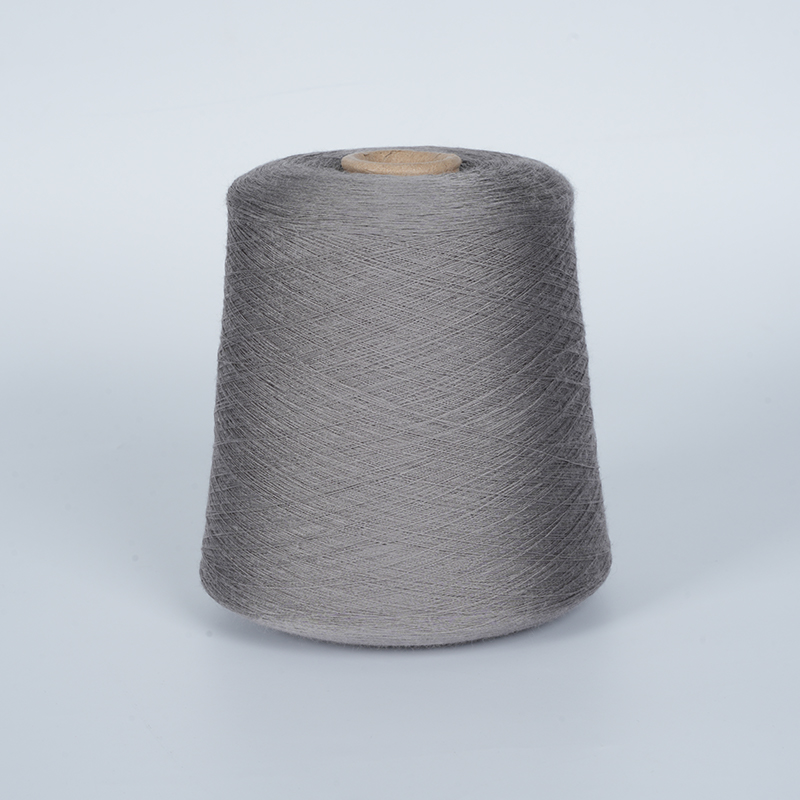
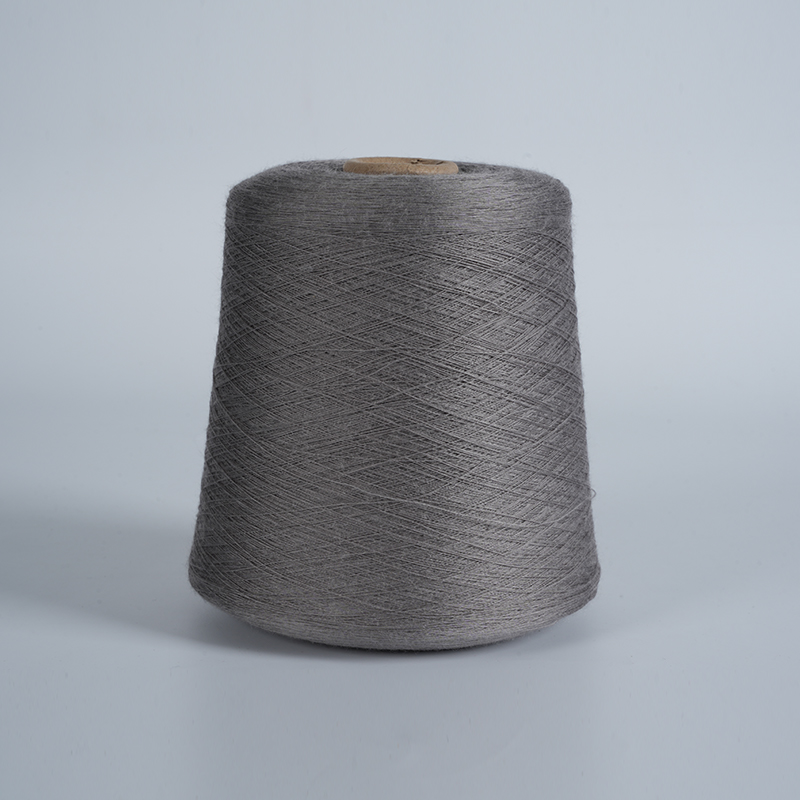
For an easy-care program, the 48Nm/2 Easy Care Premium Wool Yarn is a practical starting point when the target gauge is in the fine-gauge knitwear range and wash performance is part of the brief.
 48Nm/2 Easy Care Premium Wool YarnFine-gauge wool yarn with 19.5-micron fibre and easy-care shrinkage resistance, suited to next-to-skin knitwear where wash performance matters.View Product →
Count is only one part of weight. Fiber diameter, fiber length, twist, and finishing change the fabric. A 60Nm/2 yarn from 19.5-micron wool will feel different from the same count in 23-micron wool. Higher twist gives stitch definition but can reduce softness; low twist feels loftier but may pill. Easy-care treatments and Basolan finishing can change shrinkage and handle, so confirm performance after washing, not only on the cone.
Blends add another variable. A 70Nm/2 wool-silk at 60% wool and 40% silk drapes differently from a 90/10 blend at the same count. If your brief calls for a softer hand, compare the refined blend yarn range before locking the count.
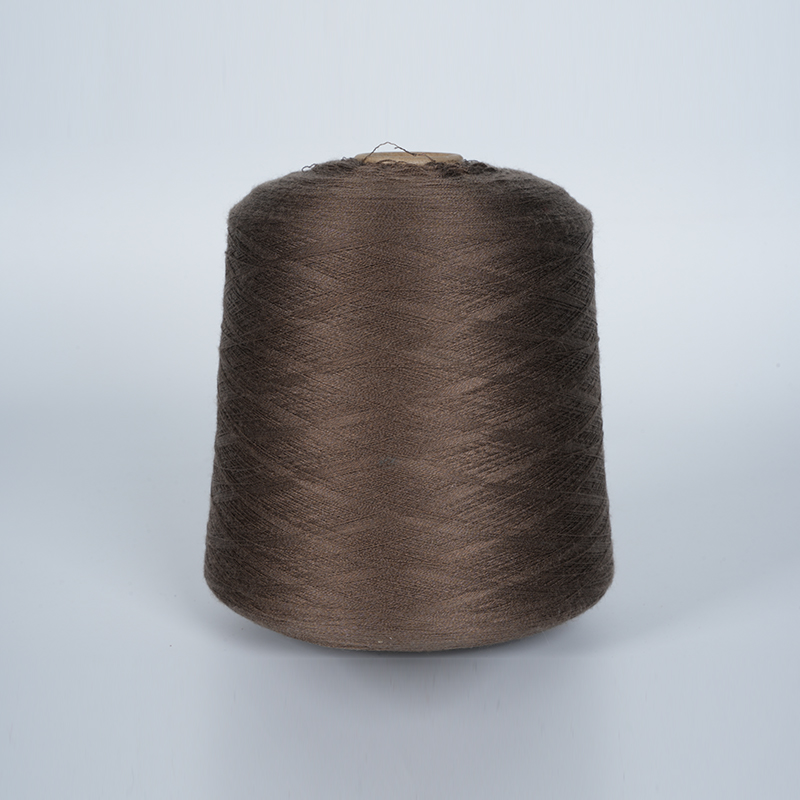
A 70Nm/2 wool-silk blend with 60% wool and 40% silk is one option when a light, fluid hand matters more than a pure-wool story.
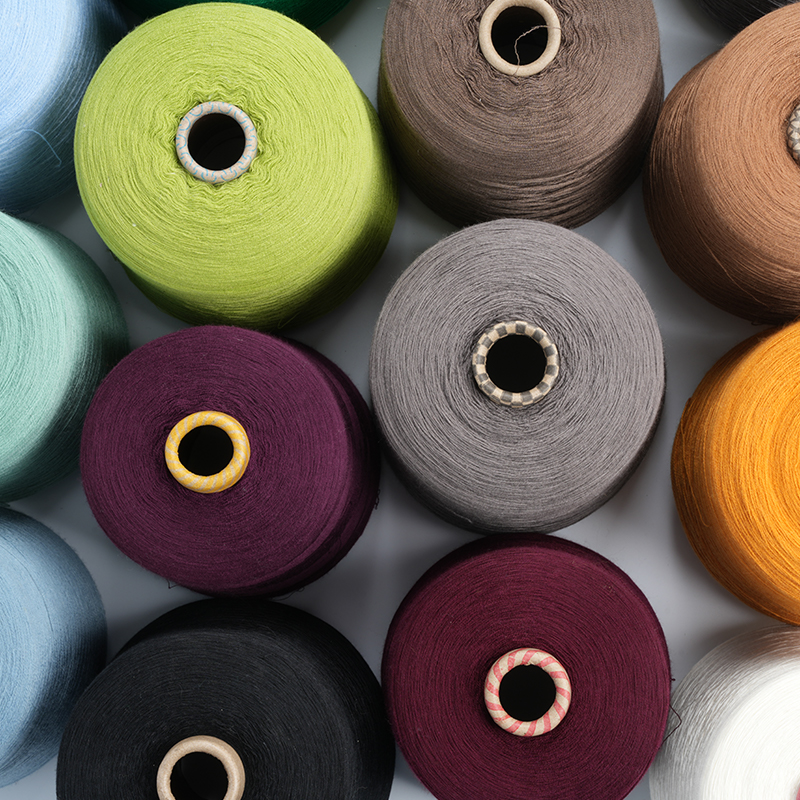 70Nm/2 Wool-Silk Blend Yarn for Lightweight KnitwearLight, fluid wool-silk blend for scarves, shawls, and premium knitwear; check the listed fibre composition before approving a lot.View Product →
Before approving a lot, ask for the following in writing:
Also request a lot sample and test report. A spinner with an in-house laboratory can verify count, twist, and fiber content before shipment, but the buyer should still confirm the final fabric. Huafu Textile operates its own laboratory and testing equipment, which supports this kind of pre-shipment check.
Use worsted yarn weight as a retail gauge band when you are choosing a sweater, hat, or blanket. Use it as production shorthand only after the mill specification adds count, ply, fiber, twist, and finishing. A 16 to 20 stitch swatch and a 48Nm/2 or 60Nm/2 count can both be correct, but they answer different questions. Match the metric to the decision, then confirm with a washed swatch and a lot sample. For a wider comparison, see this complete guide to yarn types and selection.
 Contact Us
 Products
 Send An E-mail
No. 189 Pengfei Road, Industrial Park, Tudian Town, Tongxiang City, Zhejiang Province, China
 Mobile


 English
 Français
 Español
 عربى