Bulky vs Super Bulky Yarn: A Complete Guide to Gauge, Needles, and Projects
Choosing between bulky and super bulky yarn comes down to one measurable number: stitches per 4 inches (10 cm). Bulky yarn, the Craft Yarn Council's category 5, knits to roughly 12-15 stitches over 4 inches on 5.5-8 mm needles. Super bulky yarn, category 6, knits to about 8-11 stitches over the same span on 8-12.75 mm needles. That difference reaches into everything downstream: how fast a project grows, how much yarn it consumes, how the fabric drapes, and what the finished piece feels like on the body.
Content
Yarn weight names describe a range of thickness built around a target gauge, not a single fixed diameter. Bulky yarn sits in category 5 of the Craft Yarn Council's Standard Yarn Weight System, with a stockinette gauge of 12-15 stitches per 4 inches. Super bulky yarn sits one step higher in category 6, at 8-11 stitches over the same distance. The recommended needle sizes follow the same pattern: 5.5-8 mm (US 9-11) for bulky and 8-12.75 mm (US 11-17) for super bulky.
These numbers matter more than the word "bulky" printed on a ball band. Two yarns from different brands can both claim to be bulky and still differ by 10-15 percent in real thickness. Gauge, not the label, is the specification you can measure and trust. That is why experienced knitters make a swatch and measure before they commit an entire project to a category.
| Measurement | Bulky (Category 5) | Super Bulky (Category 6) |
|---|---|---|
| Stockinette gauge per 4 in / 10 cm | 12-15 stitches | 8-11 stitches |
| Recommended knitting needles | 5.5-8 mm (US 9-11) | 8-12.75 mm (US 11-17) |
| Typical yarn length per 100 g | Roughly 90-130 m | Roughly 55-90 m |
| Approximate wraps per inch | 6-8 WPI | 4-6 WPI |
| Fabric character | Drapes, holds cables and ribs | Thick, dense, highly insulating |
If you have an unlabeled skein, handspun yarn, or a mill end with no band, wraps per inch (WPI) gives a quick estimate of category. Wrap the yarn around a flat ruler with the strands sitting side by side, neither overlapping nor gaping, then count how many wraps fit in 1 inch. Traditional reference ranges place bulky at roughly 6-8 WPI and super bulky at roughly 4-6 WPI. A quick swatch on 8 mm needles will confirm the estimate before you plan yardage.
The Craft Yarn Council categories are voluntary and cover both knit and crochet gauges. Roving-style yarns with a loose, lofty construction often land at the thick end of a category, while tightly twisted yarns land at the thin end. Two different category-6 yarns can look very different on the shelf. What they share is the stitch gauge they are engineered to hit under normal tension, and that number is what counts.
Bulky weight is the most practical "quick knit" category because it keeps a readable stitch structure. Cables, ribs, twisted stitches, and simple lace patterns still show up clearly in bulky yarn, and the resulting fabric keeps enough drape to hang naturally on the body. A bulky sweater takes a fraction of the time of a worsted one, yet it does not automatically look like a heavy blanket.
Its natural territory is projects where warmth and texture matter equally:
Because bulky stitches are large, rows are short and piece length grows quickly. For a knitter moving up from worsted, bulky is the easiest step: the gauge is forgiving, the fabric is warm, and the finished object still behaves like a garment rather than a block of felt.
Super bulky yarn is the thickest option most hand knitters will ever use. With only 8-11 stitches per 4 inches, every row grows visibly, and a generous cowl or hat can be finished in a single evening. The trade-offs are equally real. The fabric is dense, heavy, and intensely warm, and fine stitch textures disappear at this scale.
Super bulky performs best with simple stitches that read clearly at a large scale: garter, stockinette, seed stitch, and wide, chunky cables. It also suits garments that sit open on the body. A close-fitting, long-sleeved pullover in super bulky can consume more than a kilogram of yarn and pull downward under its own weight, so cropped styles, jackets, ponchos, shawls, blankets, and accessories are safer choices than a fitted sweater.
Substitution between these two weights is possible, but only if you rework the gauge math first. Skipping that step produces a finished object that is visibly the wrong size. Take a hat with 70 stitches cast on. At a bulky gauge of 14 stitches per 4 inches, 70 stitches create a 20-inch circumference. At a super bulky gauge of 10 stitches per 4 inches, the same 70 stitches create a 28-inch circumference. That is the difference between a snug beanie and a loose slouch bag.
The reverse error is just as damaging. Knitting a super bulky pattern in bulky yarn moves the gauge from roughly 9 stitches per 4 inches to roughly 12-13 stitches, which shrinks the finished width by about 25-30 percent. That is not a small design adjustment; it is a sizing failure, especially in fitted garments.
| Situation | Gauge effect | Main risk | Practical fix |
|---|---|---|---|
| Pattern calls for super bulky; you knit in bulky | 12-15 stitches per 4 in instead of 8-11 | Finished item comes out smaller and lighter than intended | Add stitches and rows; test a larger needle on the swatch |
| Pattern calls for bulky; you knit in super bulky | 8-11 stitches per 4 in instead of 12-15 | Finished item is larger, thicker, and heavier than intended | Reduce stitches and rows; block the swatch before recalculating |
When you are standing between two balls of yarn, this short checklist separates the right choice from the merely possible one.
In every case, fibre content matters as much as thickness. A highly twisted wool in bulky weight behaves differently from a soft wool acrylic blend in the same category, and the same logic applies whether the project is a hand-knit cowl or a commercial knitwear order.
When yarn is ordered for commercial knitwear, nobody writes "bulky" or "super bulky" on the specification sheet. Mills state the count in the metric system, where the Nm number expresses how many kilometres of yarn one kilogram contains. A yarn written as Nm 48/2 is made from two strands twisted together, and its effective thickness is a fixed, repeatable number. That kind of precision is what keeps gauge consistent across dye lots and production runs, and it is the reason experienced buyers ask for a count rather than a category name.
Fibre content, not thickness alone, decides how a yarn behaves in the finished garment. Basolan-treated wool softens the scale of the wool fibre and improves easy-care performance, which is why many garment programs specify it. A wool acrylic blend adds stability and lowers the material cost of a bulky-feeling fabric. Fine wool blended with cashmere protein fibre borrows a cashmere-like hand without the expense of pure cashmere. For a brand, choosing yarn is therefore a two-part decision: pick the category that delivers the required gauge, then pick the fibre construction that delivers the hand, drape, and care profile customers expect.
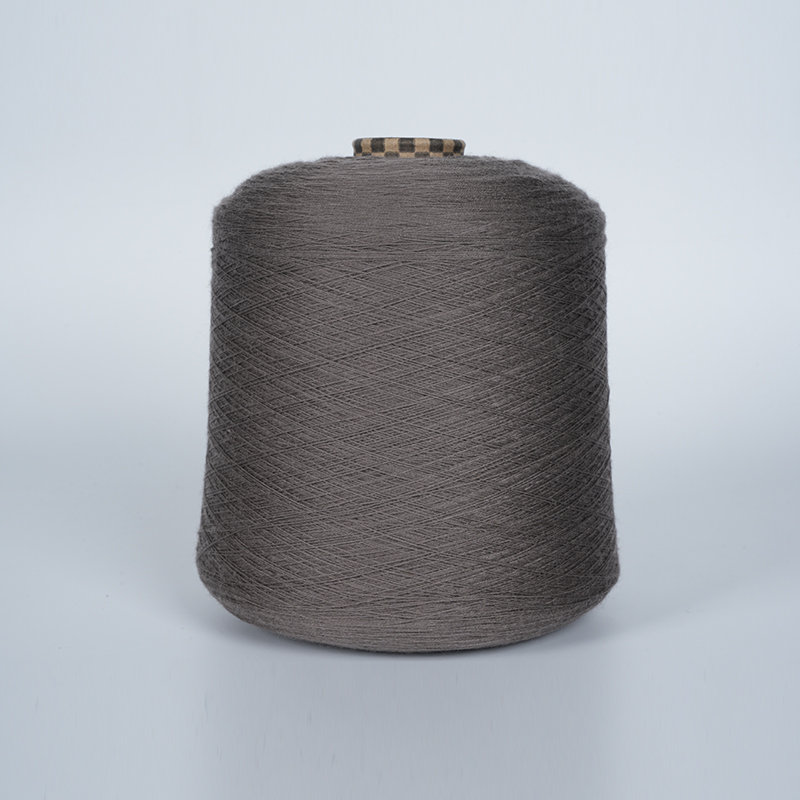
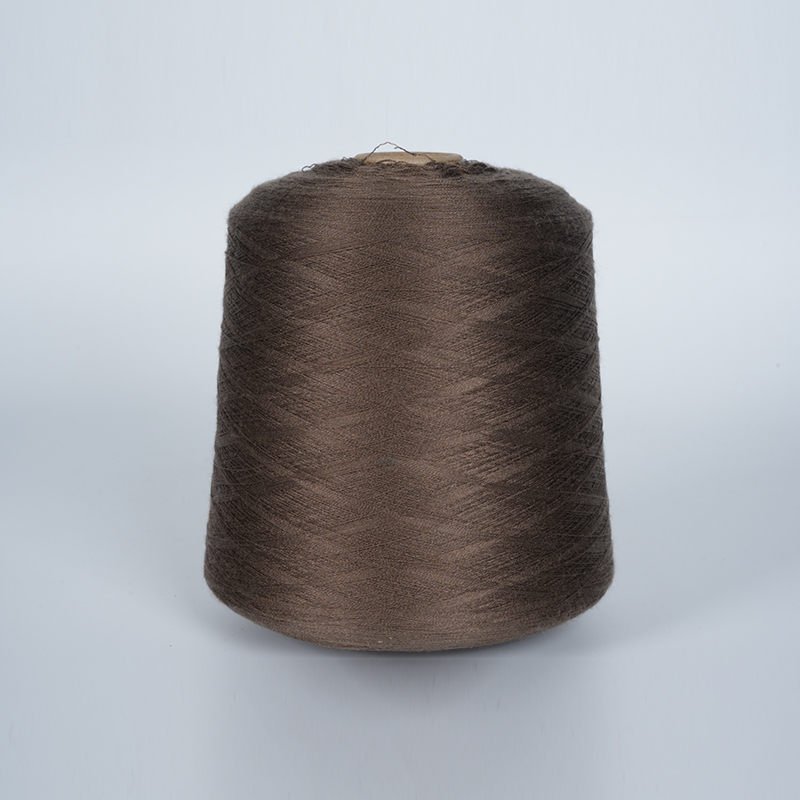
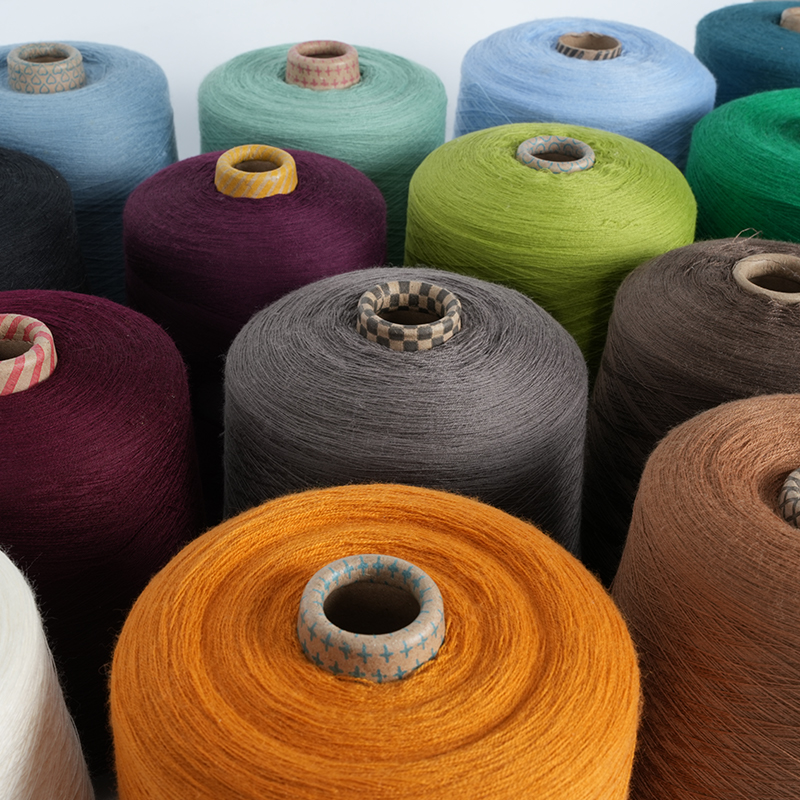
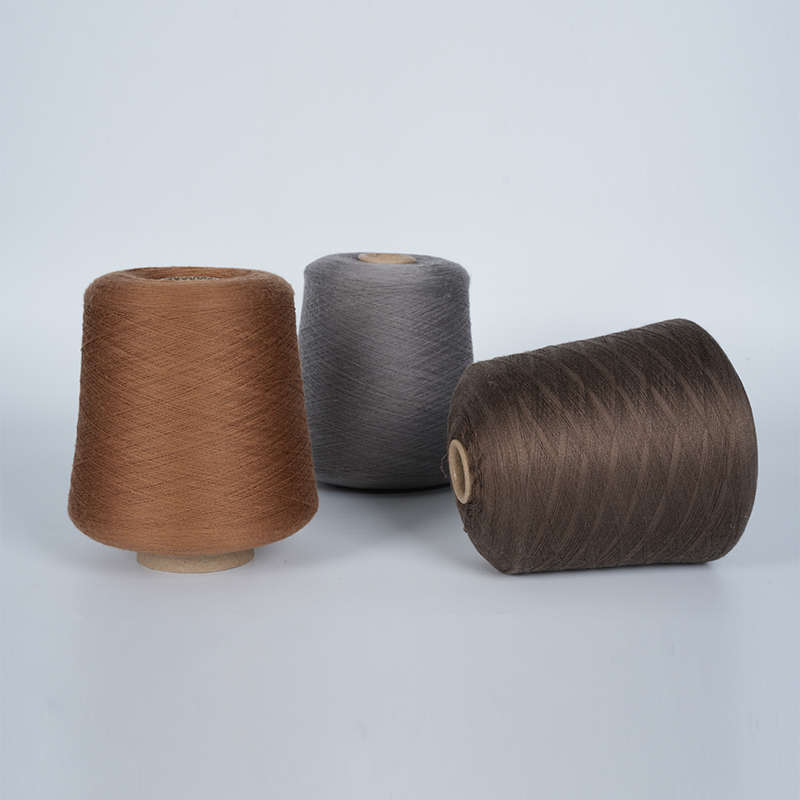
Huafu Textile, a custom wool yarn manufacturer with more than two decades of spinning experience, produces a range of yarn types, from pure wool to refined blends of natural and technical fibres, and every count is controlled from raw material selection through spinning. When a knitwear line needs a fuller hand and a more stable stitch structure, the 28Nm/3 wool acrylic blend yarn provides consistent twist and predictable gauge. When garments are worn next to the skin, the 48Nm/2 Basolan-treated premium wool yarn keeps a soft hand and better laundry performance. And when the goal is luxury without bulk, the 70Nm/2 wool cashmere protein fiber yarn delivers a silky feel in a lightweight construction.
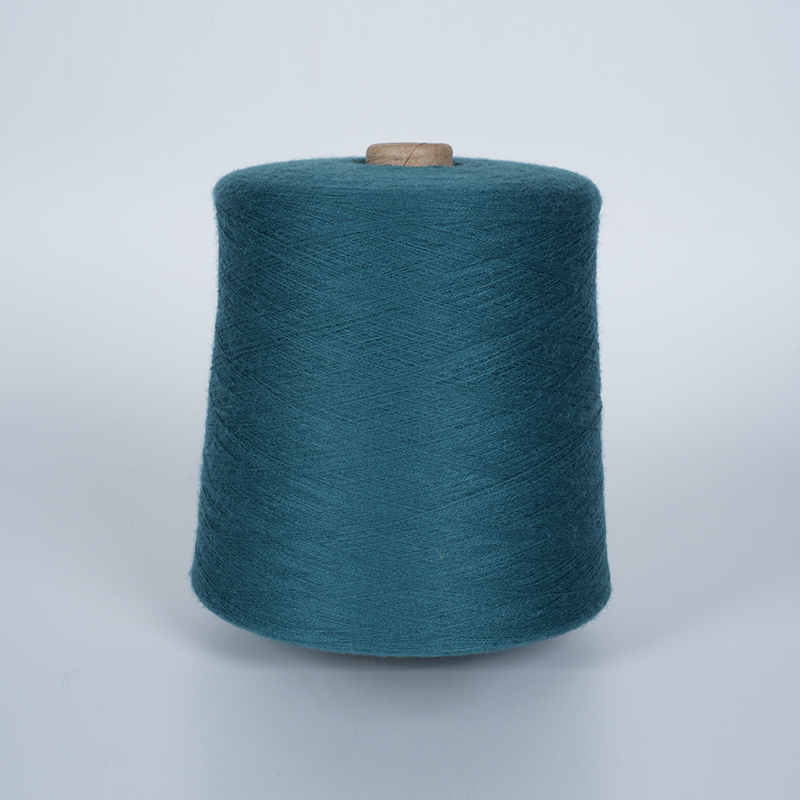 70Nm/2 70% Wool 30% Cashmere Protein Fiber Yarn Suppliers, Wholesale Company - HHuafu Textile is 70Nm/2 70% Wool 30% Cashmere Protein Fiber Yarn Suppliers and Company in China, Wholesale 70Nm/2 70% Wool 30% Cashmere P...View Product →
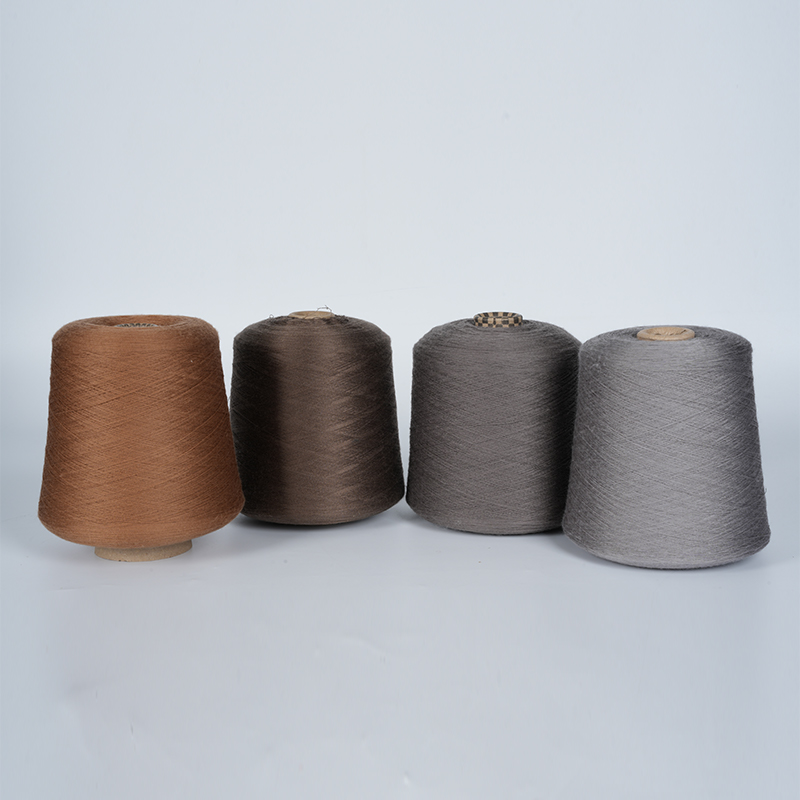 48Nm/2 Basolan Treated Premium Wool Yarn Suppliers, Wholesale Company - Huafu TeHuafu Textile is 48Nm/2 Basolan Treated Premium Wool Yarn Suppliers and Company in China, Wholesale 48Nm/2 Basolan Treated Premium Wool Y...View Product →
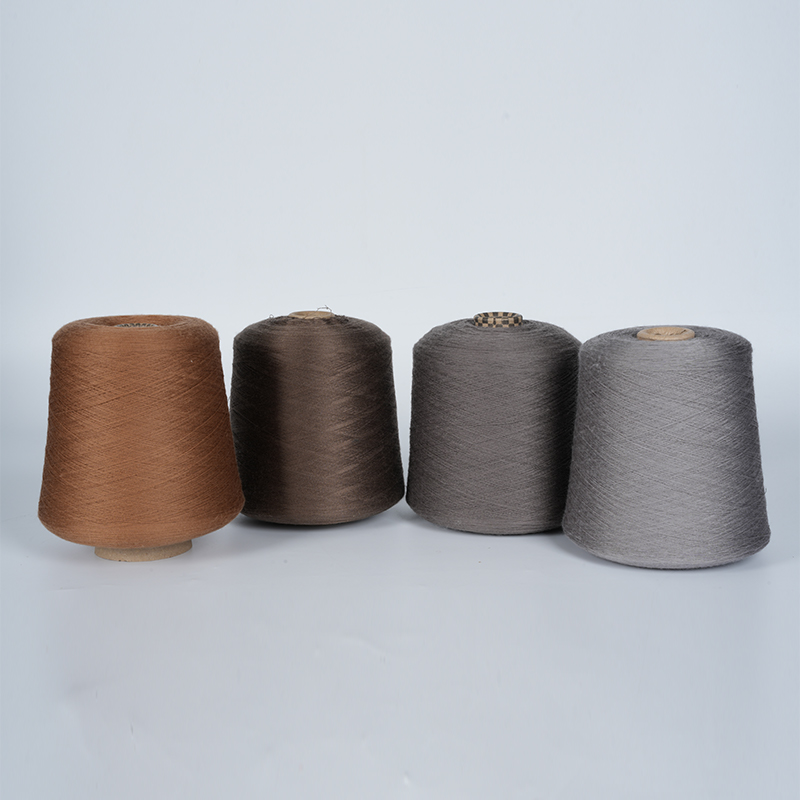 28Nm/3 Wool Acrylic Blends Yarn Suppliers, Wholesale Company - Huafu Textile Co.Huafu Textile is 28Nm/3 Wool Acrylic Blends Yarn Suppliers and Company in China, Wholesale 28Nm/3 Wool Acrylic Blends Yarn online, This 2...View Product →
Whether you knit at the thick end of the scale with super bulky yarn or specify a fine 70 Nm count for a high-end knitwear program, the principle is the same: warmth, hand, and durability are engineered, not guessed. After you choose the yarn, treat it accordingly. The wool yarn washing and storage guide explains how to keep that fabric looking right through years of use.
 Contact Us
 Products
 Send An E-mail
No. 189 Pengfei Road, Industrial Park, Tudian Town, Tongxiang City, Zhejiang Province, China
 Mobile


 English
 Français
 Español
 عربى
عربى