What Is Heavy Worsted Wool Yarn? A Complete Guide to Weight, Gauge, and Use
A design brief that calls for "heavy worsted wool yarn, 100 percent wool" seems clear until three supplier samples arrive: one wraps nine times per inch, another wraps eleven, and a third behaves more like a light bulky with soft twist. The practical definition is simple: heavy worsted wool yarn is a medium-to-thick wool yarn that wraps roughly eight to nine times per inch and knits at four to four and a half stitches per inch on US 8-10 needles. The category is a range, however, not a precise formula, so the only reliable way to work with it is to measure the yarn and swatch the fabric. This guide covers how to identify it, compare it, and buy it without falling into the usual specification gaps.
Content
In the standard yarn weight system, heavy worsted sits at the upper end of the medium category, between worsted weight and bulky weight. It is the yarn behind the classic Aran sweater, the structured cardigan, the dense throw, and the type of outerwear that must hold its shape over many seasons. Because the yarn has bulk, it produces warm fabrics quickly. Because it remains a medium weight, it keeps more drape and stitch definition than a bulky yarn.
Three measurements define the category. Wraps per inch, or WPI, comes first: wrap the yarn around a ruler, one inch wide, with strands lying close but not overlapping. Heavy worsted usually measures eight to nine wraps. The second is gauge: most heavy worsted samples knit four to four and a half stitches per inch on US 8 to US 10 needles (5 to 6 millimetres), which equals roughly sixteen to eighteen stitches per ten centimetres. The third is yardage: a 100-gram skein usually holds about 150 to 200 metres, depending on twist and fibre density.
The Craft Yarn Council's standard weight system is a useful reference, but mills and brands set their own boundaries. The table below groups the categories most often confused with heavy worsted.
| Yarn category | WPI | Stitches per inch | Suggested needle | Typical use |
|---|---|---|---|---|
| DK / light worsted | 11-12 | 5-5.5 | US 5-7 (3.75-4.5 mm) | Light sweaters, shawls, childrenswear |
| Worsted | 9-10 | 4.5-5 | US 7-9 (4.5-5.5 mm) | Midweight sweaters, vests, scarves |
| Heavy worsted / Aran | 8-9 | 4-4.5 | US 8-10 (5-6 mm) | Cardigans, outerwear, blankets |
| Bulky | 6-7 | 3-3.5 | US 10-11 (6-8 mm) | Coats, heavy throws |
Notice the overlap between worsted and heavy worsted. A slightly tighter-twisted yarn can deliver nine to ten WPI while knitting at the heavy end of the gauge range. This is why a specification sheet should state WPI, gauge on a given needle size, and machine gauge for knitwear production. The retail name alone is not enough.
The word "worsted" carries two separate meanings in the yarn world. It names a thickness class, as described above, and it also names a spinning method. Worsted spinning combs the wool so the longest fibres lie parallel, then draws and twists them into a smooth, dense yarn. Woolen spinning, by contrast, uses carded fibres arranged in many directions, trapping air and creating a softer, fuzzier surface.
For a heavy worsted product, the worsted process is usually the better engineering choice. Parallel fibres give clearer stitch definition, higher strength at the same diameter, and less pilling. The yarn also resists stretching out of shape, which matters for a garment that may weigh six hundred grams or more.
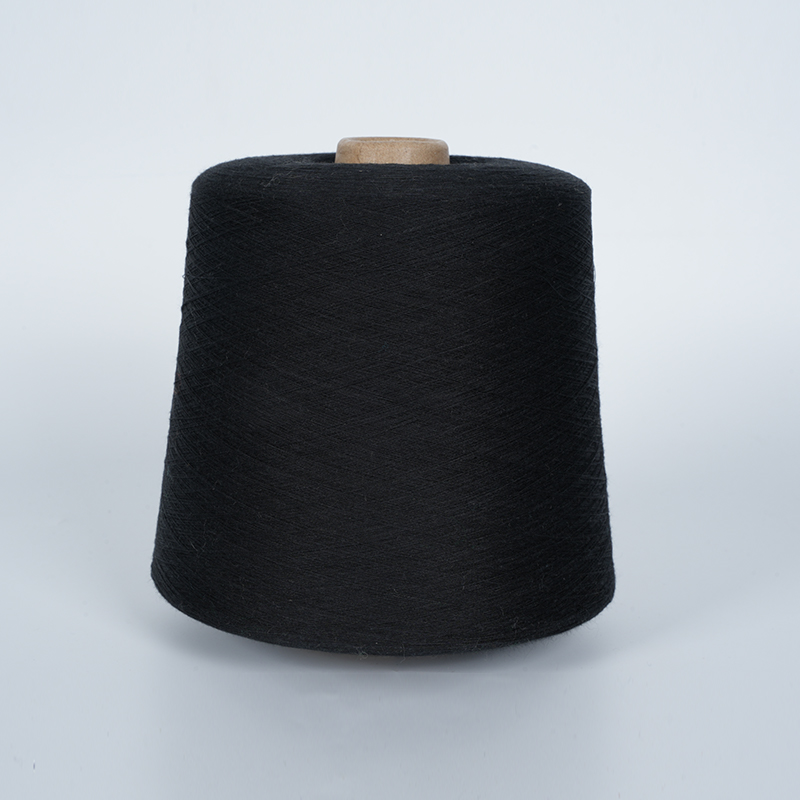
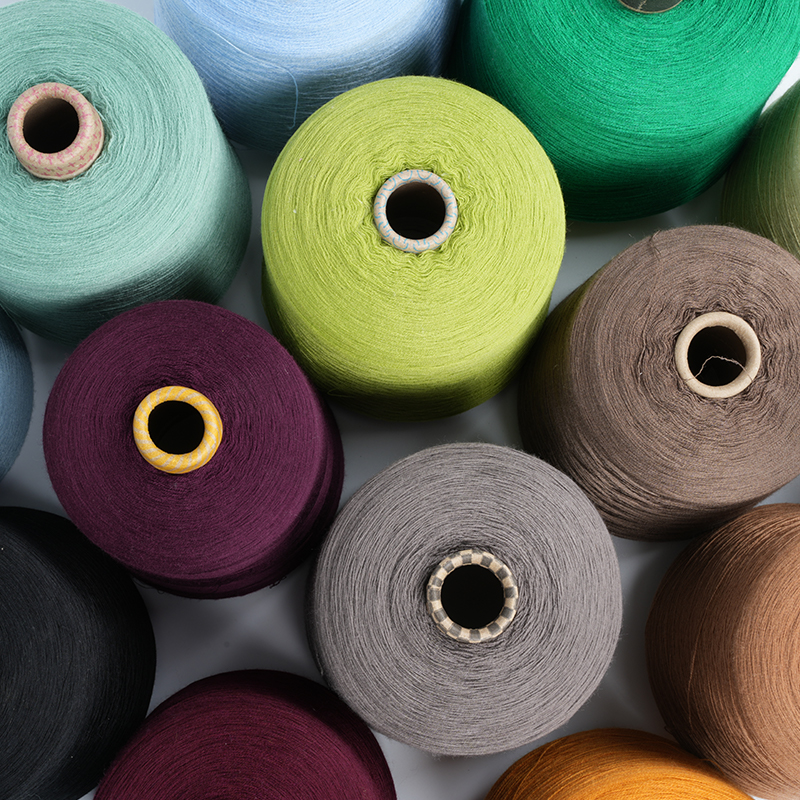
In industrial production, thickness is described with metric count rather than retail names. Nm 48/2, for example, means a two-ply yarn whose individual count is Nm 48; each kilogram of the plied yarn measures roughly 24,000 metres. Note that the number of plies does not determine thickness: a heavy worsted yarn can be two-ply, three-ply, or four-ply, depending on the count of each strand. A yarn such as the 48Nm/2 pure wool yarn is worsted-spun for consistent diameter and controlled twist. To reach a heavy worsted gauge, manufacturers knit it at multiple ends or request a custom ply construction from the mill. For a wider comparison of yarn types, selection criteria, and uses, the complete guide to yarn types, selection, and uses is a practical reference.
 48Nm/2 Pure Wool Yarn Suppliers, Wholesale Company - Huafu Textile Co., Ltd.Huafu Textile is 48Nm/2 Pure Wool Yarn Suppliers and Company in China, Wholesale 48Nm/2 Pure Wool Yarn online, 48Nm/2 Pure Wool Yarn is c...View Product →
Wool quality decides what a heavy worsted yarn feels like on the skin. Fibre diameter, measured in microns, is the key figure: a 21.5 to 24 micron Merino provides next-to-skin comfort even in thick garments, while broader cross-bred wools add structure and lower cost, which suits jackets and blankets. Staple length and elasticity matter as well; longer, more elastic fibres produce a stronger yarn that spins cleanly at heavy diameters.
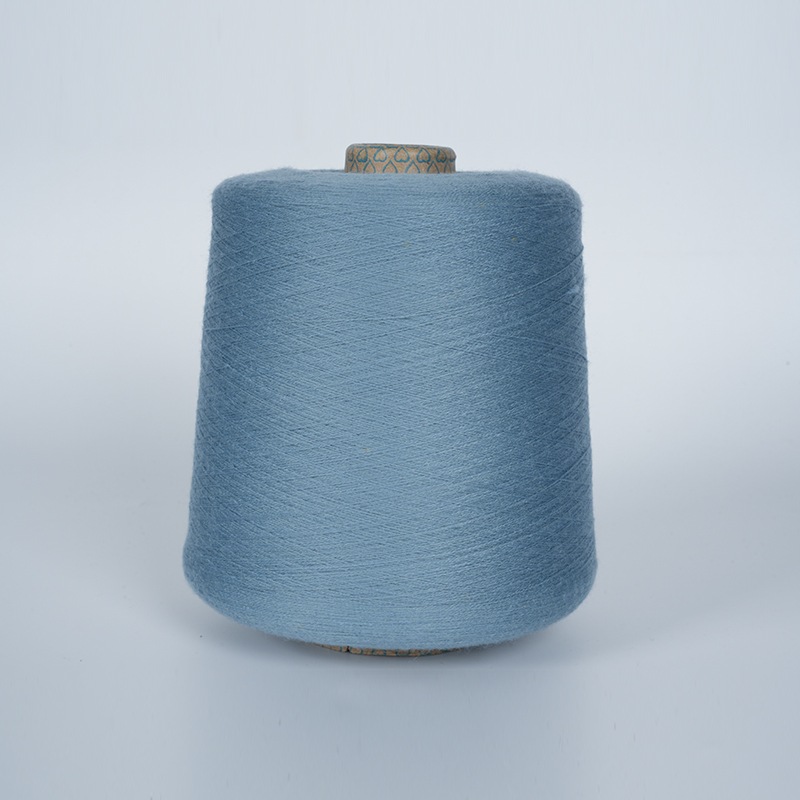
Finish is the second decision. A heavy worsted sweater is thick, takes hours to dry, and shrinks quickly in hot water. Basolan treatment, a controlled anti-felting process applied to wool, reduces shrinkage and pilling while preserving breathability. Huafu offers treated options; the 30Nm/3 Basolan-treated premium wool yarn is a good example of a treated product in a heavier, three-ply count. If your customer expects machine washing, confirm the finish on the actual production lot instead of assuming untreated wool will pass.
 30Nm/3 Basolan Treated Premium Wool Yarn Suppliers, Wholesale Company - Huafu TeHuafu Textile is 30Nm/3 Basolan Treated Premium Wool Yarn Suppliers and Company in China, Wholesale 30Nm/3 Basolan Treated Premium Wool Y...View Product →
When a purchase order moves beyond the swatch stage, six parameters prevent the most common sourcing mistakes.
Procurement risk usually hides in points four and five. Two heavy worsted samples can wrap identically and gauge identically, then behave completely differently after washing when one is treated and the other is not. Ask the mill to confirm the finish in writing, and test the production lot, not just the advance sample.
A competent spinning mill makes the difference between smooth development and a chain of surprises. Huafu Textile has operated its own worsted-spinning factory in Tongxiang, China, since 2003. The company employs more than one hundred people in an 8,000-square-metre plant, runs its own laboratory for quality testing, and sells to international customers across knitwear and related textile products. Huafu positions itself as a custom wool yarn manufacturer, welcoming development projects from partners rather than only selling stock items.
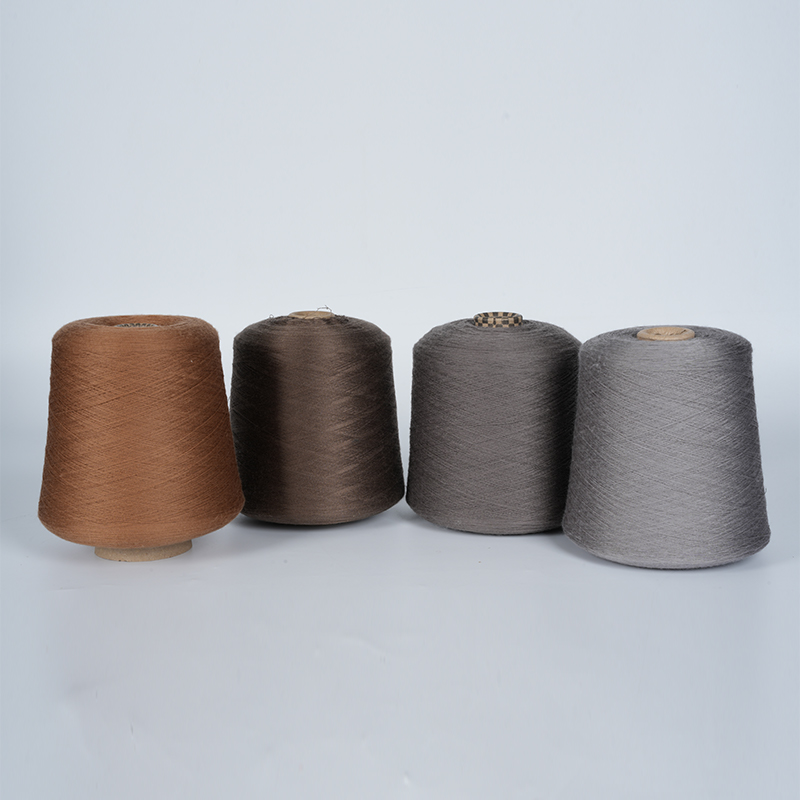
When 100 percent wool is not required, a blend can reduce cost or adjust the hand. The 28Nm/3 wool acrylic blend yarn pairs wool with acrylic for durability and value; at multiple ends it reaches a heavy worsted gauge with a practical price point. Request a reference hank, a shade card, and a production sample before committing. Confirm minimum order quantities, lead time, and lot-to-lot colour consistency early, and add a wash test on the actual delivery lot to your quality plan.
 28Nm/3 Wool Acrylic Blends Yarn Suppliers, Wholesale Company - Huafu Textile Co.Huafu Textile is 28Nm/3 Wool Acrylic Blends Yarn Suppliers and Company in China, Wholesale 28Nm/3 Wool Acrylic Blends Yarn online, This 2...View Product →
Heavy worsted wool yarn is an approachable category with a deceptively simple name. The weight is easy to measure; the performance is not. Check WPI and gauge on your own ruler and needles, choose the spinning method, fibre, and finish with the final garment in mind, and select a mill that can document each one. Do that, and thick wool yarn becomes one of the most reliable materials in a knitwear programme.
 Contact Us
 Products
 Send An E-mail
No. 189 Pengfei Road, Industrial Park, Tudian Town, Tongxiang City, Zhejiang Province, China
 Mobile


 English
 Français
 Español
 عربى
عربى