How Many Types of Wool Are There? A Manufacturer's Classification Guide
Ask a product developer what wool they need for a new sweater line, and you will often hear the same question: how many types of wool are there? The answer is never straightforward. Some lists count 10, others count 15, and a few stretch to 18. The discrepancy is not because anyone is wrong. It is because wool is classified by animal origin, by processing route, and by yarn finishing, and each dimension produces a different count. For a buyer or a supplier, the practical number is closer to 15 to 20 categories, and the ones that matter for production are far fewer.
Content
The simplest way to understand wool types is to accept that there is no single list. Three independent dimensions determine what label a wool product gets.
Within each dimension, you can name dozens of subcategories. A merino sheep can produce lambswool, virgin wool, or woolen yarn depending on the animal's age and the processing route. Cashmere can be treated or untreated. Alpaca can be processed as woollen or worsted. The multiplication causes the wide range of numbers cited online.
For a yarn manufacturer, however, the product range is built around a finite set of specifiable garments. The decisions are about micron count, yarn count, blend ratio, and treatment. These factors, more than the name of an animal, determine whether the wool works in a given design.
When people talk about types of wool, they first think of animals. A widely used list looks like this:
This list is useful for understanding the origin and texture of a fiber. Yet from a commercial spinning perspective, only a handful of these are available in consistent industrial volumes. Sheep wool, cashmere, and a few specialty fibers dominate the yarn supply chain. The rest remain niche, often too rare or too expensive for mass production.
For a yarn mill, the more decisive classification is not the animal but the way the fiber is prepared. The first major split is between woollen and worsted yarn.
The finishing treatment adds another layer of wool types. Basolan-treated wool undergoes a chlorine-based or other chemical process that reduces the scale structure of the fiber, preventing felting and making the yarn machine-washable. Easy-care wool receives a similar shrink-resist treatment but with extra attention to preserving a soft hand feel. Untreated pure wool keeps its natural properties but requires gentler washing and care.
These differences directly affect a product developer's decisions. If your customer expects to machine wash a garment, you need a washable treatment. If you want to showcase the authentic drape and luster of premium merino, an untreated or lightly treated pure wool may be the better choice. The same sheep can feed both channels, but the yarns are distinct products with different performance profiles.
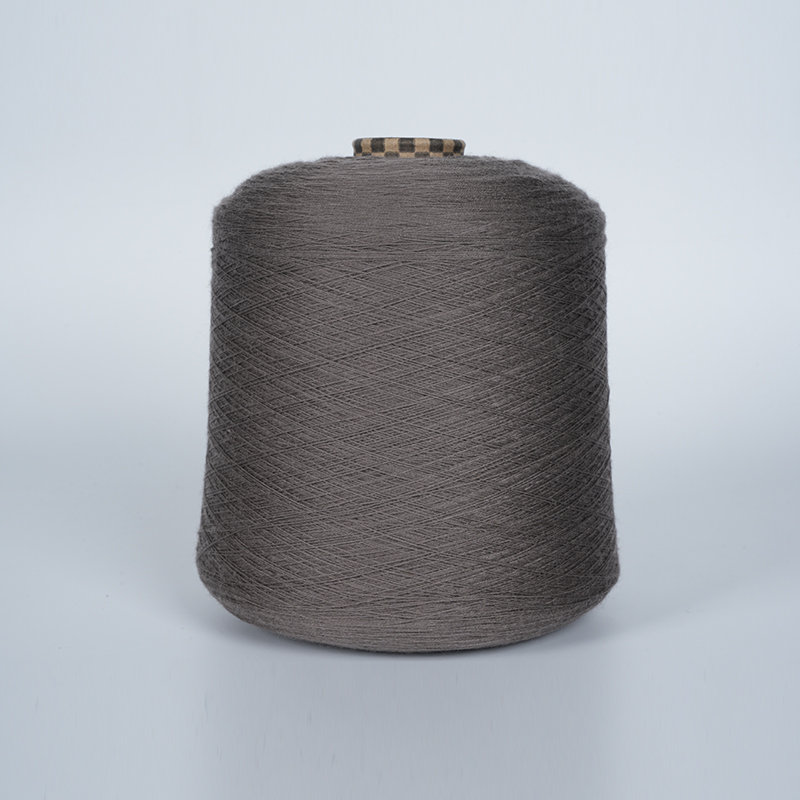
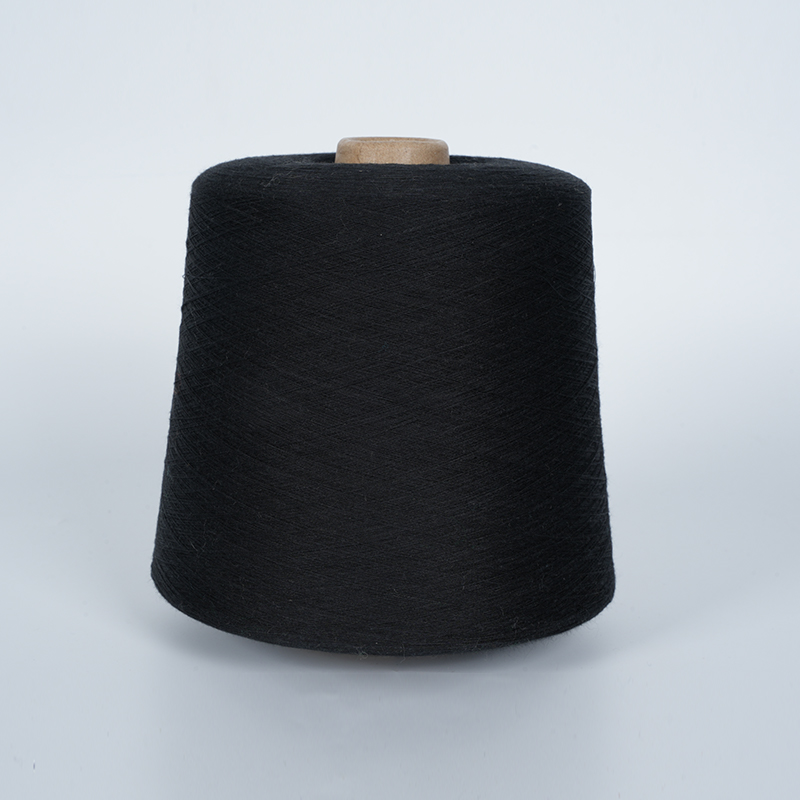
 48Nm/2 Basolan Treated Premium Wool YarnThis 100% wool yarn at 80s count and 18.5μm offers a fine, soft hand. Basolan treatment enhances strength and dye uptake, making it ideal for luxurious knitwear and tailored garments that require durability and vibrant color.View Product →
The count of wool types matters less than the measurable attributes that affect how the final garment performs. Four parameters form the core of a wool yarn specification.
The table below summarizes common finishing treatments. This is a practical comparison when you evaluate a supplier's product range.
| Finishing type | Main benefit | Typical application |
|---|---|---|
| Basolan treatment | Prevents felting, improves softness, allows machine washing | Knitted sweaters, socks, base layers |
| Easy-care treatment | Shrink-resistant, easy to wash, preserves hand feel | Casual knitwear, children's clothing |
| Untreated pure wool | Maximum natural drape and authentic wool character | Premium fashion garments and luxury suits |
In daily production, a wool spinning mill does not use a single list of animal names. Instead, the mill creates a product portfolio based on what can be spun, finished, and sold. At Huafu Textile, a custom wool yarn manufacturer with over 22 years of experience, the product line is organized into four series.
This series covers the core sheep wool products: Basolan-treated, easy-care, and pure wool options. Available counts range from 30Nm/3 to 80Nm/2, giving designers a wide choice of yarn fineness and performance. Our complete guide to wool yarn types, selection, and uses explains how to combine these options with garment requirements.
Refined blends pair wool with acrylic or Tencel to improve durability, reduce weight, and add moisture-wicking properties. Wool acrylic blends come in counts such as 28Nm/3, 48Nm/2, 60Nm/2, and 80Nm/2. Wool Tencel acrylic blends offer a contemporary, sustainable option with defined fiber ratios.
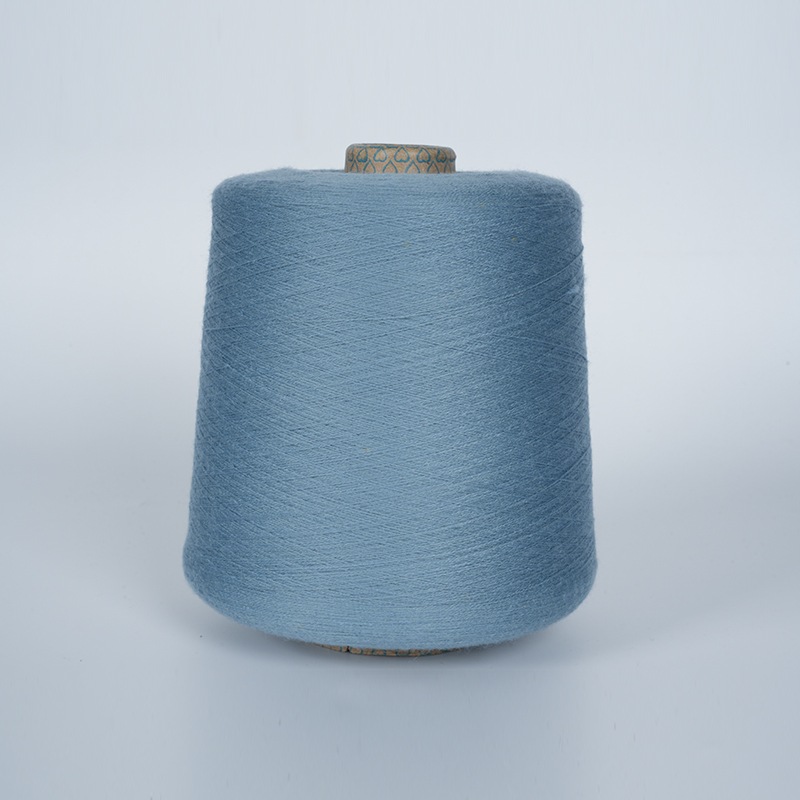
 48Nm/2 Wool Acrylic Blended YarnA balanced blend of 50% Basolan-treated wool and 50% anti-pilling acrylic provides softness, warmth, and resilience. This yarn resists pilling and is suitable for sweaters, scarves, and home textiles needing long-lasting wear.View Product →
Natural blends combine wool with silk, cotton, or ramie to create yarns with enhanced luster, breathability, and a soft eco-friendly profile. For example, a 70Nm/2 wool silk blend with 60% wool and 40% silk delivers a luxurious drape, while a cotton combed ramie yarn offers a crisp, cool feel for summer garments.
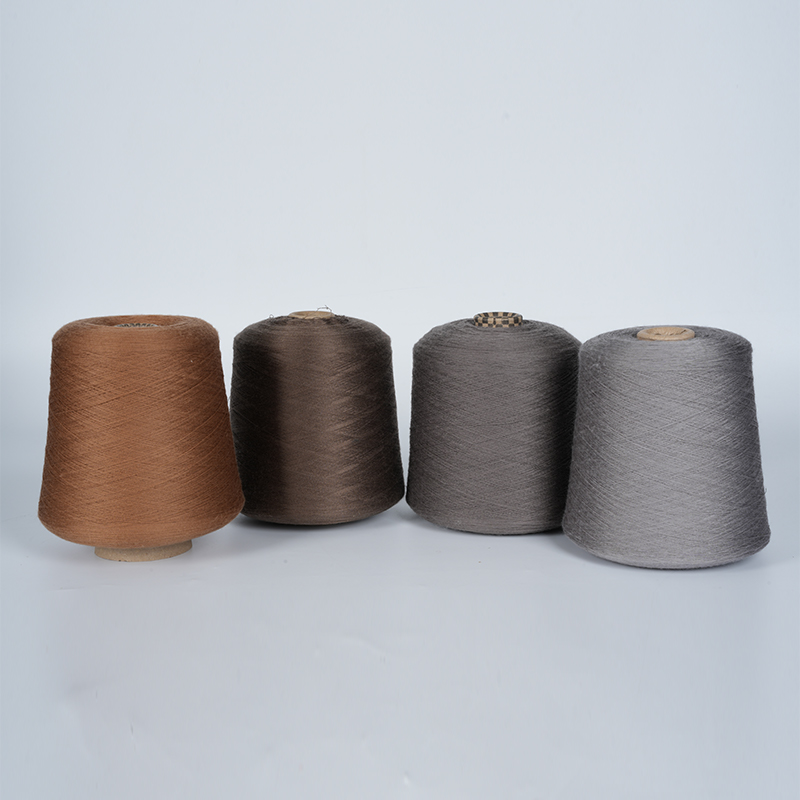
 70Nm/2 60% Wool 40% Silk Blends YarnCombining fine wool and silk, this yarn delivers natural warmth with a subtle sheen and smooth drape. Its luxurious feel and delicate appearance make it perfect for premium scarves, shawls, or lightweight sweaters.View Product →
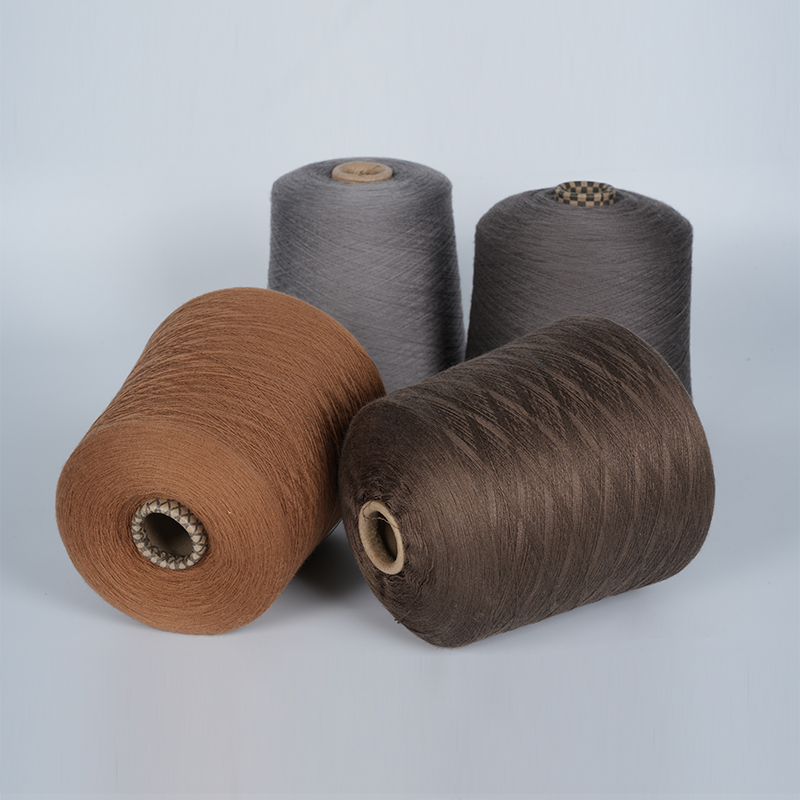
This series uses advanced protein fibers such as cashmere protein fiber blended with wool. A 70Nm/2 yarn with 50% wool and 50% cashmere protein fiber brings natural warmth and a distinctive softness that is especially suited for premium knitwear.
So, how many types of wool are there? If we count animal origins, there are more than 20. If we count processing routes and finishing treatments, the number climbs further. But for a buying decision, the most practical answer is about 15 to 20 categories, and the real skill is knowing which category matches your design. Start with the four parameters that matter: micron count, yarn count, blend ratio, and finishing. Then let the supplier guide you through their own product series. That is how a wool yarn manufacturer helps you turn a broad question into a spec you can order.
 Contact Us
 Products
 Send An E-mail
No. 189 Pengfei Road, Industrial Park, Tudian Town, Tongxiang City, Zhejiang Province, China
 Mobile


 English
 Français
 Español
 عربى
عربى