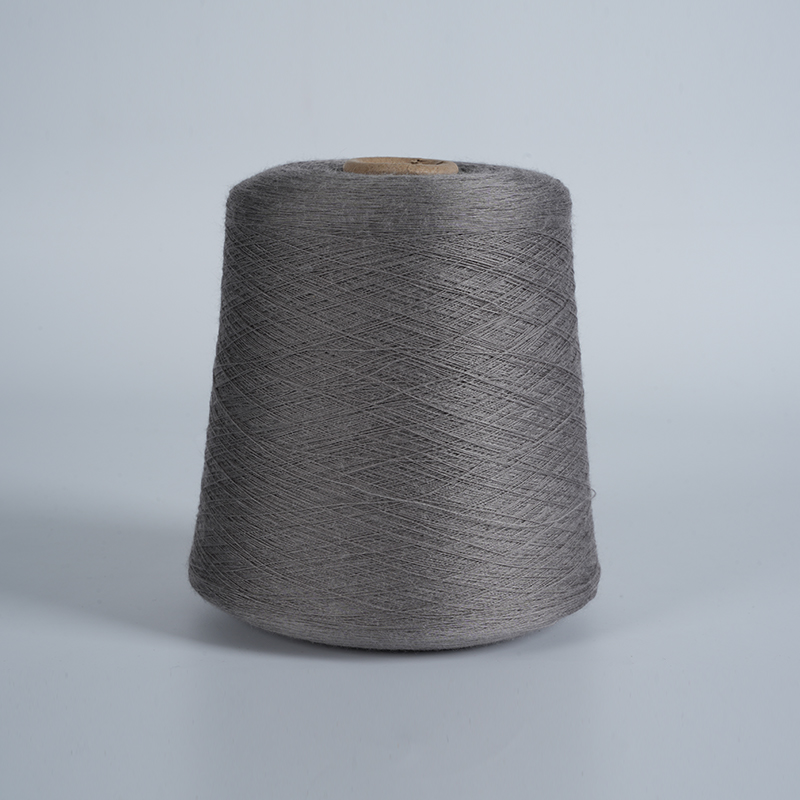
Cotton Combed Ramie Yarn: Benefits, Properties & Applications
Content
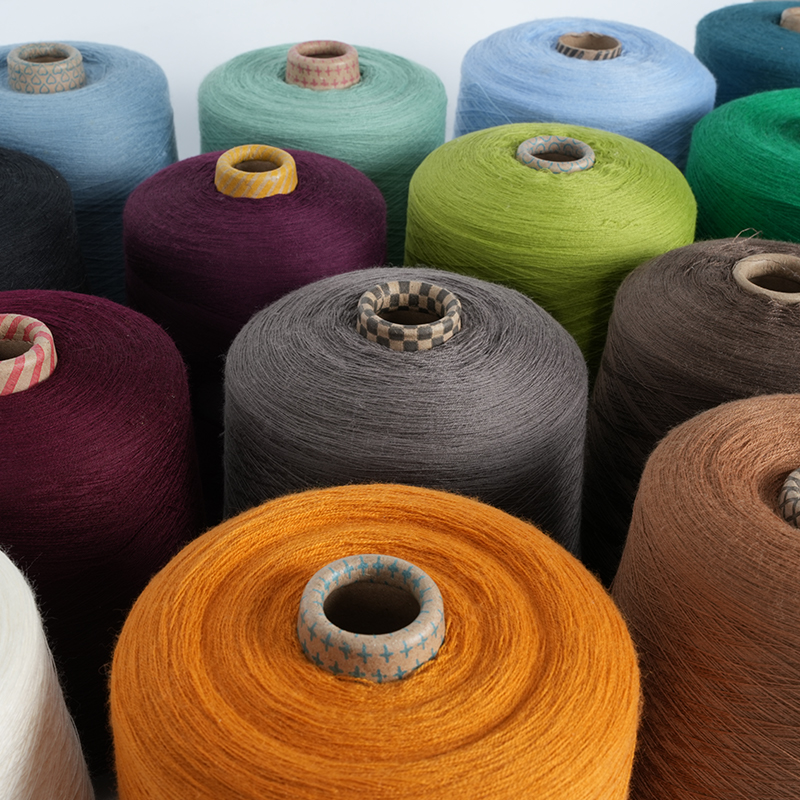
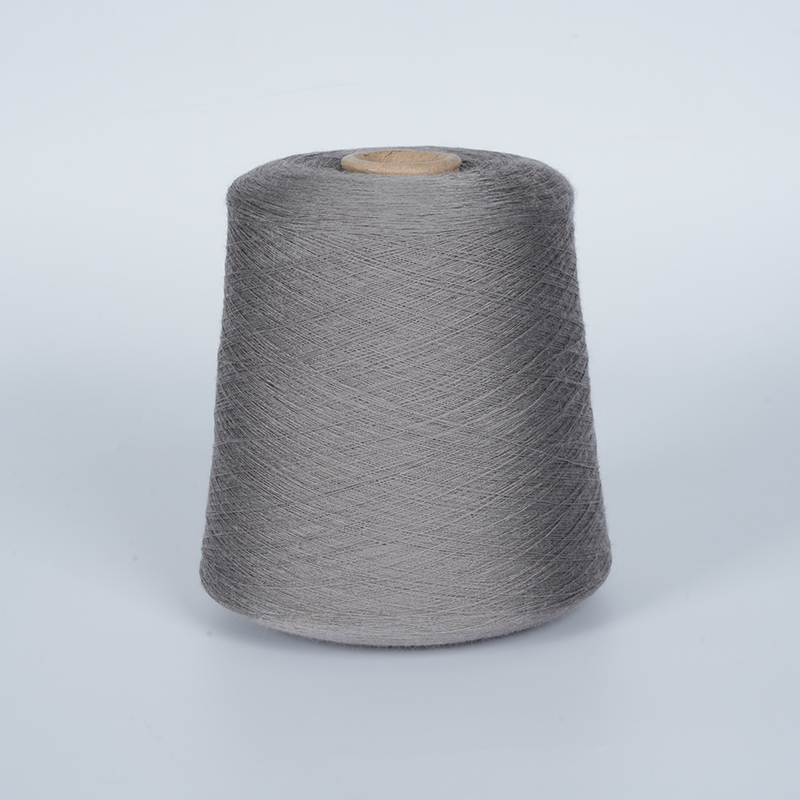
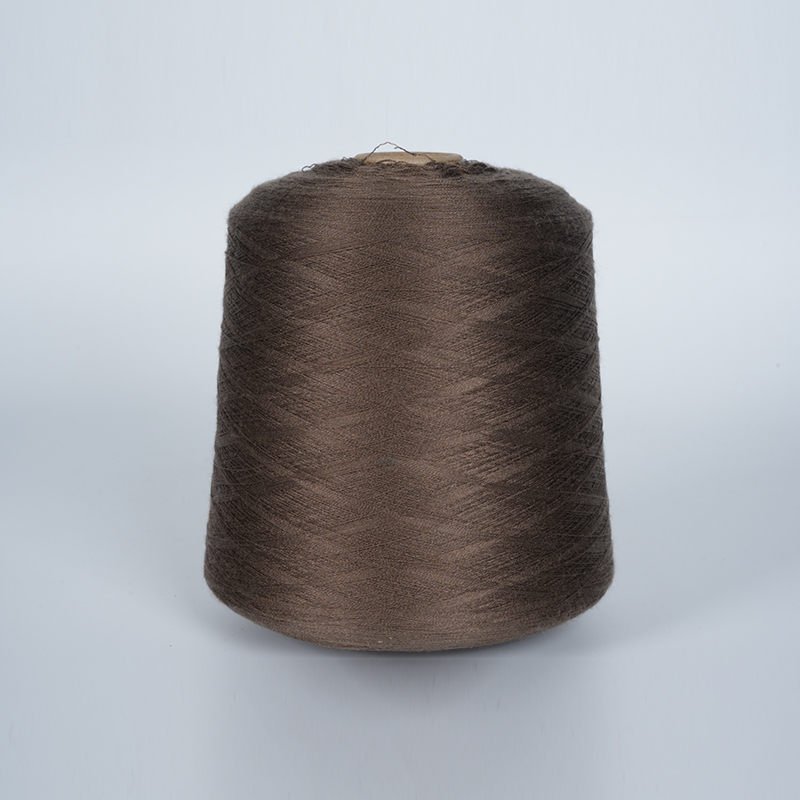
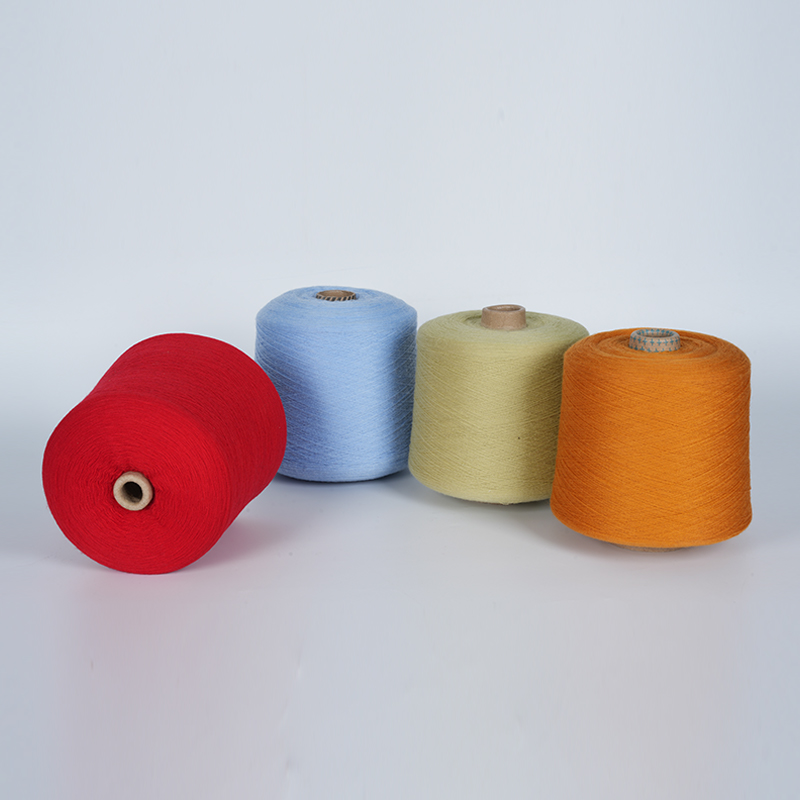
Cotton combed ramie yarn represents the optimal synthesis of natural fiber characteristics, merging the soft hand-feel of cotton with the exceptional tensile strength and luster of ramie. This blend typically increases fabric durability by 40% to 50% compared to 100% cotton while retaining breathability and skin comfort. The combing process removes short fibers and impurities from the cotton component, resulting in a smoother, stronger yarn with 20% less pilling over the garment's lifecycle. For manufacturers and consumers seeking sustainable, high-performance textiles for summer apparel and home linens, this hybrid yarn offers a proven solution that outperforms pure synthetic or single-natural fiber alternatives in both wear resistance and moisture management [[1]].
The engineering behind cotton combed ramie yarn lies in balancing the distinct mechanical traits of its constituent fibers. Ramie, one of the oldest known textile fibers, provides structural integrity, while combed cotton ensures pliability and softness.
Ramie fibers possess a tensile strength 8 times greater than cotton and even higher than many synthetic fibers when wet. By blending just 30% to 40% ramie with combed cotton, the resulting yarn achieves a significant boost in tear resistance without sacrificing the drape required for fashion applications. Studies indicate that fabrics made from this blend withstand 25% more abrasion cycles in Martindale testing compared to pure cotton counterparts [[2]].
The combing process is critical; it aligns the cotton fibers parallel to the ramie staples, reducing friction points that cause breakage. This alignment creates a yarn with uniform thickness and enhanced cohesion, making it ideal for high-speed weaving and knitting processes where yarn breakage rates must be minimized.
| Property | 100% Combed Cotton | 100% Ramie | Cotton/Ramie Blend (60/40) |
|---|---|---|---|
| Tensile Strength (cN/tex) | 25–30 | 55–65 | 40–45 |
| Moisture Regain (%) | 8.5 | 12.0 | 10.5 |
| Elongation at Break (%) | 7–9 | 2–4 | 5–6 |
| Softness Rating | High | Low (Stiff) | Medium-High |
One of the most compelling reasons to specify cotton combed ramie yarn is its superior performance in hot and humid conditions. The unique hollow structure of the ramie fiber enhances the hygroscopic nature of the blend.
Ramie fibers can absorb up to 12% moisture without feeling damp, and they release this moisture 20% faster than cotton. When blended, the yarn creates a fabric that actively wicks sweat away from the skin and facilitates rapid evaporation. This makes it an ideal choice for summer sportswear, underwear, and tropical climate apparel [[3]].
Furthermore, the blend exhibits excellent thermal conductivity. Garments made from this yarn feel 2–3°C cooler to the touch compared to pure cotton equivalents under direct sunlight, providing a natural cooling effect that reduces reliance on air conditioning in warm environments.
In an era where hygiene is paramount, the inherent biological properties of ramie add significant value to the cotton blend. Ramie naturally resists the growth of bacteria, mold, and mildew.
Laboratory tests have shown that fabrics containing ramie exhibit a bacteriostatic rate of over 90% against common pathogens like Staphylococcus aureus and E. coli without the need for chemical finishes [[4]]. This property persists through numerous wash cycles, unlike topical antimicrobial treatments that degrade over time.
For applications in medical textiles, bed linens, and baby clothing, cotton combed ramie yarn offers a safe, non-toxic alternative to synthetic antimicrobial agents. The smooth surface of the combed cotton component further prevents bacterial entrapment, ensuring the fabric remains fresher for longer between washes.
While the end product is superior, manufacturing cotton combed ramie yarn requires specific processing adjustments to handle the stiffness and brittleness of raw ramie fibers.
Effective degumming is crucial to remove the pectin and lignin from ramie, increasing its flexibility. Modern enzymatic degumming processes can reduce fiber rigidity by 30% while maintaining strength. During spinning, the blend ratio must be carefully controlled; a 60/40 or 50/50 cotton-to-ramie ratio is often optimal to prevent excessive hairiness and ensure smooth passage through ring frames or rotors [[5]].
By optimizing these parameters, manufacturers can produce a high-quality yarn that maximizes the benefits of both fibers, delivering a premium product that commands higher market value.
 Contact Us
 Products
 Send An E-mail
No. 189 Pengfei Road, Industrial Park, Tudian Town, Tongxiang City, Zhejiang Province, China
 Mobile


 English
 Français
 Español
 عربى
عربى