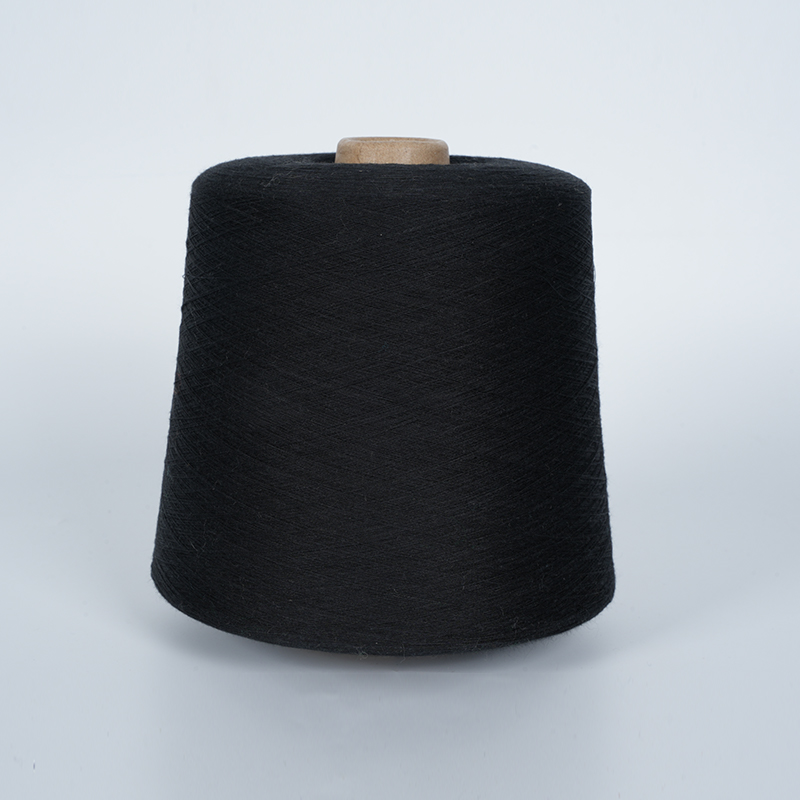
Is DK Weight the Same as Worsted? A Mill's Guide to Yarn Weight Differences
A pattern says worsted weight. Your stash has a DK label. The two balls look close enough, so you wonder whether you can use them the same way. The short answer is no: DK and worsted are not the same yarn weight. They sit in adjacent standard categories, and the difference in thickness can change gauge, fabric hand, and how much yarn you need. You can sometimes substitute one for the other, but only after treating the swap as a recalculation rather than a direct replacement.
Content
DK weight is usually labeled as category 3 Light. Worsted is category 4 Medium. That one-category difference is not just a minor technicality. A worsted yarn is thicker, heavier, and creates a firmer fabric with more insulation. A DK yarn is finer, lighter, and produces a softer, more fluid fabric. In practical terms, a sweater knitted in worsted will feel warmer and more structured; the same pattern knitted in DK, with adjusted gauge, will have a different drape and usually require more stitches to reach the same width.
Part of the confusion comes from the double meaning of the word "worsted." In most pattern contexts, "worsted" refers to a medium weight yarn. In the spinning industry, "worsted" can also describe a spinning method that combs and aligns fibers before twisting them, producing a smooth, dense, lustrous yarn.
These are not the same thing. A worsted-spun yarn can be spun at DK weight, sport weight, or any other count. When someone asks whether DK is the same as worsted, the question is almost always about the yarn weight. If you are sourcing yarn for production, however, it pays to clarify which meaning you are discussing because a worsted-spun DK yarn can behave quite differently from a woolen-spun DK yarn.
The widely used standard yarn weight system places DK at number 3 Light and worsted at number 4 Medium. This system gives useful reference ranges that are more reliable than names alone.
| Property | DK | Worsted |
|---|---|---|
| Standard yarn weight category | #3 Light | #4 Medium |
| Wraps per inch (WPI) | Approx. 11-12 | Approx. 9-10 |
| Stockinette gauge per 4 in / 10 cm | 21-24 stitches | 16-20 stitches |
| Suggested needle or hook size | 3.75-4.5 mm | 4.5-5.5 mm |
| Common alternative names | Light worsted, 8-ply | 10-ply, afghan weight |
WPI is a simple way to estimate weight: wrap the yarn around a ruler for one inch without overlapping. More wraps mean finer yarn. DK usually gives 11-12 wraps; worsted usually gives 9-10. Because fibers and finishing affect thickness, WPI can vary slightly, but the difference between these two categories is clear enough to see.
You can, if you are willing to change the result. A true DK yarn used where a pattern specifies worsted will usually create a narrower, lighter, less structured fabric. A worsted yarn used for a DK pattern will usually create a wider, firmer, and heavier fabric. The outcome depends on your needle or hook and your target gauge, so the first rule is always: make a swatch.
Before you substitute, check these points:
If your swatch matches the gauge written in the pattern, the label matters less. In practice, you may find that a heavy DK from one mill knits at the same gauge as a light worsted from another.
For knitted garments, the label can only do so much. If you buy from a supplier, the more important questions are about actual specifications. Ask about the metric count (Nm), tex, twist per metre, fiber blend, finishing process, shrinkage, and washability. A clear specification sheet tells you whether the yarn will behave the way your pattern expects.
For example, our Basolan-treated premium wool yarn is defined by count and finish, not by a generic weight term. That level of detail helps designers control gauge and performance from sample to production.
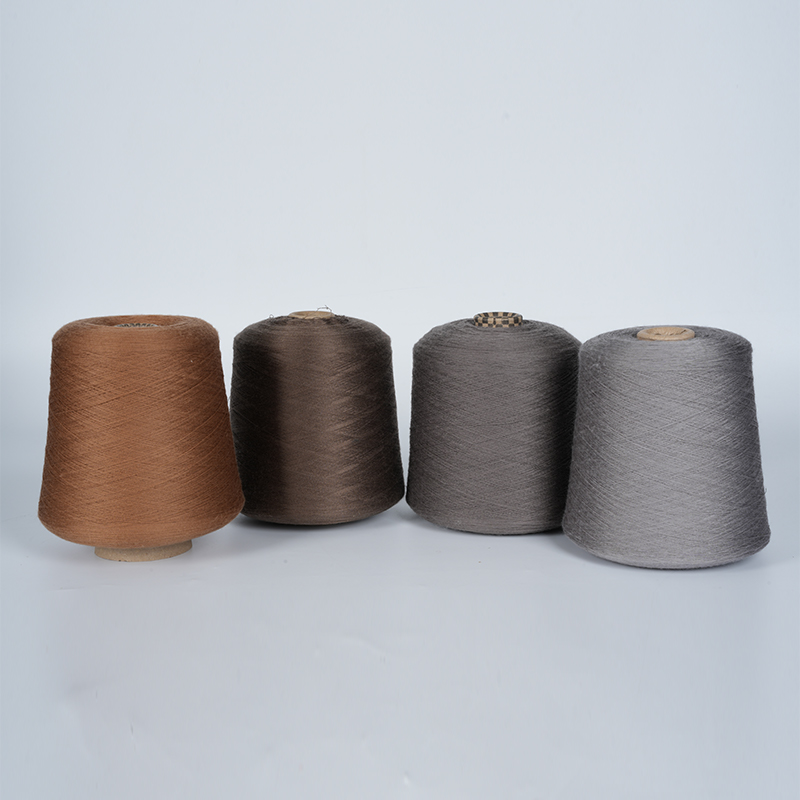 48Nm/2 Basolan Treated Premium Wool YarnThis fine wool yarn is defined by its 80s count and 18.5μm fiber diameter, with Basolan treatment for strength and pilling resistance. Its precise specification helps designers control gauge and performance from sample to production.View Product →
WPI remains useful for a quick bench check, but production yarn should be measured and documented. If a supplier cannot provide numbers, you are accepting more variability than a commercial project needs.
Start with the kind of garment you want to make. If you need a light layer for spring, a baby blanket that does not become too warm, or a shawl with fluid drape, DK is often the right choice. Worsted is stronger when you want a winter hat, a structured cardigan, a textured scarf, or a blanket that works up quickly.
Fiber content also shifts the result. A wool-silk blend can keep the fabric lighter and smoother, which makes a DK-weight project feel refined. Silk adds lustre while wool keeps the yarn elastic.
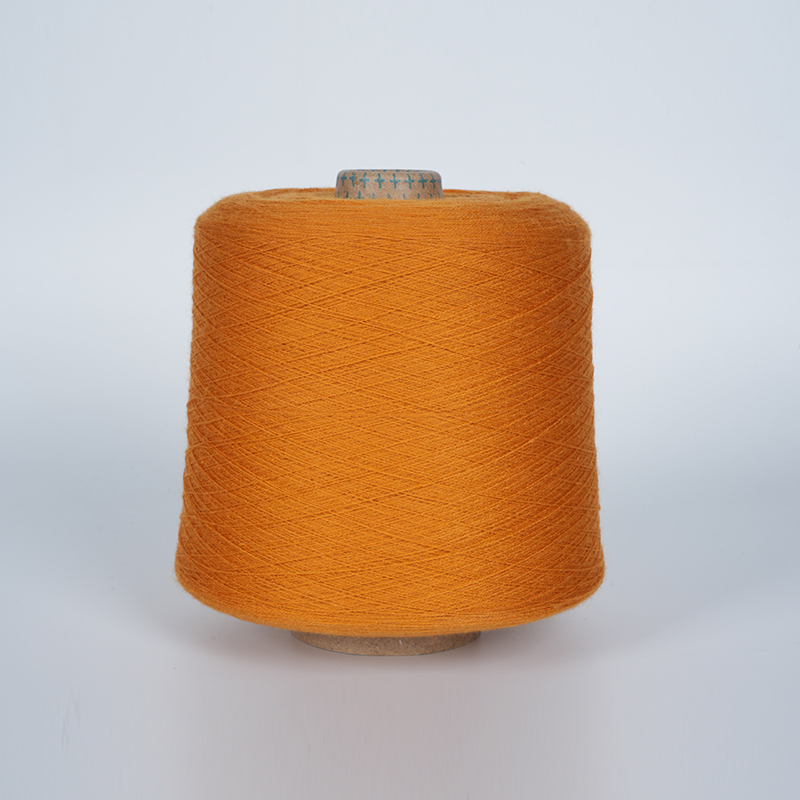 70Nm/2 90% Wool 10% Silk Blends YarnA refined wool-silk blend that keeps fabric lighter and smoother, adding lustre while retaining elasticity. Ideal for close-to-skin knitwear, this yarn offers a soft, durable feel worth checking for DK-weight projects.View Product →
The best way to decide is to knit or crochet a generous swatch, wash it the way you intend to wash the finished piece, and measure it again. Yarn can change after washing, and that change is sometimes enough to turn a DK into a light worsted.
No, DK weight is not the same as worsted weight. They are different categories with different thickness, gauge, and typical uses. You can substitute them when you account for gauge and accept the change in fabric behavior, but you should never treat the two as automatically interchangeable.
If you are mapping out a project or a new product line, start with a clear idea of the finished fabric you want. Then choose the weight and the fiber together. And if you need a more detailed overview of how yarn types compare, our complete guide to yarn types, selection, and uses is a good next step.
 Contact Us
 Products
 Send An E-mail
No. 189 Pengfei Road, Industrial Park, Tudian Town, Tongxiang City, Zhejiang Province, China
 Mobile


 English
 Français
 Español
 عربى
عربى