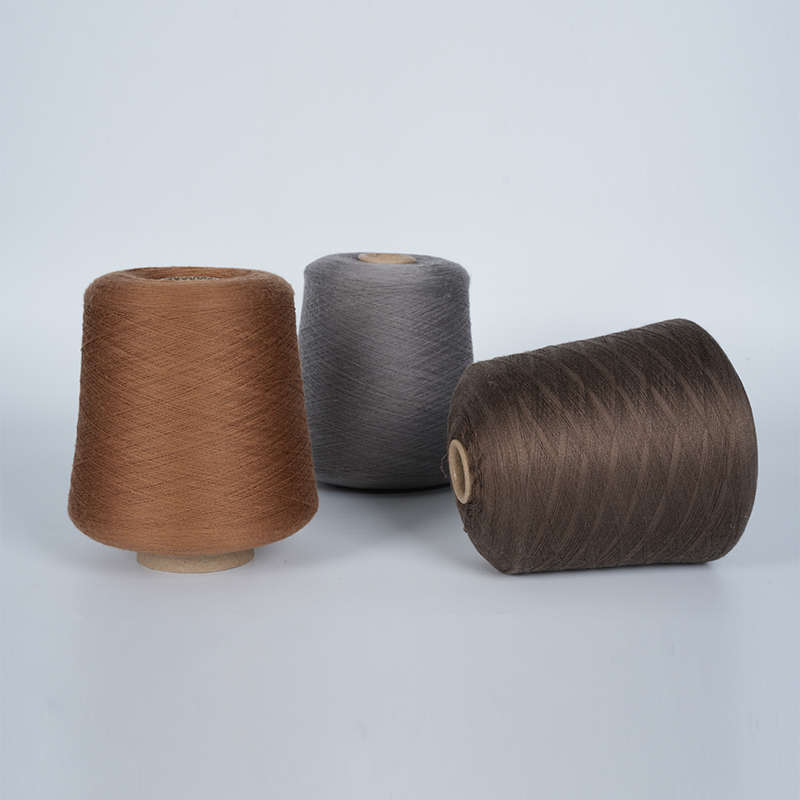
Is Yarn Wool? No, and Here Is What the Difference Means for Your Projects
You pick up a soft skein, see "wool yarn" on the wrapper, and then wonder whether every ball of yarn contains wool. The question "is yarn wool" has a clear answer: no. Yarn is the continuous strand of twisted fibers you knit, crochet, weave, or embroider with. Wool is one of the fibers that can be used to make that strand.
Content
Yarn is a product. Wool is a material. When wool fibers are cleaned, aligned, and twisted into a strand, the result is wool yarn. When cotton, silk, acrylic, or linen fibers go through a similar process, the result is still yarn, but it is not wool.
This distinction changes purchasing decisions. If you are allergic to wool, you cannot simply look for the word "yarn" on a label. If you need a machine-washable sweater, an untreated wool yarn may disappoint you in the first wash. The only way to know is to check the fiber content.
Yarn is made from fibers that are drawn out and twisted to create a long, continuous strand. The twist keeps the fibers together and gives the yarn strength. Depending on the fiber and the amount of twist, yarn can be smooth or hairy, dense or airy, sturdy or delicate.
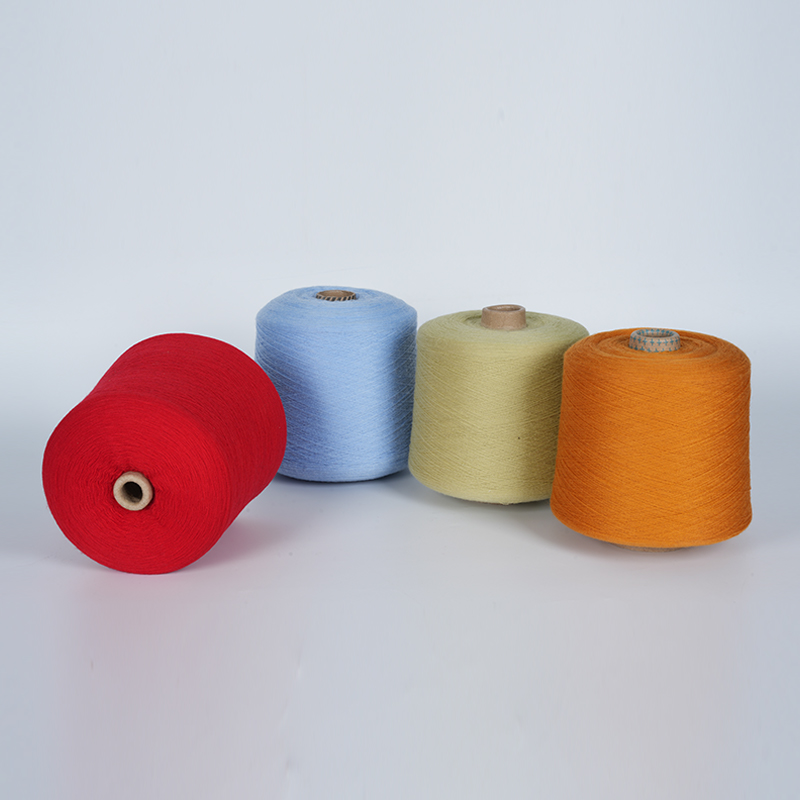
The range of possible raw materials is very broad:
All of these can be spun into yarn. That is why "yarn" and "wool" cannot be used as exact synonyms.
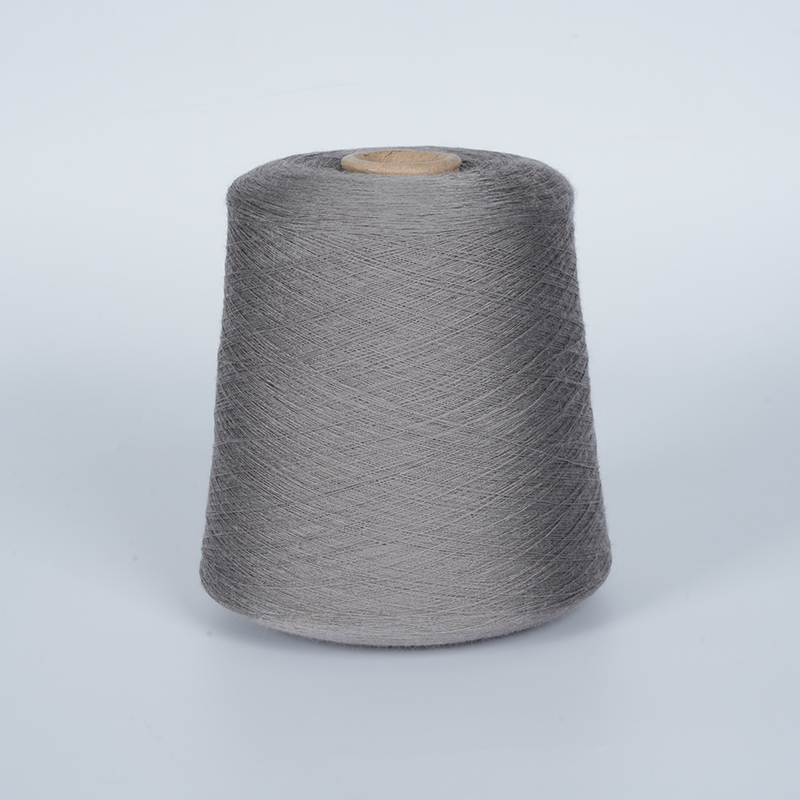
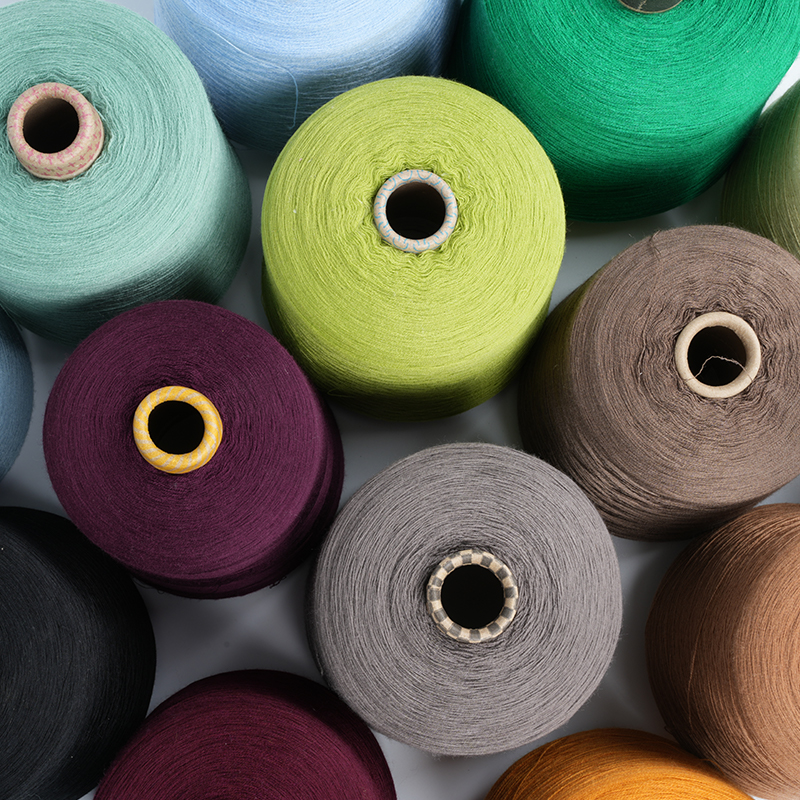 48Nm/2 100% Australian Pure Wool YarnThis fine 66s wool yarn uses 20.5-micron Australian fibers for a soft, resilient hand. It suits premium sweaters and scarves, with natural elasticity and breathability worth considering.View Product →
Wool is the natural protein fiber that grows on sheep. It has a natural crimp, which gives it elasticity and helps spun yarn hold its shape. Wool also absorbs moisture, resists odor, and keeps its insulating ability even when damp.
Wool is not a single, identical fiber. Merino wool is fine and soft, lambswool comes from young sheep, and Shetland wool has a more rustic texture. When a yarn is labeled "pure wool," it means the fiber content is sheep's wool, with no other fiber blended in. The count and ply still vary, which is why one pure wool yarn can feel very different from another.
If the definitions feel abstract, the table below summarizes the practical differences.
| Feature | Yarn | Wool |
|---|---|---|
| Definition | A continuous strand of twisted fibers | A natural protein fiber from sheep |
| Source | Animal, plant, synthetic, or regenerated fibers | Sheep fleece |
| Processing | Fibers are carded, drawn, twisted, and plied | Fleece is scoured, carded, spun, and often treated |
| Finished form | Yarn, thread, or cord | Fiber, roving, yarn, felt, or fabric |
| Care | Depends on fiber content and construction | Usually requires gentle washing and flat drying |
| Warmth | Varies widely by fiber | Naturally insulating and breathable |
Wool is a subset of the materials used to make yarn. The table shows why "is yarn wool" has a clear answer: no, but wool yarn certainly exists.
Casual craft talk explains part of the confusion. In some regions, "wool" became the default word for yarn because wool was the material most knitters used. Even today, a pattern might say "worsted-weight wool" when it really means "worsted-weight yarn," and a store shelf labeled "wool" may be full of acrylic.
This shorthand is harmless until you need a specific result. A cotton yarn and an acrylic yarn can have the same thickness but completely different stretch, breathability, and care requirements. Treating every yarn as wool is one of the most common reasons a finished project looks nothing like the pattern photo.
When you ask "is yarn wool," the label is the first place to look. Yarn labels carry the same basic categories of information across most brands.
If the label says "wool yarn" but does not show a fiber percentage, the word "wool" may be used loosely. A product labeled "wool blend" should state the exact percentage, such as 60% wool and 40% silk.
Ask what the finished piece will do before you choose a fiber. A wool scarf makes sense for winter because wool traps heat and handles damp weather well. A cotton kitchen towel makes sense for daily use because cotton is absorbent and easy to wash. A children's toy may be better in machine-washable acrylic or easy-care wool.
For a more detailed comparison of fiber categories, see our complete guide to yarn types, selection, and uses.
Once you decide on wool, the next question is whether you need 100% wool, a treated wool yarn, or a wool blend. Each option changes how the yarn feels, how it behaves during knitting, and how the finished garment performs.
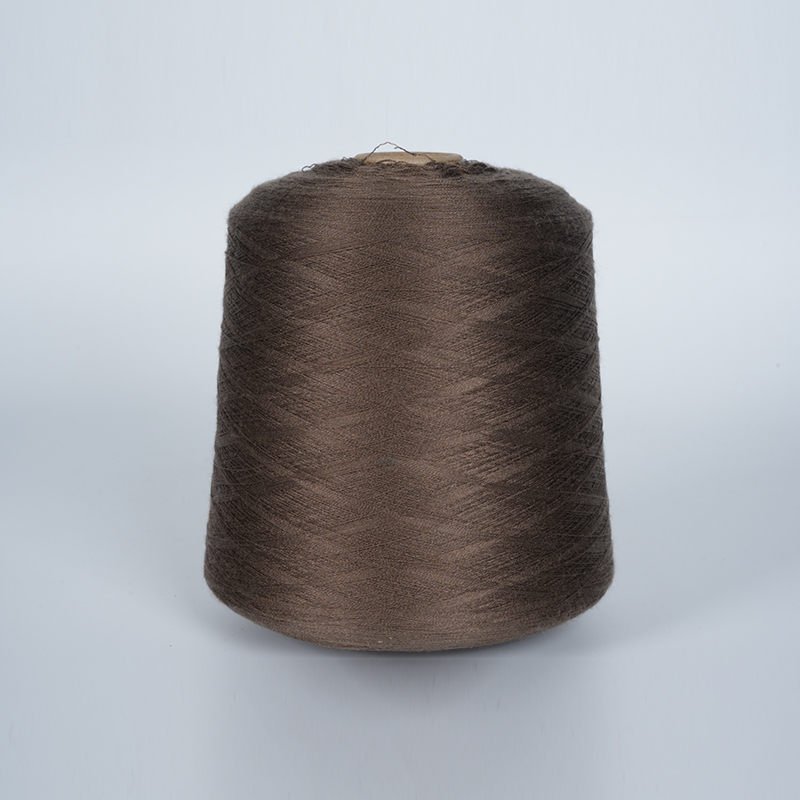
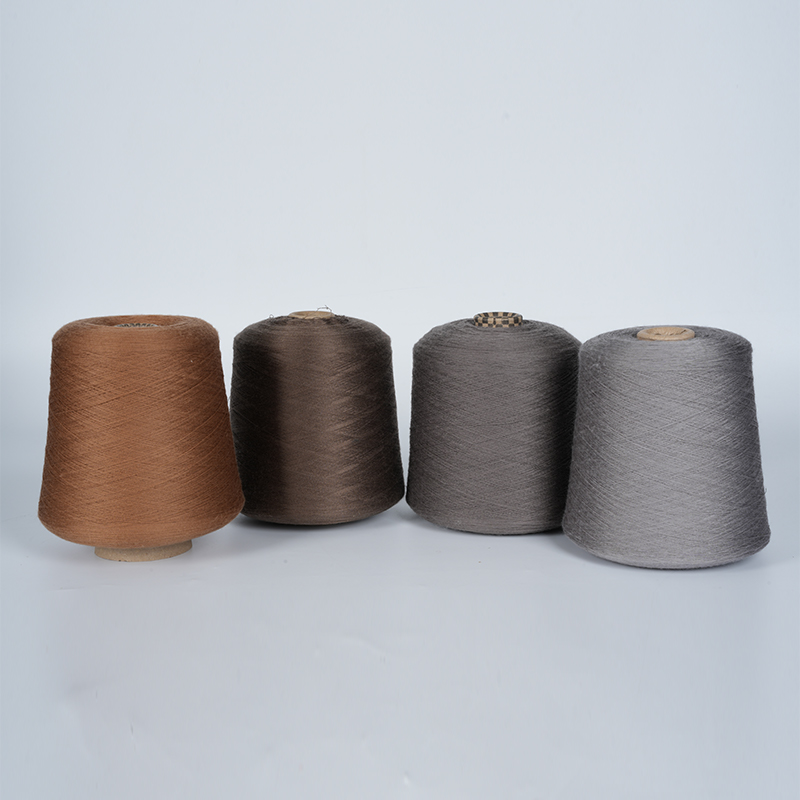 48Nm/2 Basolan Treated 80s Wool YarnThis 18.5-micron wool is Basolan-treated to improve softness and reduce pilling. It feels comfortable against skin, making it a practical option for crew-neck sweaters and close-fitting wear.View Product →
Basolan treatment smooths the wool surface and makes the yarn feel less scratchy against the skin. It is a practical choice for crew-neck sweaters, cowls, and any garment worn close to the body. The wool retains its natural warmth and elasticity, but the hand feel becomes much more comfortable.
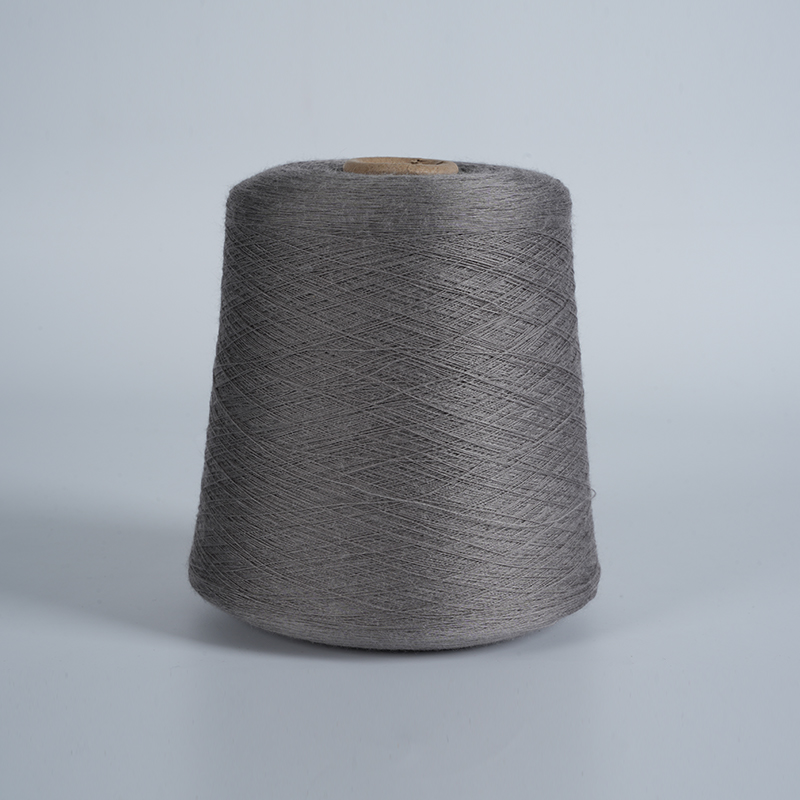
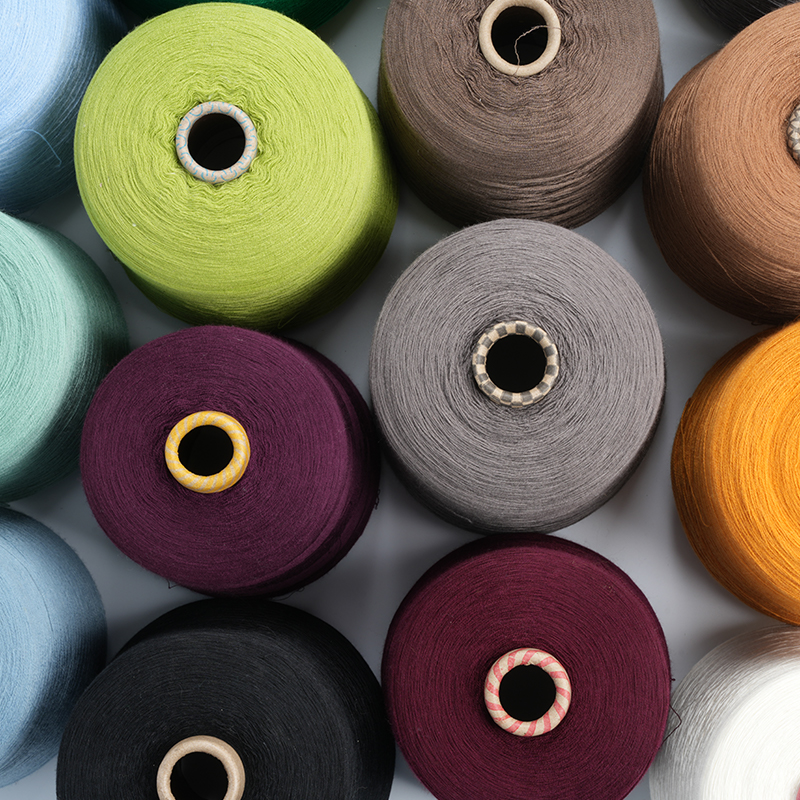 70Nm/2 60% Wool 40% Silk Blend YarnCombining wool with silk adds smoothness, luster, and drape while retaining warmth. Ideal for shawls and lightweight elegant sweaters, this blend offers a refined finish for accessories.View Product →
Adding silk to wool changes the personality of the yarn. Silk contributes smoothness, luster, and drape, while wool keeps the yarn springy and warm. A 60% wool and 40% silk blend is a favorite for shawls, lightweight sweaters, and accessories that need a hint of elegance.
Because wool is an animal fiber, it responds differently to water, heat, and agitation than cotton or acrylic. Most wool yarns should be washed in cool or lukewarm water with a gentle detergent, then dried flat away from direct heat. Machine washing on a normal cycle can cause felting if the yarn has not been treated for easy care.
If you are making a garment that will be washed often, look for a Basolan-treated or easy-care wool yarn, or choose a blend that includes a washable fiber. To extend the life of your finished piece, follow the care instructions on the yarn label and store it in a moth-proof container.
At a wool spinning mill, the difference between "wool" and "yarn" is visible on the production floor. Raw fleece arrives as tangled fiber, not as yarn. It must be scoured, carded, drawn, spun, and plied before it becomes usable. The same batch of wool can be made into a soft fine-count yarn such as 48Nm/2 for knitwear or a thicker 28Nm/3 yarn for outerwear.
This is why fiber content is only part of the story. Yarn count, twist, blend ratio, and finishing all determine how a wool yarn performs in a specific garment. As a custom wool yarn manufacturer, our job is to match those parameters to the customer's application, from raw material selection through final testing.
Browse our wool yarn collection to compare counts, blend ratios, and finishing options side by side.
So, is yarn wool? No. Yarn is the strand you work with, and wool is one of the many fibers that can be used to make it. Read the fiber content, consider the care requirements, and choose a yarn that matches the project. When you do need wool, a quality wool yarn can deliver warmth, elasticity, and durability that few other fibers can match.
 Contact Us
 Products
 Send An E-mail
No. 189 Pengfei Road, Industrial Park, Tudian Town, Tongxiang City, Zhejiang Province, China
 Mobile


 English
 Français
 Español
 عربى
عربى