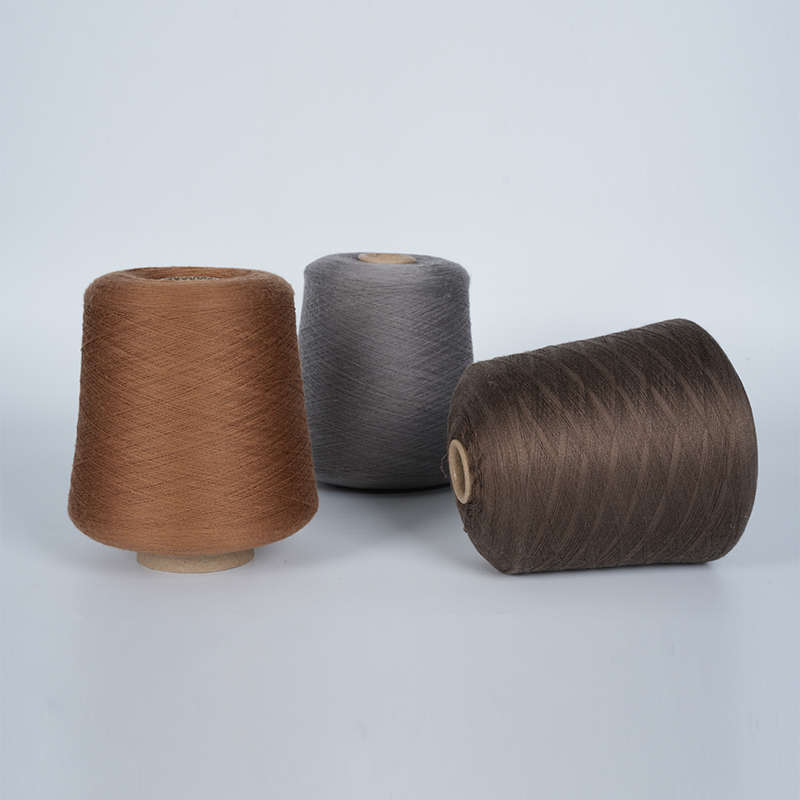
Understanding the Types of Wool for Knitting: Merino, Shetland, and Worsted-Spun Yarn
Pick up a skein labelled "wool" and you have only the beginning of the story. Merino, Shetland, Bluefaced Leicester, woolen-spun, worsted-spun, superwash, and blended with silk: all of them are wool, but each one performs differently on the needles and in the finished piece. For both hand knitters and brands ordering production yarn, the real question is not "Is it wool?" but "Which wool, and how was it made?" This guide breaks down the main types of wool for knitting so you can choose a yarn with confidence rather than guesswork.
Content
The fiber diameter, usually expressed in microns, drives softness. Finer wools bend easily against the skin, while coarser wools feel stiffer and wear harder. Staple length, crimp, and scale structure also matter. Merino is the benchmark for fine, soft wool, but it is not the only good choice for knitting.
| Wool type | Micron range | Texture | Best knitting uses |
|---|---|---|---|
| Merino | 17-22 | Fine, soft, springy | Next-to-skin sweaters, baby garments |
| Shetland | 23-28 | Crisp, lofty, matte | Stranded colorwork, Fair Isle |
| Bluefaced Leicester | 24-28 | Lustrous, strong, smooth | Socks, shawls, cables |
| Corriedale | 24-30 | Balanced, bouncy, easy to knit | Beginner garments, hats |
| Romney | 29-35 | Resilient, slightly coarse, shiny | Outerwear, bags, home textiles |
These ranges are rough guides because fleece varies within a sheep and according to processing. A worsted-spun Merino in a tight twist can feel firmer than a woolen-spun Merino, so breed is only the first layer. When you need a clean, consistent wool base for a contract knitting program, a controlled 48Nm/2 pure wool yarn helps keep gauge and hand feel predictable.
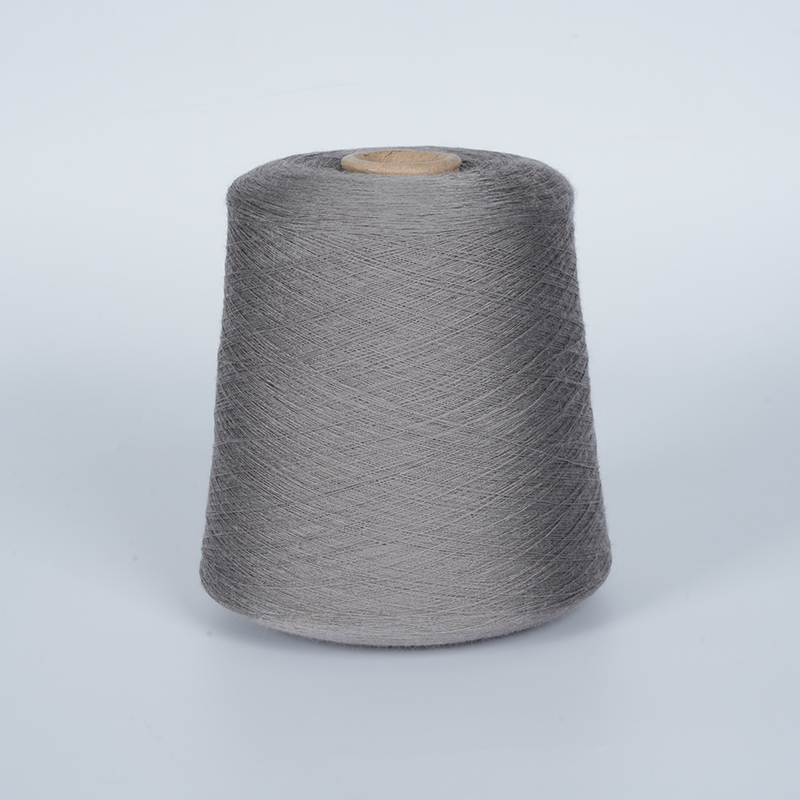
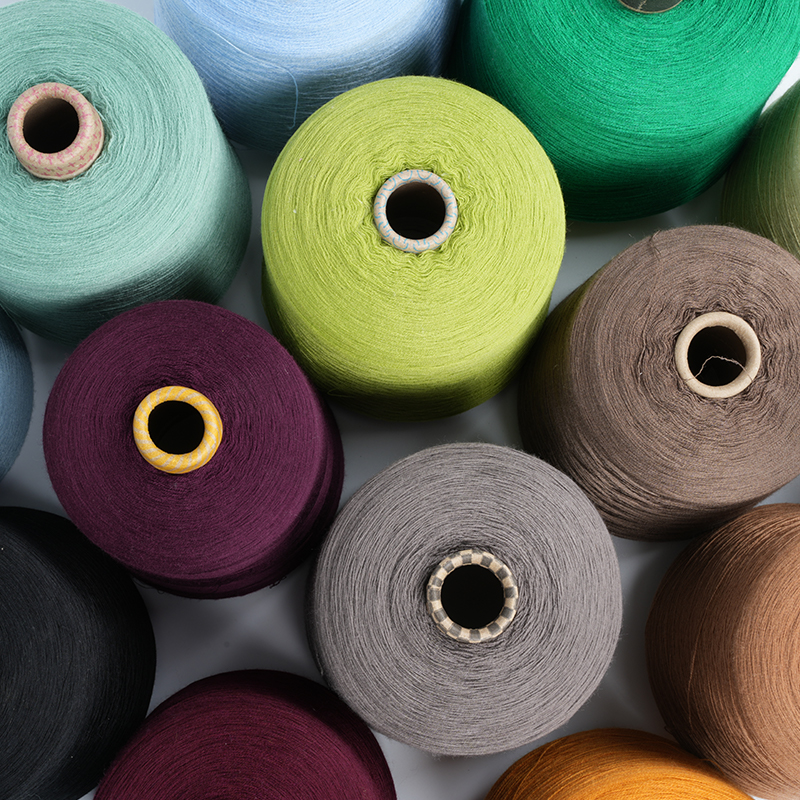 48Nm/2 Pure Wool Yarn with 20.5 Micron Australian WoolThis pure Australian wool yarn offers a balanced 48Nm/2 count and 20.5 micron fineness, delivering a soft yet sturdy hand. It supports predictable gauge and consistent performance, making it a reliable base for contract knitting programs.View Product →
Woolen-spun yarns are carded so the fibers point in many directions; they trap air, look soft and fuzzy, and make light, warm knitting. Worsted-spun yarns are combed so the fibers lie parallel; the yarn is denser, smoother, and shows cables and textured patterns with crisp edges. This is why the word "worsted" appears twice in knitting: it names both a spinning style and a common yarn weight, and the two are related but not identical.
| Construction | Effect on yarn | Best project types |
|---|---|---|
| Worsted-spun | Smooth, strong, dense | Cables, textured stitch patterns |
| Woolen-spun | Lofty, soft, airy | Hats, scarves, soft sweaters |
| High twist | Firm and elastic | Socks, gloves, durable items |
| Low twist | Soft and drapey | Lace shawls, light wear |
| Superwash or easy-care | Resists felting and shrinking | Everyday knitwear, children's clothes |
Finishing is just as important as spinning. Anti-felting treatments coat or modify the wool scale surface so a garment can survive machine washing without shrinking into a smaller size. In our own production, Basolan Treated Premium Wool Yarn is one of the most requested options for designers who want the hand feel of wool and the convenience of modern care.
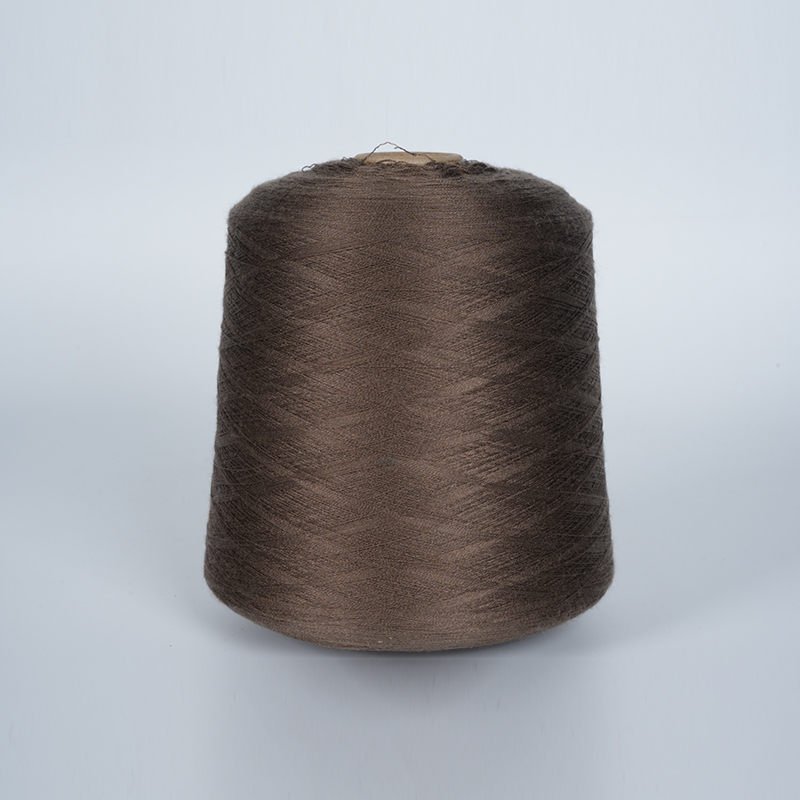
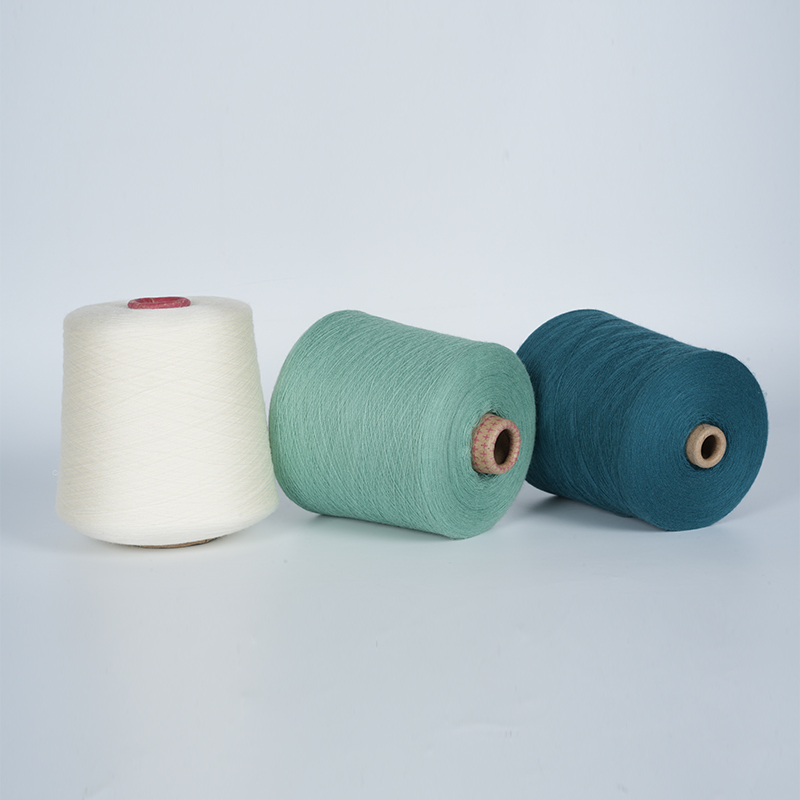 60Nm/2 Basolan Treated Premium Wool Yarn with Anti-Felting FinishBasolan treatment enhances this fine 18.5 micron wool yarn for machine-washable durability and reduced pilling. At 60Nm/2, it keeps a soft hand while providing convenience for designers seeking modern-care wool garments.View Product →
Yarn count and ply do the rest. When a mill quotes a yarn as 48Nm/2 or 28Nm/3, the second number is the number of plies twisted together. The first number describes the fineness of each single before plying. Together they give the final thickness, so a 28Nm/3 yarn is a different product from a 48Nm/2 even if both are pure wool.
Blending is another axis in wool selection. Pure wool has elasticity, warmth, and breathability, but it does not do everything by itself. Silk adds luster and tensile strength; Tencel adds a cool, fluid hand; acrylic adds affordable bulk and easy care; cotton lowers the warmth for transitional seasons. Each partner changes gauge, drape, shrinkage, and price.
| Blend partner | Contribution | Typical use |
|---|---|---|
| Silk | Shine, drape, strength | Fine-gauge sweaters, shawls |
| Tencel | Softness, cool feel, fluid drape | Summer knitwear |
| Cashmere protein fiber | Extra softness, thermal comfort | Premium knitwear |
| Acrylic | Affordability, easy care, color depth | Everyday garments |
| Cotton | Breathability, structure | Transitional warm-weather knits |
Wool and silk is a classic pairing for good reason. A 90 percent wool, 10 percent silk yarn keeps the wool character but gives the fabric a subtle glow and more tensile strength; a 60/40 version becomes heavier and drapes like a luxury fine-gauge yarn. For a softer but still wool-dominant hand, a 70Nm/2 90/10 wool silk blend is an excellent place to start when you experiment with premium fibers. You can also compare the full natural blends yarn range to see how different partners affect hand feel.
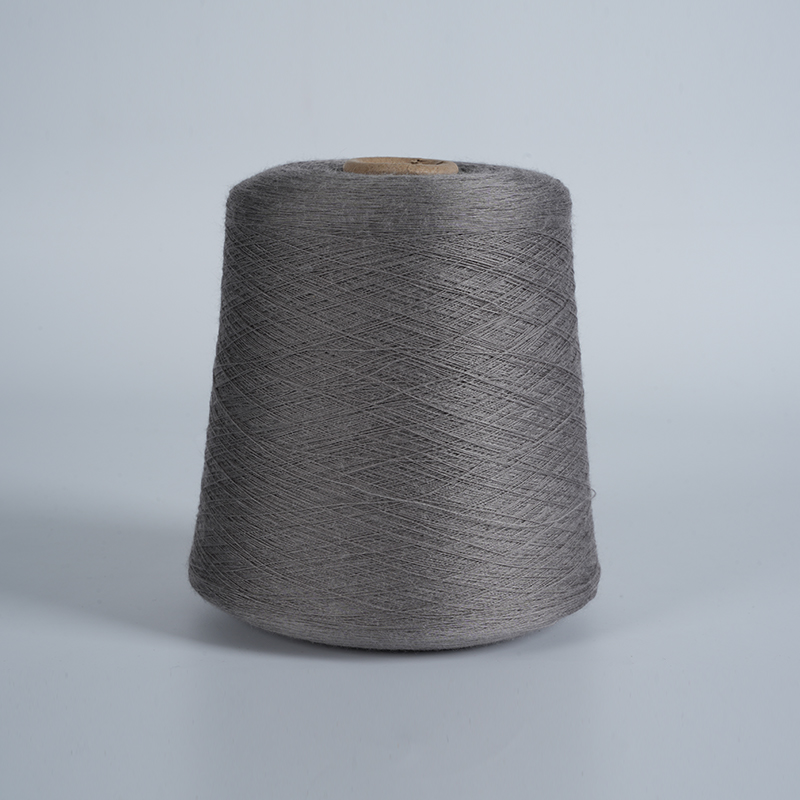
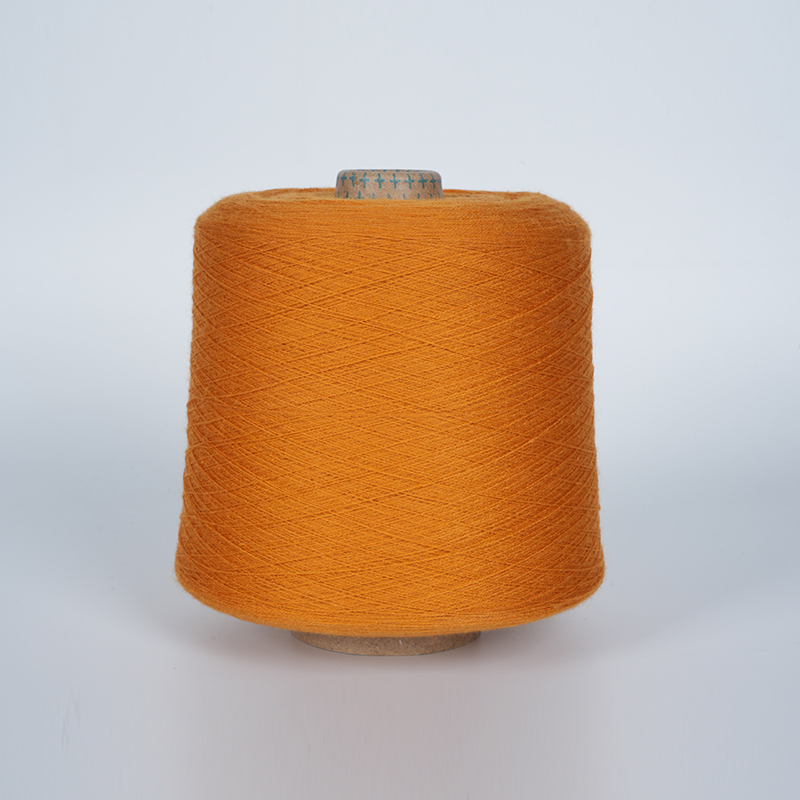 70Nm/2 90% Wool 10% Silk Blended YarnThis wool-silk blend combines 90% wool for warmth and resilience with 10% silk for a subtle luster and smoother surface. At 70Nm/2, it offers elegant drape, making it an ideal starting point for premium lightweight knitwear.View Product →
Do not assume every "wool blend" is the same. Percentages alter everything: 80 percent wool, 20 percent ramie is much crisper than 60 percent wool, 40 percent silk, and a wool-acrylic blend with 80 percent acrylic is closer to synthetic performance than to wool. When a brand orders custom yarn, we always ask for the exact ratio before we quote a count.
Lambswool is the first shearing from a young sheep, not a particular breed. It can combine the softness of fine Merino or the spring of a down-type wool, so check the micron range before assuming it is gentle. Superwash wool is also a claim about processing: the scales are smoothed or coated to prevent felting, which changes both care and hand feel. "Worsted" can mean either a smooth, combed spinning style or a medium-weight yarn in some systems. When a label uses one of these broad terms, ask what breed and count are underneath.
Start with the pattern. It gives you the yarn weight, so focus on that number first, then choose a breed and spinning style. A fine Merino in a tight twist is a safe choice for a baby sweater. A woolen-spun Shetland suits a colorwork yoke. A Basolan-treated yarn is the practical option for a garment that will be washed often. If the design calls for fluid drape, choose a wool silk blend and be ready to handle it with more care.
Make a swatch before you commit. Two yarns with the same micron count can produce different gauges because of twist and finishing. When you substitute, compare both yarn weight and spinning method. You can work through the details with our complete guide to yarn types, selection, and uses, but the short rule is: define the wool by specification, not just by the word "wool."
For a designer or a knitwear brand, that specification usually includes the fiber mix, metric count, twist level, finish, and dyeing route. At a spinning mill, these variables are what turn a raw fleece into a predictable yarn. Once you understand each one, the phrase "types of wool for knitting" becomes less about memorizing names and more about matching a material to a garment's job.
 Contact Us
 Products
 Send An E-mail
No. 189 Pengfei Road, Industrial Park, Tudian Town, Tongxiang City, Zhejiang Province, China
 Mobile


 English
 Français
 Español
 عربى
عربى