Wool Acrylic Blend Yarn: Properties, Uses & How to Choose
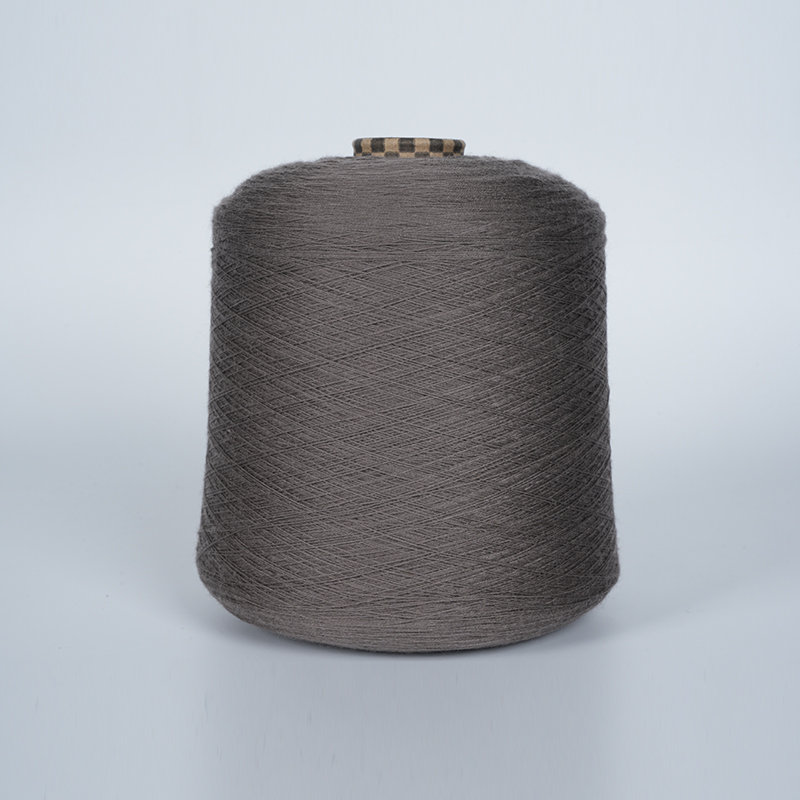
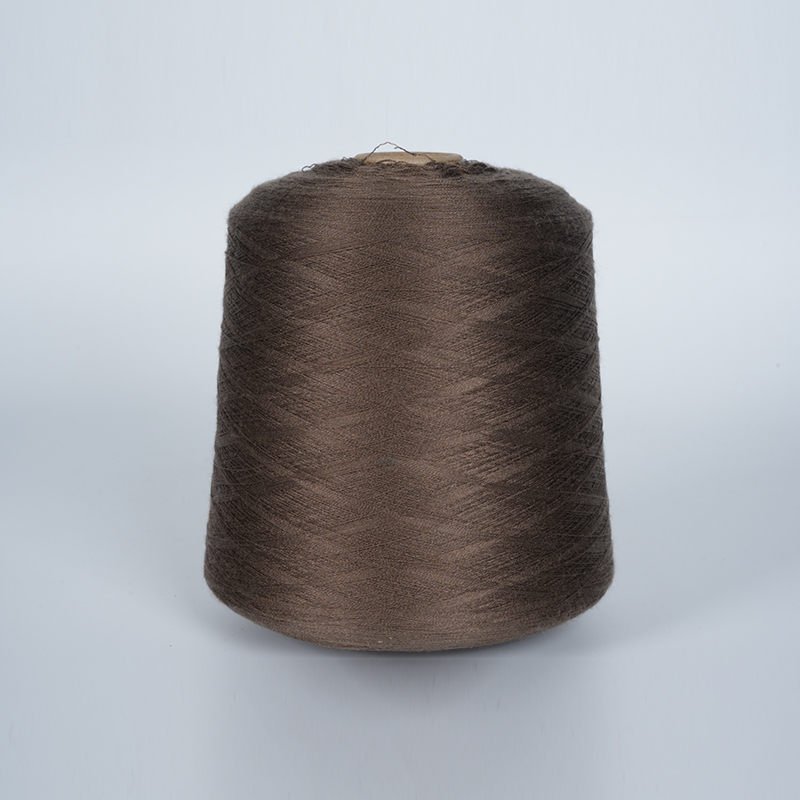
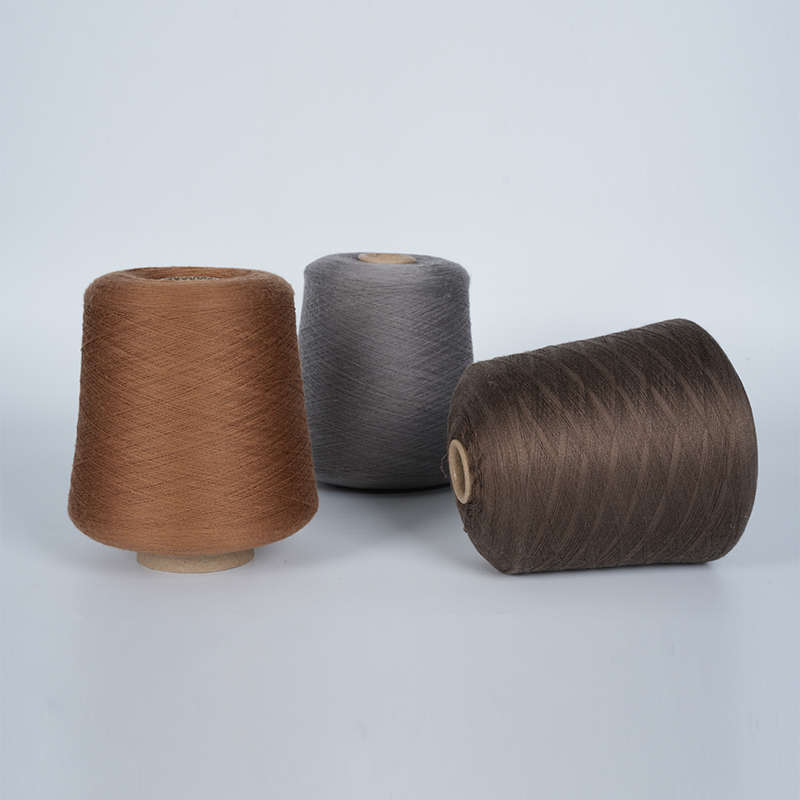
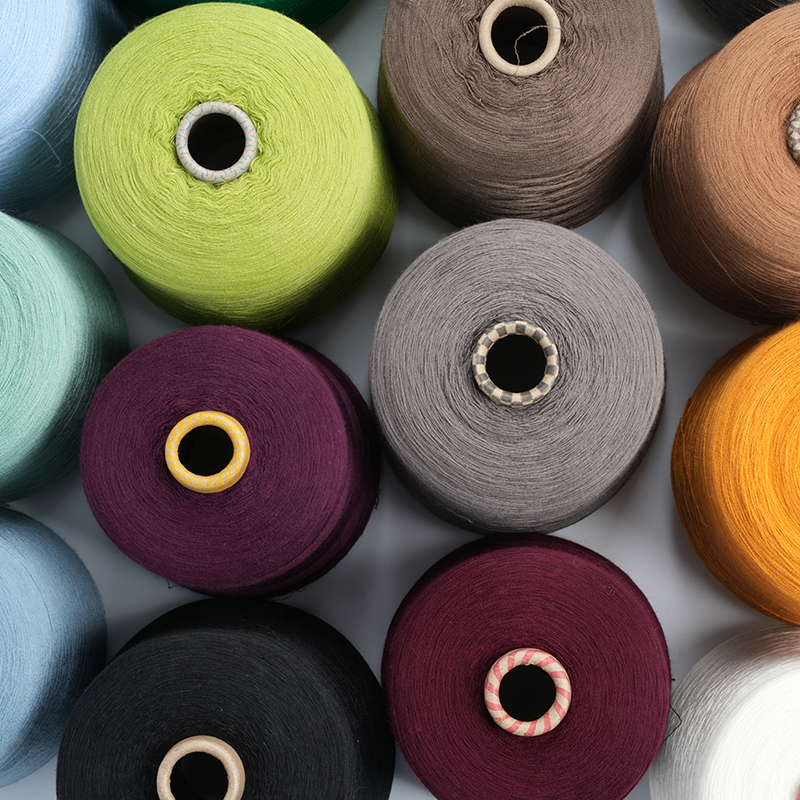
Wool acrylic blend yarn combines the natural warmth and elasticity of wool with the durability and easy care of acrylic fiber. It is one of the most practical choices for knitters and crocheters who want the feel of natural fiber without the high maintenance. Blends typically range from 50/50 to 80% wool / 20% acrylic, and each ratio behaves differently on the needles and in the wash.
This guide covers what makes these blends work, how to read blend ratios, which projects suit them best, and what to watch for when buying.
Content
Pure wool is warm, breathable, and naturally elastic — but it can felt in the wash, pill quickly on low-quality grades, and cost significantly more per skein. Pure acrylic is cheap and machine washable, but it lacks breathability and the distinctive "memory" that lets wool stitches spring back into shape.
Blending the two fibers targets the weaknesses of each:
A well-known example is Lion Brand Wool-Ease, a 80% acrylic / 20% wool blend sold in hundreds of colorways that has been a staple in the market for decades precisely because of this balance.
The percentage of each fiber directly affects how the finished yarn performs. Below is a practical breakdown of common ratios:
| Blend Ratio (Wool / Acrylic) | Key Character | Best For | Wash Care |
|---|---|---|---|
| 20% / 80% | Mostly acrylic feel, slight warmth boost | Large blankets, beginner projects | Machine wash safe (cool) |
| 50% / 50% | Balanced softness and durability | Sweaters, hats, mittens | Gentle machine or hand wash |
| 75% / 25% | Predominantly wool properties | Colorwork, structured garments | Hand wash recommended |
| 80% / 20% | Near-wool behavior, felting risk reduced | Socks, outerwear accessories | Hand wash or wool cycle |
As a rule of thumb, once wool content exceeds 50%, treat the yarn as you would pure wool for washing purposes, even if the label suggests a machine wash option.
Wool is an excellent insulator due to its crimped fiber structure that traps air. Even a 20% wool content contributes measurable warmth over 100% acrylic. A 50/50 blend scores roughly 15–25% better on thermal retention tests than pure acrylic of the same weight, according to fiber performance studies from textile labs.
Wool's natural crimp gives stitches a springy memory. This is especially visible in ribbing and cables — they "pop" more clearly with higher wool content. At 80% wool, a blend behaves nearly identically to pure wool for colorwork or textured stitch patterns.
Acrylic fibers are significantly stronger in abrasion tests than most wool grades. Adding even 25–30% acrylic to a yarn extends the wearable life of socks and elbows by an estimated 30–50% compared to pure wool constructions, which is why most commercial sock yarns use a wool/nylon or wool/acrylic hybrid.
Itchiness in wool comes from fiber diameter. Coarser Shetland or Bluefaced Leicester wools (above 30 microns) can irritate sensitive skin even in a blend. If the yarn will touch skin directly — baby garments, scarves, or hat linings — look for blends that specify merino or superwash wool, which typically measure below 22 microns and feel noticeably softer.
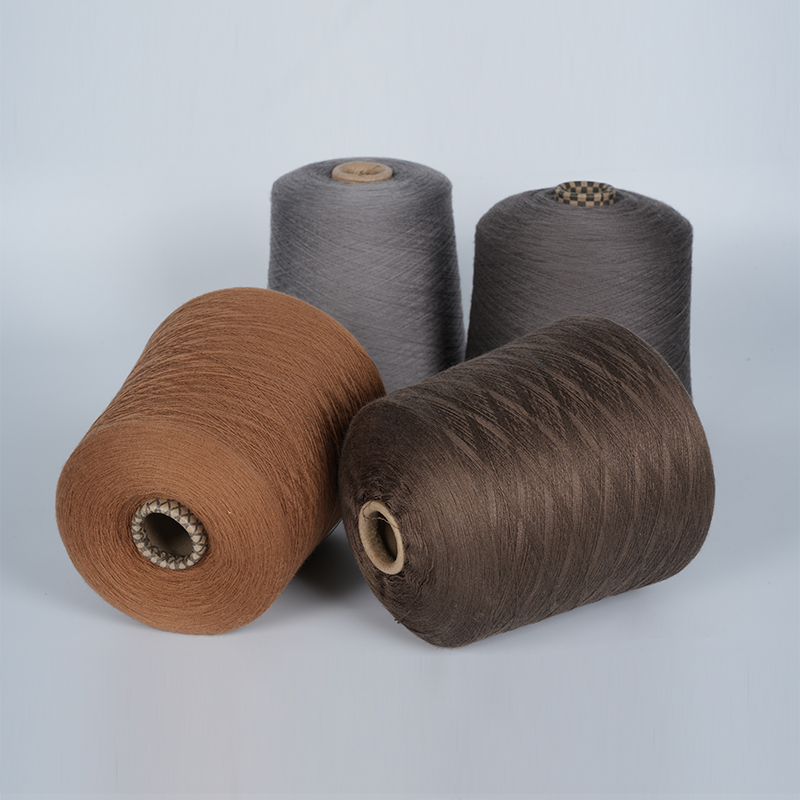
Not every project suits a blend equally well. Here is where these yarns genuinely shine:
Where blends are less ideal: fine lace shawls (pure wool drapes more fluidly) and projects intended for felting (the acrylic prevents controlled felting).
Yarn labels carry the information needed to make a good decision, but a few things are worth knowing before you buy:
Fibers are listed in descending order by percentage, just like food ingredients. A yarn labeled "Acrylic 75%, Wool 25%" behaves much more like acrylic than one labeled "Wool 75%, Acrylic 25%." Do not assume a 50/50 split unless it is stated explicitly.
Superwash wool has been treated to remove the microscopic scales that cause felting. A blend using superwash wool at any percentage is significantly safer to machine wash than one using untreated wool. Brands like Cascade 220 Superwash and Paintbox Simply DK Wool Mix use superwash merino for this reason.
Blend ratio does not override yarn weight. A bulky 80/20 blend and a fingering-weight 80/20 blend will produce very different fabric even from the same fiber composition. Always swatch to your pattern's gauge before starting a garment.
Extremely cheap "wool blend" yarns sometimes use low-grade wool scraps with high micron counts, resulting in scratchy fabric. A mid-range price — roughly $8–$16 per 100g skein for a quality DK or worsted blend — usually indicates better fiber sourcing and more consistent twist.
Care rules depend heavily on wool content and whether superwash treatment was applied. Follow these general guidelines:
When in doubt, treat the entire garment according to the most delicate fiber present — which is almost always the wool.
A few well-regarded options that illustrate different ends of the blend spectrum:
Wool acrylic blend yarn is not a compromise — it is a deliberate engineering choice that makes a wide range of projects more practical without eliminating what makes wool valuable. For most everyday knitting and crochet projects, a 50/50 or 75/25 blend (wool-dominant) hits the best balance of performance and care ease.
Focus on the specific blend ratio, whether superwash treatment is present, and the micron count of the wool if softness is a priority. Those three data points will tell you more about how a yarn will actually perform than the brand name or price alone.
 Contact Us
 Products
 Send An E-mail
No. 189 Pengfei Road, Industrial Park, Tudian Town, Tongxiang City, Zhejiang Province, China
 Mobile


 English
 Français
 Español
 عربى
عربى