Wool Types for Knitting: Breed Fibers, Blends, and Smart Yarn Selection
The right wool for knitting is rarely the softest skein on the shelf. It is the one whose fiber diameter, crimp, and yarn structure match the wear point, wash routine, and stitch pattern. A 19-micron merino may feel comfortable at the neck but pill under a strap; a 28-micron Corriedale may hold shape in a mitt but feel rough in a baby hat. Compare wool types by measurable traits rather than by label. For a broader reference, see the complete guide to yarn types and uses.
Content
Fiber diameter, usually given in microns, is the first number to check when softness matters. As a working rule, fibers under about 22 microns are comfortably next-to-skin for most knitters; 23 to 26 microns suit sweaters and accessories worn over a layer; 27 microns and above are better for outerwear and heavy abrasion. The threshold is personal, and twist, ply, and finishing can soften or sharpen prickle. A tightly twisted 24-micron yarn may feel cleaner than a loose 21-micron yarn with many fiber ends exposed.
Breed sets the typical range. Merino is fine and crimpy; Bluefaced Leicester is longer, stronger, and lustrous; Shetland is light and haloed; Corriedale is a rounded all-purpose wool; Romney is a longwool with more drape and strength. Lambswool is not a breed but the first shearing from a young sheep, so softness still depends on the breed behind it.
| Wool type | Typical fiber diameter | Knitting character | Good for |
|---|---|---|---|
| Merino | 17-24 microns | Soft, fine, good elasticity; can pill in soft-spun yarns | Base layers, baby garments, socks, fine-gauge sweaters |
| Bluefaced Leicester | 24-28 microns | Lustrous, strong, clear stitch definition; less halo | Sweaters, shawls, colorwork, durable accessories |
| Shetland | 20-30 microns | Light, warm, soft halo; good color blending | Colorwork, lace, lightweight sweaters |
| Corriedale | 25-31 microns | Balanced, durable, good stitch definition; can feel dry | Everyday sweaters, mittens, outerwear |
| Romney | 29-36 microns | Strong, lustrous, more drape; less next-to-skin softness | Cardigans, coats, bags, home textiles |
| Lambswool | Breed-dependent, often 18-24 microns | Soft first-shearing fiber; tends to pill in loose spins | Soft accessories, baby items, lightweight sweaters |
| Alpaca (not sheep wool) | 18-35 microns by grade | Warm, smooth, high drape; low elasticity | Shawls, outerwear, blends with wool for memory |
Fine wools such as merino and many lambswool lots are the first choice for next-to-skin knitting, but they are not automatically best for hard-wearing daily pieces. Fine fibers bend easily, which gives softness, but they also migrate to the surface under abrasion and form pills. A sock in pure 19-micron merino may feel luxurious and still wear through at the heel faster than a wool/nylon blend. For a sweater worn weekly, a 24- to 27-micron wool or a fine wool blended with a stronger fiber often gives better service life.
Bluefaced Leicester and other medium wools sit in a useful middle ground: soft enough for many knitters, strong enough for cables and knit-purl textures, and lustrous enough to keep dark colors from looking flat. Shetland is traditional for colorwork because its halo softens pattern edges and its light weight adds warmth without bulk. Corriedale is a practical default for mittens, everyday sweaters, and children's outerwear where shape retention matters more than cloud-like softness.
Longwools such as Romney produce a stronger, more drapey fabric with a polished surface. They are less suited to a turtleneck against sensitive skin, but they make excellent cardigans, coats, and structured bags. Alpaca can add drape to a shawl, but it has little natural memory; blending it with wool improves elasticity.
Two yarns from the same breed can knit into very different fabrics. Woolen-spun yarns are carded, airy, and fuzzy; they trap warmth, bloom after blocking, and blur stitch definition. Worsted-spun yarns are combed, smoother, and denser; they show cables and colorwork clearly and resist surface pilling, though they can feel firmer in the skein. A worsted-spun merino at a tight gauge may be excellent for a hard-wearing sweater, while a woolen-spun merino at a loose gauge is better for a soft, lightweight hat.
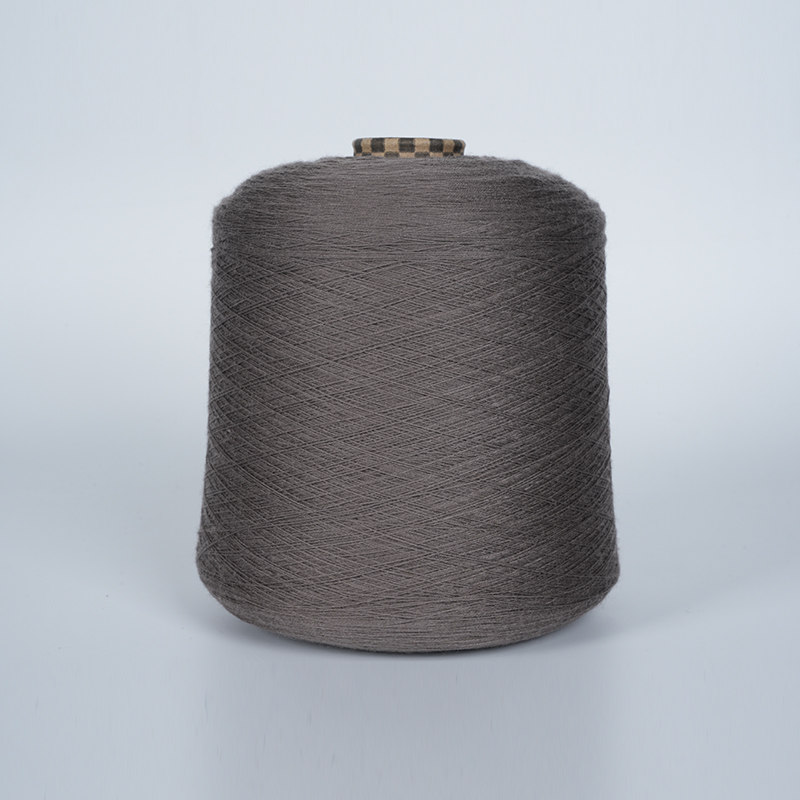
Ply count also matters. A 2-ply yarn has a more pronounced diagonal twist and often more drape; a 3-ply is rounder, stronger, and more balanced for textured stitches. In factory specifications, Nm/2 and Nm/3 indicate metric count and ply: 48Nm/2 is finer than 30Nm/3, and a higher Nm number means more length per unit weight. For example, a 48Nm/2 easy-care premium wool yarn offers a balanced 2-ply structure for fine-gauge garments. Swatching at the intended gauge remains the only reliable test of hand, drape, and stitch clarity.
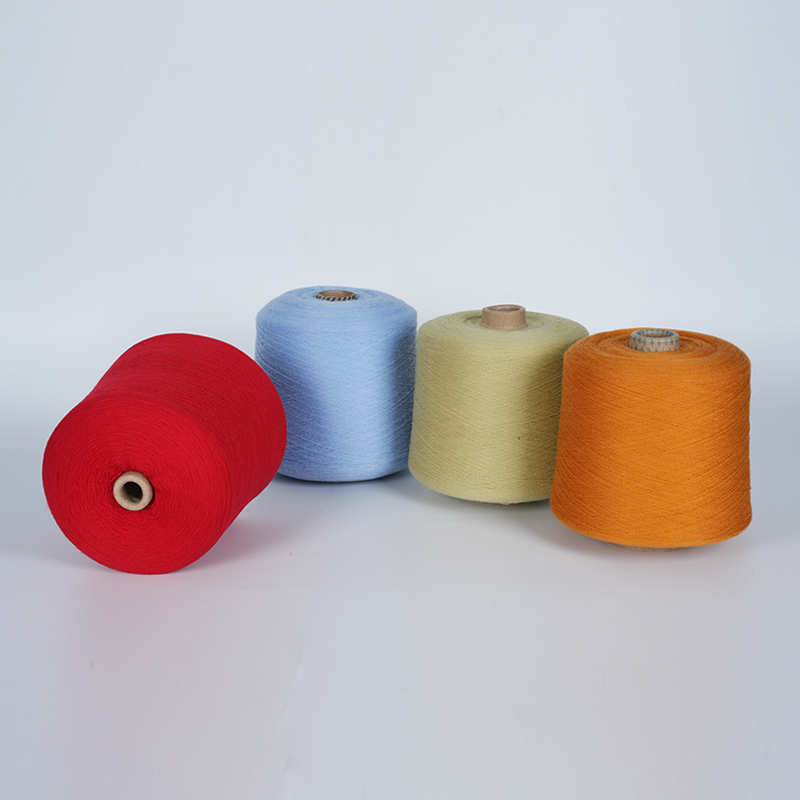 48Nm/2 Easy Care Premium Wool YarnA 2-ply, 19.5μm premium wool yarn with easy-care shape retention, suited to fine-gauge sweaters and next-to-skin knitwear.View Product →
A blend is not a shortcut; it corrects a weakness in a single fiber. Wool/nylon sock yarns typically use 10-25% nylon to improve abrasion resistance while keeping wool's warmth and moisture handling. Wool/acrylic blends lower cost and add durability, but a high acrylic share can reduce elasticity and make the fabric feel flatter; a wool-rich blend usually keeps more wool character. Wool/silk adds drape and slight sheen for lace and lightweight tops, while wool/cashmere protein blends target softness at a lower cost than pure cashmere.
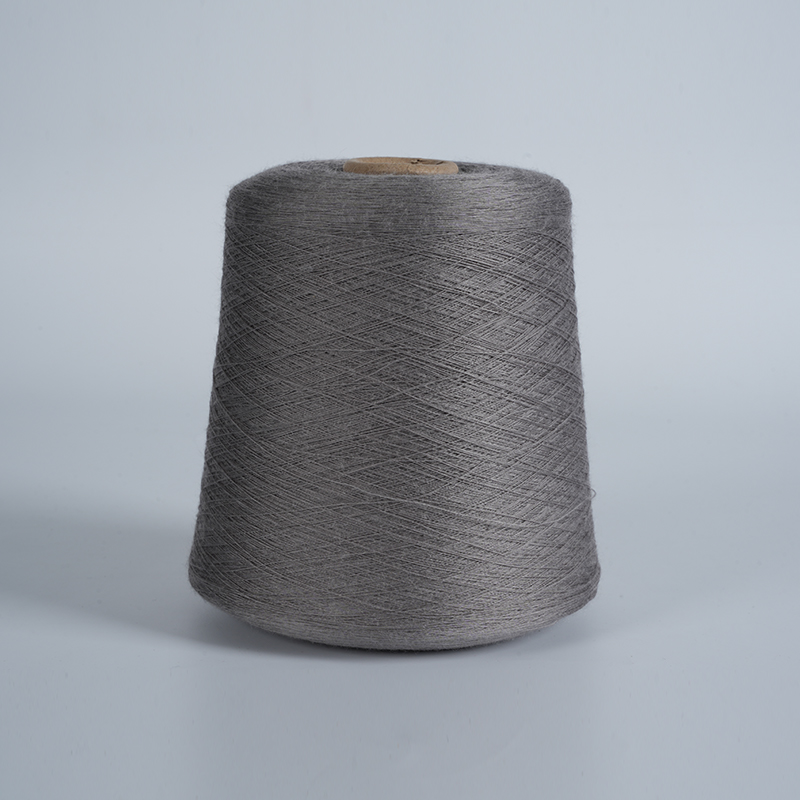
For lace and dressy accessories, a 60% wool / 40% silk blend at 70Nm/2 gives a fine, smooth yarn with enough body to open lace patterns after blocking. The silk content reduces wool's natural crimp, so the finished piece drapes more than a pure wool version of the same count. Keep the silk share moderate if the pattern needs memory and elasticity.
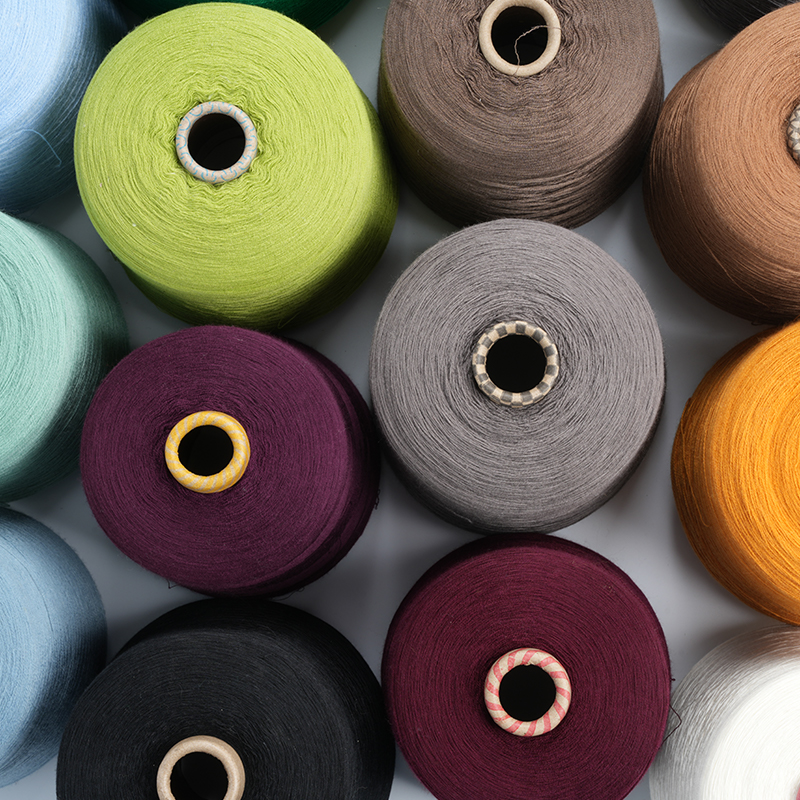 70Nm/2 Wool-Silk Blend YarnA fine wool-silk yarn for lightweight shawls, scarves and premium knitwear, where silk adds luster and drape while wool supplies warmth.View Product →
Easy-care wool is a chemical and mechanical result, not a breed. Superwash and Basolan treatments reduce or mask the scales on the fiber surface so wool can tolerate machine washing with less felting. The trade-off is that these treatments can change hand, elasticity, and stitch definition; some superwash wools feel smoother and less springy than untreated equivalents. Always knit a swatch in the same treatment and wash it the way the garment will be washed, then measure gauge again after drying.
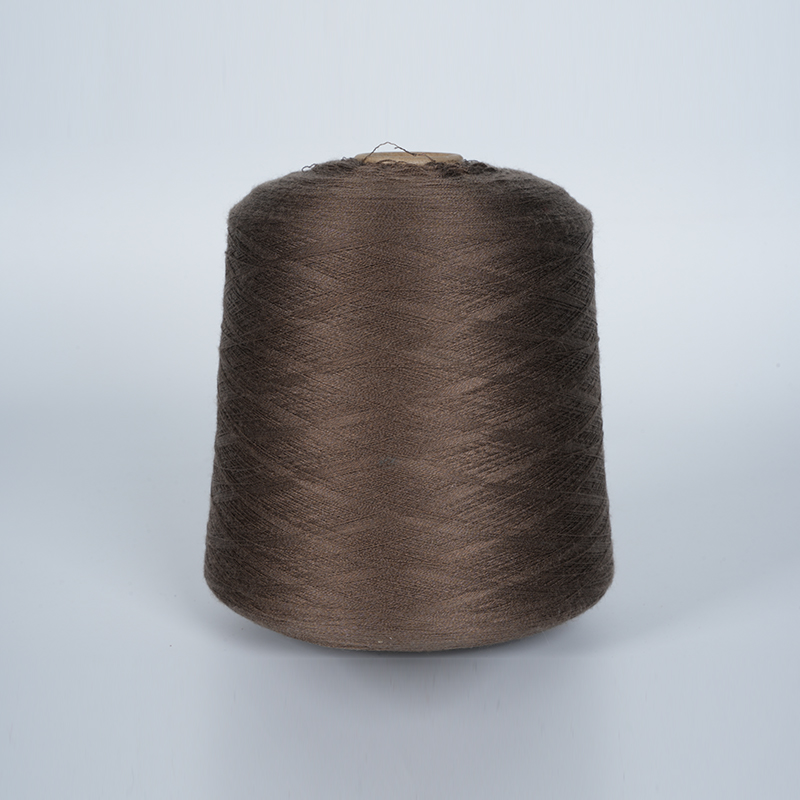
A treated 60Nm/2 wool may suit a fine machine-knit sweater, but if the pattern depends on aggressive blocking or a dense felted fabric, untreated wool is usually better. For a mill's view of treatment and count options, the premium wool yarn range shows how Basolan-treated, easy-care, and pure wool grades differ in specification.
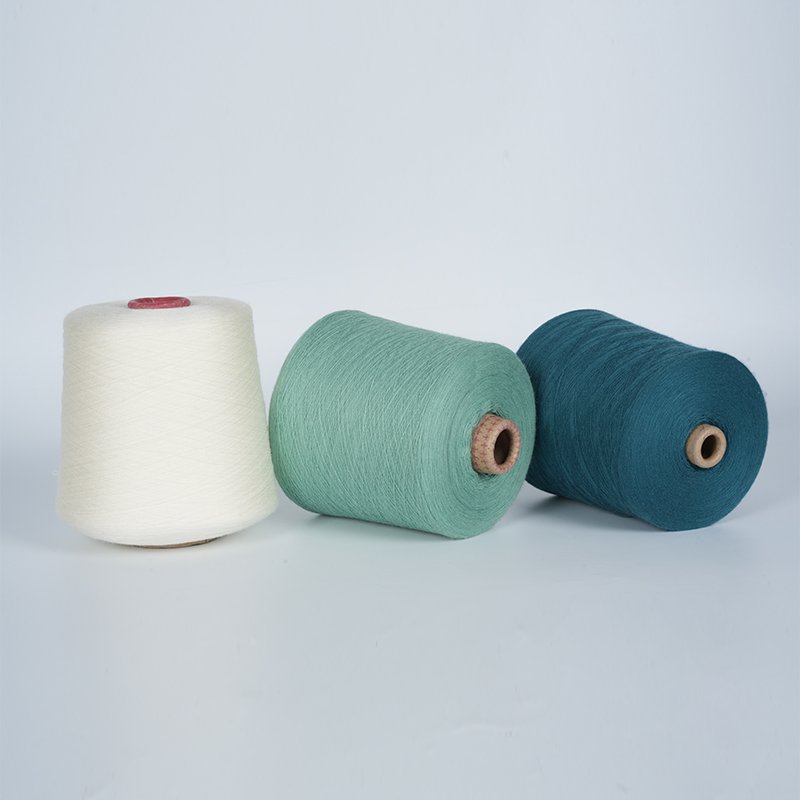 60Nm/2 Basolan Treated Premium Wool YarnA fine 18.5μm Basolan-treated wool yarn intended for premium machine-knit and hand-knit apparel, with added durability and pilling resistance.View Product →
For a mill's view of treatment and count options, the premium wool yarn range shows how Basolan-treated, easy-care, and pure wool grades differ in specification.
When a project brief is vague, work through these steps in order; each removes a category of risk before a swatch is knit.
Lot-to-lot variation is normal in natural fibers, so a sample cone from the actual production lot is more useful than a generic fiber description. Merino from one farm can be 17 microns and cloud-soft; merino from another can be 24 microns and crisp. Check measured yarn weight against the stated Nm count, confirm ply and twist direction, and ask for a wash test if the garment will be machine washed.
Dye lot is the second risk. Natural white wool may yellow slightly between lots, and dyed yarns can shift shade within the same color code. For a large garment, buy enough yarn from one dye lot and knit the swatch from that lot. A written specification covering fiber content, count, twist, treatment, and care is more reliable than a verbal description.
The most reliable wool type for knitting is the one that survives the wash test, keeps the gauge you planned, and feels appropriate at the wear point. Use breed and micron to narrow the field, yarn structure to control stitch definition and drape, and blends or treatments only where they solve a real problem. That approach turns a shelf of unfamiliar wool types into a short, defensible list.
 Contact Us
 Products
 Send An E-mail
No. 189 Pengfei Road, Industrial Park, Tudian Town, Tongxiang City, Zhejiang Province, China
 Mobile


 English
 Français
 Español
 عربى