Wool Weights Chart: Craft Categories, WPI and Spinning Counts Explained
It is a familiar scene at a sampling table: two cones of wool yarn, both marked 2/60, and a knitter who expects them to behave identically. One feels firmer and measures a shade thicker; the other gives noticeably more length per kilo. Neither label is wrong. The numbers are simply answering different questions, and a wool weights chart only helps once you know which numbering system you are reading.
The short answer: the most useful charts carry three languages at once, craft categories from 0 to 7, wraps per inch, and spinning counts such as Nm and tex. Match all three and a substitution becomes predictable. Read only one and you will keep meeting surprises at the gauge swatch.
Content
The table below lines up the craft categories most knitters already use with the industrial counts that mills quote on a spec sheet. Treat every figure as a range, not a boundary.
| Category | Common names | Wraps per inch | Gauge (sts / 10 cm) | Needle (mm) | Approx. Nm / tex |
|---|---|---|---|---|---|
| 0 | Lace, 2-ply, crochet thread | 30 and up | 32 to 36 | 1.5 to 2.25 | Nm 80-100 / 10-12 tex |
| 1 | Super fine, fingering, sock, 4-ply | 19 to 30 | 27 to 32 | 2.25 to 3.25 | Nm 45-60 / 17-22 tex |
| 2 | Fine, sport, 5-ply, baby | 12 to 18 | 23 to 26 | 3.25 to 3.75 | Nm 30-40 / 25-33 tex |
| 3 | Light, DK, 8-ply, light worsted | 11 to 15 | 21 to 24 | 3.75 to 4.5 | Nm 20-28 / 36-50 tex |
| 4 | Medium, worsted, aran, 10-ply | 9 to 12 | 16 to 20 | 4.5 to 5.5 | Nm 12-18 / 55-83 tex |
| 5 | Bulky, chunky, 12-ply | 7 to 9 | 12 to 15 | 5.5 to 8 | Nm 8-11 / 90-125 tex |
| 6 | Super bulky, roving, 14-16 ply | 5 to 7 | 7 to 11 | 8 to 12.75 | Nm 4-7 / 140-250 tex |
| 7 | Jumbo | 1 to 4 | 1 to 6 | 12.75 and up | Under Nm 4 / over 250 tex |
Two caveats before you use any of it. The ranges overlap by design: a heavy DK and a light worsted can both measure 12 wraps per inch and knit to gauge on the same needles, which is why yarn shop staff and mill technicians often disagree about the same cone. The count column, meanwhile, is a spinner's view rather than a knitter's. A 60Nm/2 yarn at roughly 33 tex sits close to the fingering and sport boundary, while a 28Nm/3 at about 107 tex behaves like a bulky even though the ply figure looks modest.
Wrap the yarn around a ruler for one inch, snug but not stretched, and count the strands. Repeat in three places and average the result, because a single reading is easily off by two wraps. Measure again after washing a swatch: wool blooms, and a yarn that read 13 wraps per inch at the cone may read 11 once relaxed. This is the single most reliable check for an unlabelled cone.
The eight-category numbering from 0 to 7 is a shared vocabulary, and it works well for communication. It is not a quality grade, and two category 3 yarns from different mills can differ by 20 percent in yardage. Use the number to find a starting point, then confirm with wraps per inch and a swatch.
Metric count (Nm) states how many 1,000-metre hanks weigh one kilogram, so a higher Nm means a finer yarn. A 60Nm/2 yarn is two plies of a 60Nm single, giving a resultant count of 30Nm, or 30,000 metres per kilo. The working conversions:
That last point catches people out. A "2/60" quoted in worsted count and a "2/60" quoted in Nm are not the same yarn; the worsted version is roughly 70 percent heavier per metre.
In Australia, New Zealand and the United Kingdom, 4-ply means fingering, 8-ply means DK, 10-ply means worsted and 12-ply means bulky. Those names are historical habits, not arithmetic. Doubling the ply number does not double the thickness, because the singles may be spun to a completely different fineness.
Compare 60Nm/2 with 60Nm/3. The second uses the same single but three plies, so the resultant count drops to 20Nm and the mass per metre rises by half. Both might be sold as "60s". If you are specifying yarn rather than buying it, always quote the resultant count, the ply structure and the fibre composition together. Our overview of yarn types and their uses goes deeper into how those structures suit different fabric weights.
A wool yarn can leave the spinning frame at 60Nm/2 and still knit like a different weight after treatment. Shrink-resistant processes such as Basolan treatment, easy-care resin finishes and steaming all change bulk, surface friction and relaxation behaviour. In practice the label count stays the same while the hand, the yardage and sometimes the recommended needle size shift. That is why a chart entry should be read as the yarn's starting point, not its finished behaviour.
For fine-gauge work the difference is easy to see in a 60Nm/2 treated yarn, where a softer, fuller hand can fill the stitches of a light sport gauge that an untreated yarn of the same count leaves slightly open.
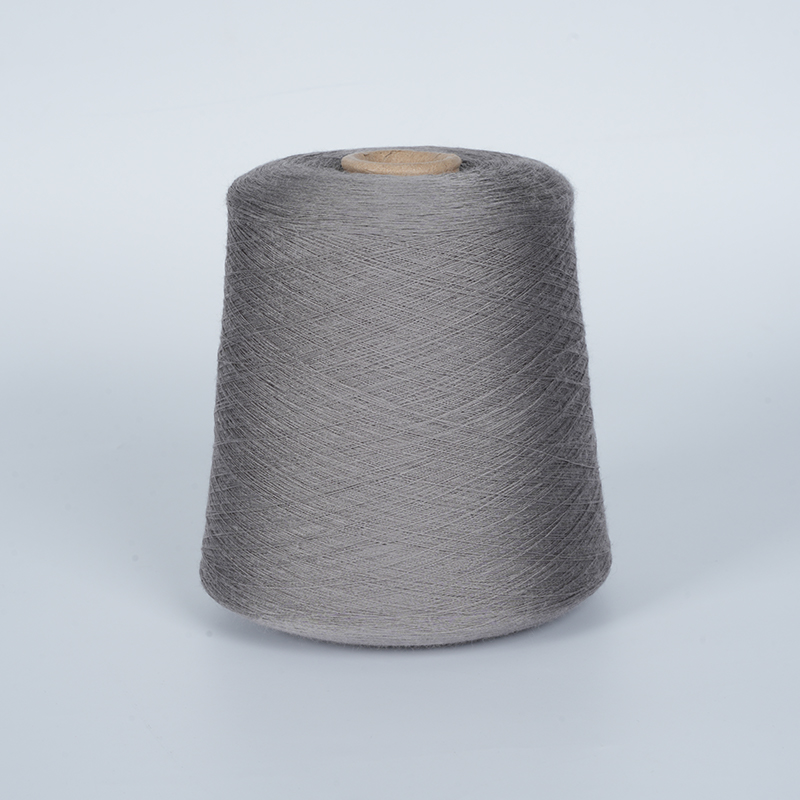
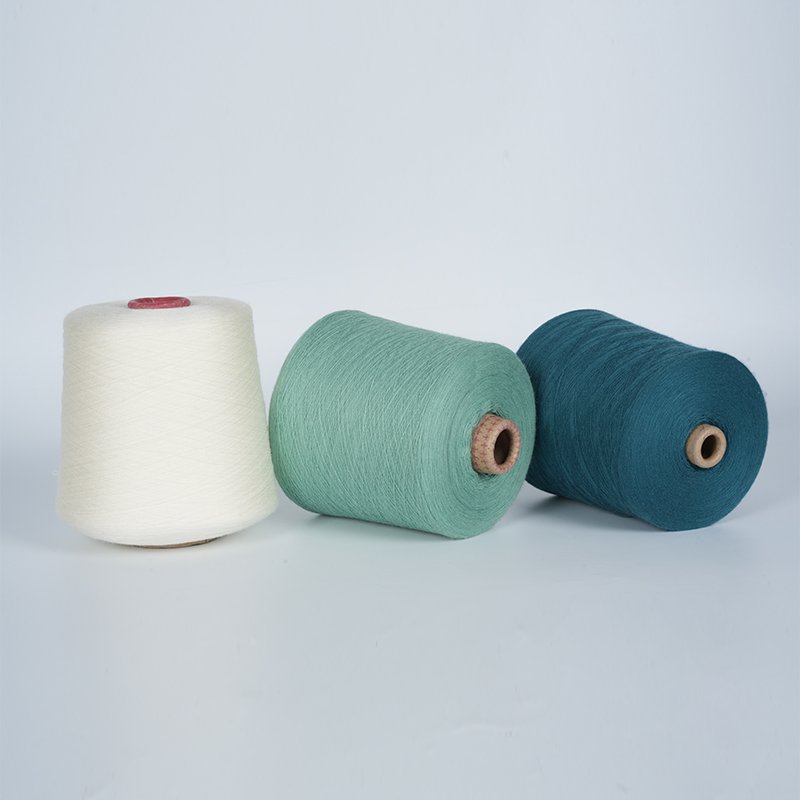 60Nm/2 Basolan Treated Premium Wool Yarn100% 80s Basolan Treated Premium Wool Yarn 18.5μmView Product →
Match on three data points and substitution stops being guesswork. Work in this order:
Fine counts are the hardest to compare by eye, since a fraction of a millimetre in diameter translates into a large swing in yardage. A 70Nm/2 blend of wool and silk, for example, reads as a light fingering but behaves with more elasticity and a cooler hand than the count alone suggests.
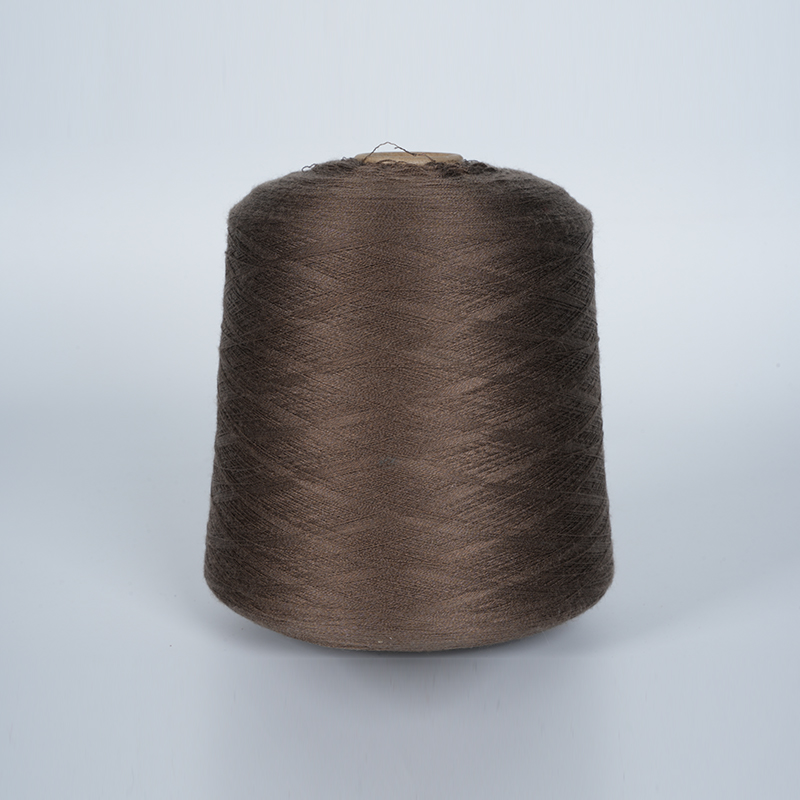
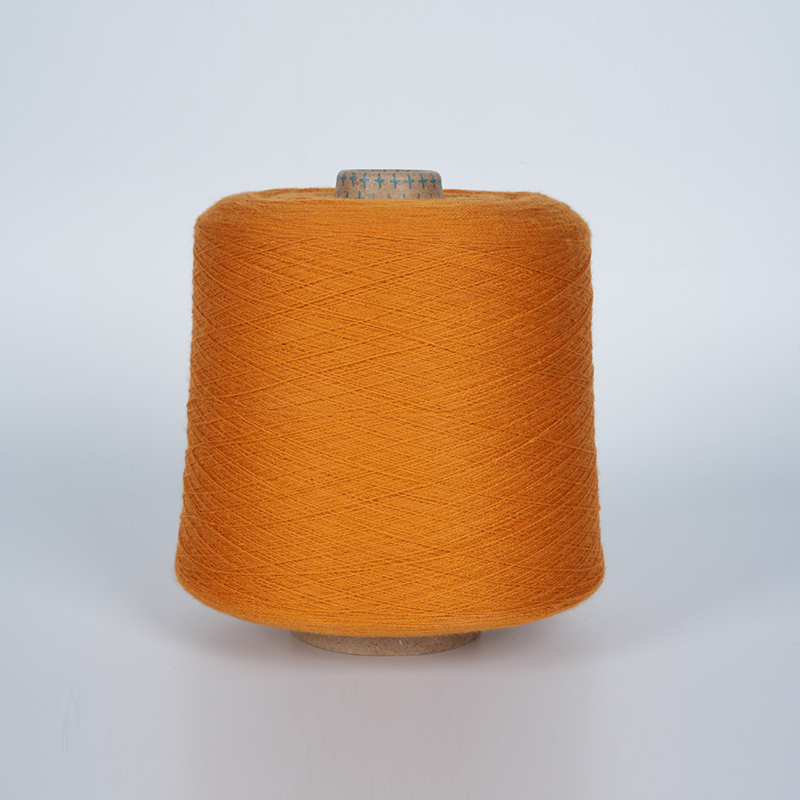 70Nm/2 90% Wool 10% Silk Blend YarnFor fine-count comparisons, this 90% wool / 10% silk blend offers softness, elasticity and subtle sheen in lightweight knitwear and weaving.View Product →
Charts resolve arguments; written specifications prevent them. When ordering, state the resultant count in Nm or tex, the ply structure, the exact fibre percentages, the treatment and the acceptable count tolerance. Most mills spin to within two or three percent of nominal, and a buyer who does not name a tolerance is accepting whatever the lot yields.
As a worsted wool yarn manufacturer working with counts from 28Nm/3 to 80Nm/2, we see both sides of this: a specification that names the resultant count and the tolerance saves a sampling round, and it makes a first lot and a repeat lot genuinely interchangeable.
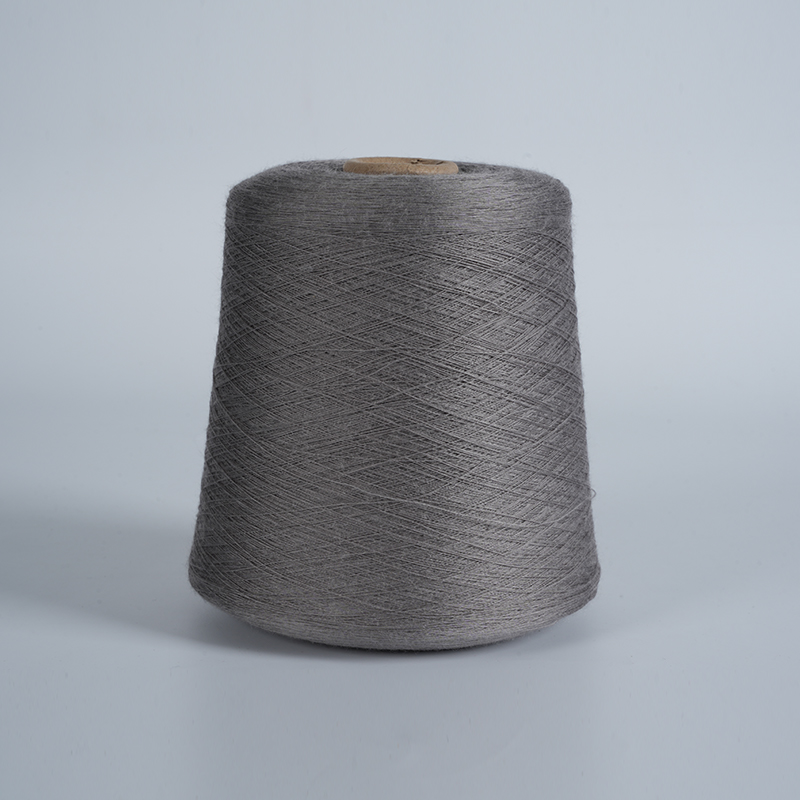
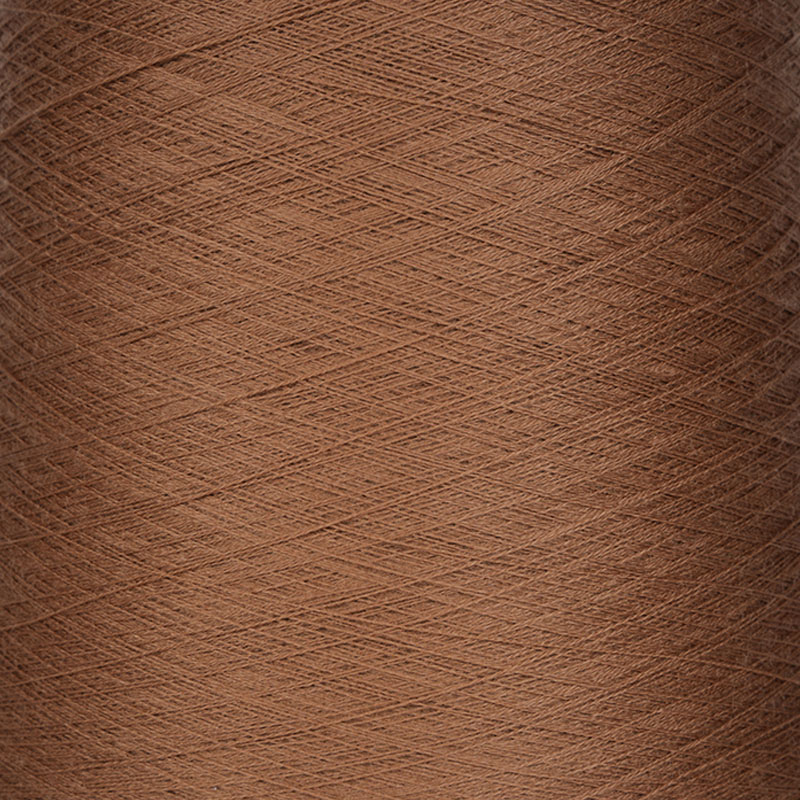 60Nm/3 Wool Tencel Acrylic Blend YarnA 20% wool, 30% Tencel and 50% anti-pilling acrylic blend for soft, durable knitwear and home textiles with good drape and shape retention.View Product →
A wool weights chart is a translation tool, not a rulebook. Keep the three columns in view, confirm the fine print with wraps per inch, and put the resultant count in writing when you order. The cone in front of you will then behave the way the paperwork promised, and the next substitution will take minutes rather than a full round of swatches.
 Contact Us
 Products
 Send An E-mail
No. 189 Pengfei Road, Industrial Park, Tudian Town, Tongxiang City, Zhejiang Province, China
 Mobile


 English
 Français
 Español
 عربى